


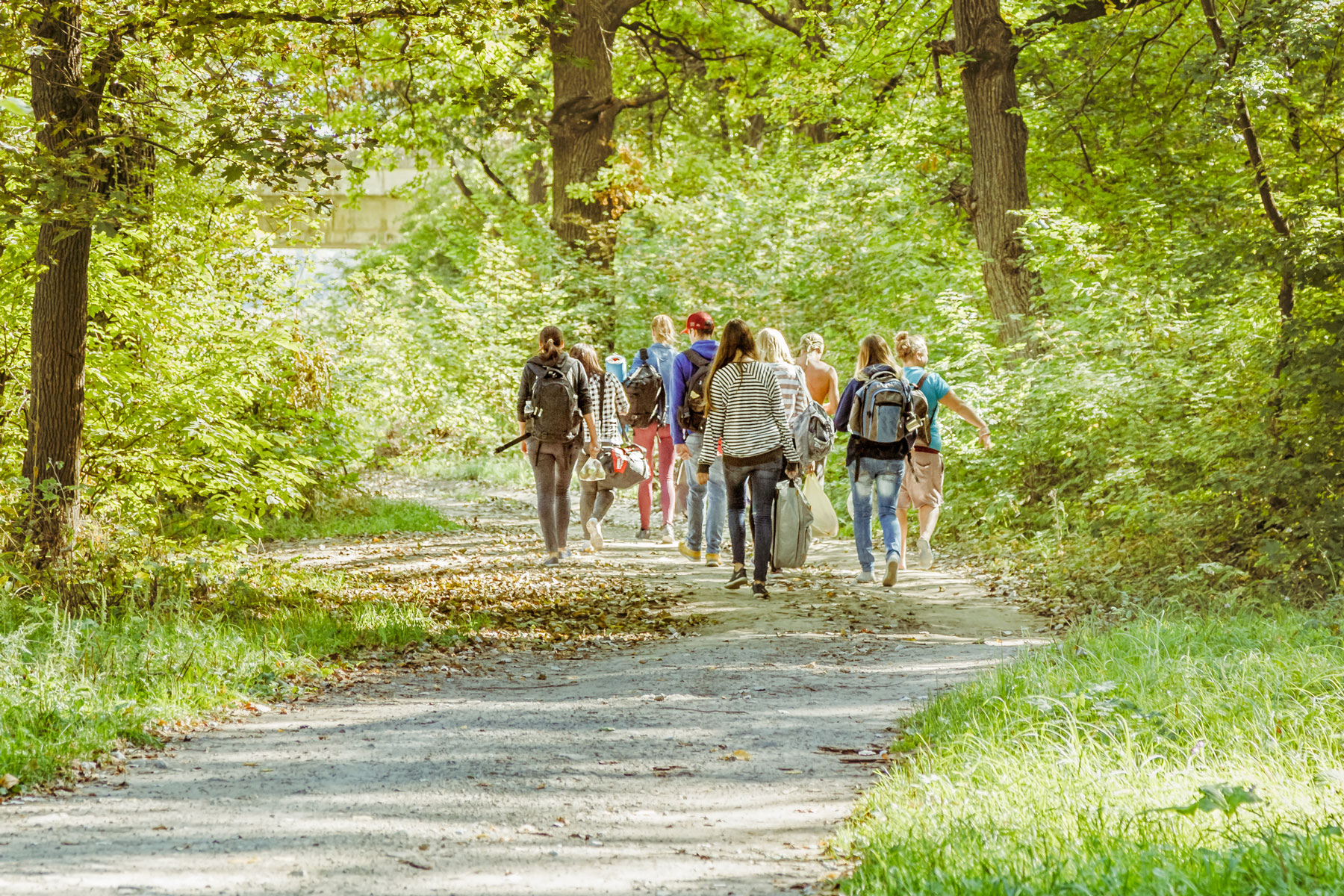

Niagara Falls may be defined by its famous waterfalls, but some of the region’s most rewarding experiences begin after you move beyond the busiest viewpoints.
- Niagara Glen: Descend Into the Niagara Gorge
- Dufferin Islands: Find Quiet Just Beyond the Horseshoe Falls
- Niagara Apothecary: Step Inside a 19th-Century Pharmacy
- Queenston Heights: Look Beyond Brock’s Monument
- Laura Secord Homestead: Hear the Story Where It Began
- St. Catharines Museum and Welland Canals Centre: Watch a Ship Climb the Escarpment
- Ball’s Falls Conservation Area: Come for More Than the Waterfall
- Explore Niagara’s Smaller Wineries and Tasting Rooms
- How to Build These Hidden Gems Into a Niagara Falls Trip
- A Different Side of Niagara Before Summer Ends
- Frequently Asked Questions
Late summer is especially well suited to exploring this quieter side of Niagara. Forest trails are still green, historic sites remain in their main visitor season, vineyards are approaching harvest, and warm evenings make it easy to combine an outdoor excursion with dinner and nightlife back in the Falls.
CliftonHill.com covers Niagara Falls from the perspective of a visitor destination built around attractions, dining, entertainment and trip planning. That makes one principle especially useful when planning a longer stay: Niagara is better when you give yourself room to explore beyond a single district.
These eight places reveal a different side of the region, from the floor of the Niagara Gorge to a working shipping canal, a restored 19th-century pharmacy and the vineyards beyond Niagara-on-the-Lake.
Niagara Glen: Descend Into the Niagara Gorge
The Niagara Glen feels remarkably removed from the city above it.
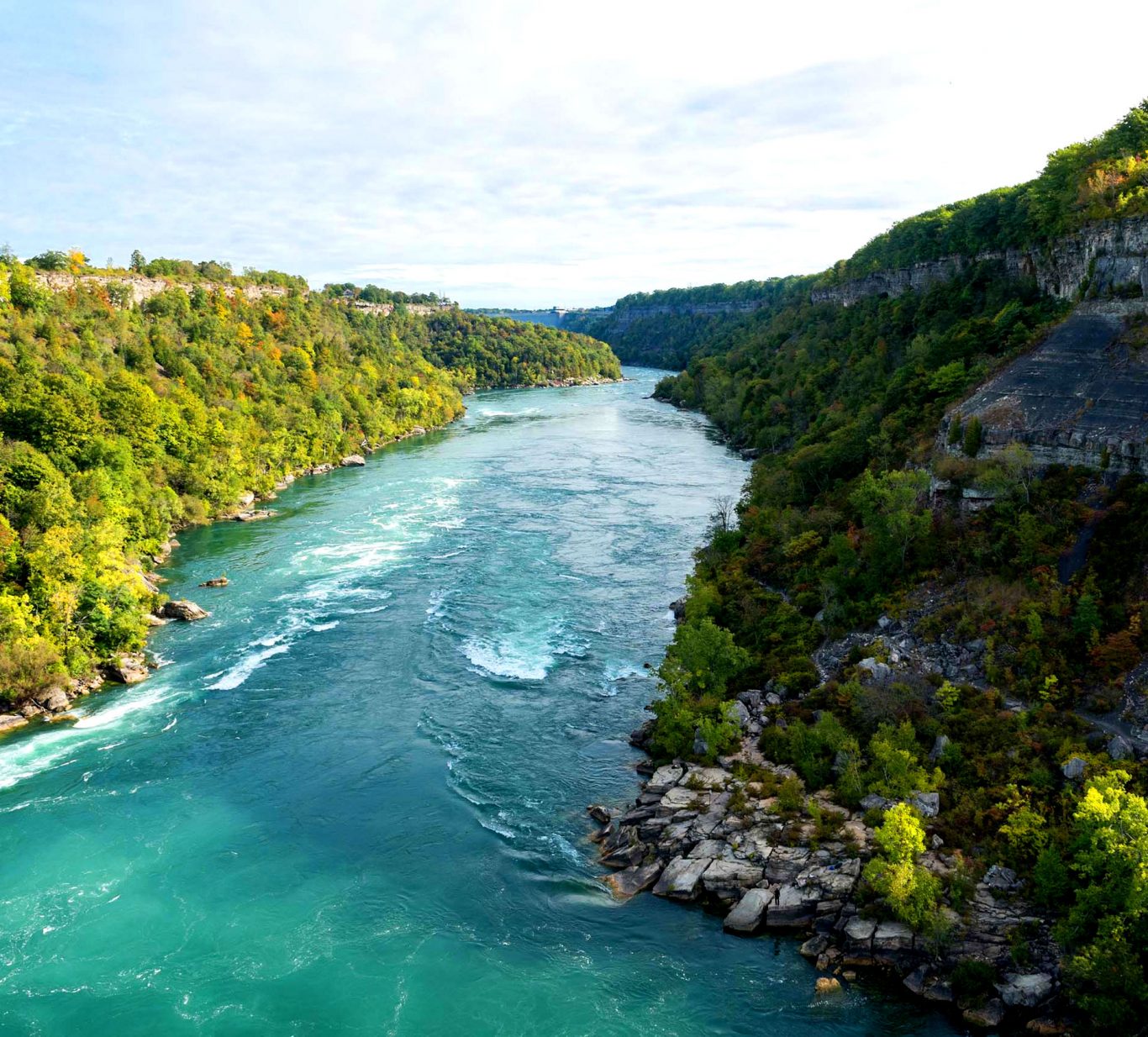
Stairways descend from the Niagara Parkway into a pocket of Carolinian forest, where roughly four kilometres of rugged trails wind among ancient geological formations, large boulders and the fast-moving Niagara River. Niagara Parks classifies most trails as moderate, although the terrain can include steep sections, uneven footing and slippery rock.
Rather than treating the Glen as a quick scenic stop, allow enough time to experience the landscape properly. The Niagara Glen Nature Centre offers visitor information and educational programming, along with a free Indigenous audio tour exploring connections between the land, nature and Indigenous knowledge. Guided naturalist hikes are also offered during the summer season.
For 2026, Niagara Parks is also hosting Wilderness Weekends at the Niagara Glen through October 25, with programming that can include hikes, conservation activities, photography and bouldering experiences.
Best for: hikers, geology enthusiasts and travellers looking for one of Niagara’s most immersive natural experiences.
Before you go: Wear supportive footwear, carry water and check the latest Niagara Parks trail notices before descending. Maintenance can temporarily affect individual trail sections.
Dufferin Islands: Find Quiet Just Beyond the Horseshoe Falls
You do not have to travel far from the main Niagara Falls corridor to find a quieter landscape.
Dufferin Islands covers approximately 10 acres just south of the Horseshoe Falls. Small islands are connected by winding paths and wooden footbridges, creating an easy place to slow down among water, mature trees and wildlife. Niagara Parks keeps the area open year-round; access is self-guided, with paid parking available nearby.
The setting also illustrates an important part of Niagara Parks’ broader role along the river: popular public spaces must balance visitor access with ecological protection. A multi-year Dufferin Islands enhancement initiative has focused on habitat protection, erosion, infrastructure and accessibility improvements.
Late afternoon works particularly well here, when the light softens and the park offers a welcome contrast to the activity closer to the Falls.
Best for: easy walks, picnics, couples and families who want nature without committing to a rugged hike.
Niagara Apothecary: Step Inside a 19th-Century Pharmacy
On Queen Street in Niagara-on-the-Lake, one storefront offers a surprisingly detailed window into everyday life more than a century ago.
The Niagara Apothecary is an authentic restoration of an 1869 pharmacy connected to a local practice that operated from 1820 until 1964. The Ontario Heritage Foundation acquired and restored the property, while the Ontario College of Pharmacists took responsibility for recreating its professional pharmacy setting and continues to operate the museum through an agreement with the Ontario Heritage Trust.
Inside, period cabinetry, bottles, equipment and pharmaceutical displays make the museum feel less like a conventional gallery and more like a preserved working space.
Timing matters. The Apothecary is seasonal: its published 2026 operating information lists daily hours through the Labour Day long weekend, followed by weekend openings until the Thanksgiving long weekend.
That makes the final weeks of summer one of the easiest times to include it in a Niagara-on-the-Lake day trip.
Best for: history lovers, architecture enthusiasts and anyone who enjoys small museums with highly specific stories.
Queenston Heights: Look Beyond Brock’s Monument
Queenston Heights is often reduced to a photograph of Brock Monument, but the surrounding landscape deserves more time.
The park sits high on the Niagara Escarpment and combines sweeping green space with one of the most important War of 1812 landscapes in the region. The grounds include the battlefield, the Landscape of Nations Memorial and the southern terminus of the Bruce Trail. Niagara Parks also maintains recreational facilities and picnic areas here.
Brock’s Monument itself rises 56 metres above the site and commemorates Major-General Sir Isaac Brock and Lieutenant-Colonel John Macdonell. The national historic site is operated by the Friends of Fort George.
There is an important 2026 planning note: Parks Canada has been carrying out rehabilitation work on Brock’s Monument, and the Friends of Fort George advises that operating hours are being adjusted during the 2026 season. Its current visitor page recommends confirming opening details rather than assuming monument access or climbs will be available.
Fortunately, the park itself remains worthwhile even when the monument interior is unavailable.
Best for: history, picnics, Niagara River views and travellers combining several stops along the Niagara Parkway.
Laura Secord Homestead: Hear the Story Where It Began
A few minutes from Queenston Heights, the Laura Secord Homestead brings one of the best-known stories of the War of 1812 back to a human scale.
Laura Secord lived in this Queenston home from 1803 to 1835. In 1813, she left from here on the journey that would ultimately cover approximately 32 kilometres as she sought to warn British forces of an impending American attack. Today, costumed interpreters lead visitors through the restored home and tell the story within the rooms and landscape where it began.
The site is seasonal, generally operating from May through October, making late summer an ideal time to visit.
There is also a useful 2026 value consideration for families and younger travellers. Through September 7, 2026, Niagara Parks is participating in the Canada Strong Pass initiative at its heritage sites, including Laura Secord Homestead, with free admission for visitors 17 and under and reduced admission for ages 18 to 24.
Pair the Homestead with Queenston Heights rather than making two separate trips. Together they create a much fuller picture of this stretch of the Niagara River corridor.
Best for: Canadian history, families and visitors exploring the Niagara Parkway north of the Falls.
St. Catharines Museum and Welland Canals Centre: Watch a Ship Climb the Escarpment
One of Niagara’s most fascinating engineering experiences happens well away from the brink of the Falls.
The St. Catharines Museum and Welland Canals Centre overlooks Lock 3 of the Welland Canal, where lake freighters and other vessels pass between Lake Ontario and Lake Erie as part of the Great Lakes–St. Lawrence Seaway.
The outdoor viewing platform gives visitors a close look at ships locking through, while indoor exhibits explain the history, engineering and people behind successive generations of Welland canals. The museum also explores broader St. Catharines history and currently features changing exhibitions alongside its permanent galleries.
Admission to the museum is by donation. It is open daily from 9 a.m. to 5 p.m., and during July and August it remains open until 8 p.m. on Tuesdays, Wednesdays and Thursdays.
Ships cannot be guaranteed: arrival information is normally posted only shortly before vessels reach Lock 3 and schedules can change. Even without a ship passing through, the exhibits make the stop worthwhile.
Best for: families, engineering enthusiasts, photographers and anyone fascinated by ships or transportation history.
Ball’s Falls Conservation Area: Come for More Than the Waterfall
Ball’s Falls earns its name from the Upper and Lower Falls of Twenty Mile Creek, but late-summer visitors should know something before setting out: water volume is seasonal.
The Niagara Peninsula Conservation Authority notes that Twenty Mile Creek is rain-fed, so the waterfalls can change dramatically through the year. By late summer and fall, they may narrow to a much lighter flow than visitors see in spring.
That does not make Ball’s Falls a poor late-summer choice. It simply changes the reason to visit.
The conservation area preserves a former 19th-century industrial settlement with the original Ball family home, an operating flour mill, church, blacksmith shop, lime kiln and other historic structures. Trails lead through the Twenty Valley landscape and connect with the Bruce Trail.
The conservation area is currently open daily, with admission fees applying. Visitors should remain on designated trails; swimming and paddling are prohibited around the waterfall areas.
Best for: hiking, photography, Niagara Escarpment scenery and travellers who enjoy nature and heritage in the same stop.
Explore Niagara’s Smaller Wineries and Tasting Rooms
Niagara’s wine country is not one experience.
Beyond the large destination estates are smaller wineries and small-batch tasting rooms where visitors can build an afternoon around a few carefully chosen stops rather than trying to cover an entire wine route.
Niagara-on-the-Lake alone now promotes more than 40 estates and small-batch tasting rooms, shaped by the area’s position between Lake Ontario and the Niagara Escarpment. Tastings range from simple flights to cellar visits, food pairings and vineyard experiences.
Late summer is an especially interesting time to drive through wine country because vineyards are moving toward harvest. Instead of choosing solely by brand recognition, look at current tasting formats and reserve experiences that match your interests. A small producer, unusual varietal or seated tasting can be more memorable than trying to visit as many wineries as possible.
Reservations are wise for structured experiences, particularly on weekends.
Best for: couples, food-and-wine travellers and repeat Niagara visitors looking for a slower afternoon.
How to Build These Hidden Gems Into a Niagara Falls Trip
The best approach is not to attempt all eight in one day.
For a nature-focused outing, combine the Niagara Glen with Dufferin Islands. For history, travel north on the Niagara Parkway to Queenston Heights and Laura Secord Homestead before continuing toward Niagara-on-the-Lake. Ball’s Falls and the smaller wineries of the Niagara Escarpment work naturally together on another day, while the St. Catharines Museum makes an excellent weather-flexible stop.
Then return to the Falls for the evening.
That rhythm is one of the advantages of staying in Niagara Falls: a day can move from forest trails, heritage villages or vineyard roads back to the illuminated Falls and the energy of Clifton Hill without requiring a separate trip.
A Different Side of Niagara Before Summer Ends
Niagara Falls deserves its reputation, but it is not the whole destination.
The surrounding region contains layers of Carolinian forest, Indigenous and settler history, engineering, agriculture, conservation and small communities that are easy to miss on a short visit. Late summer provides a particularly good opportunity to explore them while seasonal heritage attractions are still operating and outdoor conditions remain inviting.
The goal is not simply to find places with fewer people. It is to understand more of the place you came to see.
Leave enough time for that, and Niagara begins to feel much larger than the view from the brink.
Frequently Asked Questions
What are some hidden gems near Niagara Falls, Ontario?
Niagara Glen, Dufferin Islands, Queenston Heights, Laura Secord Homestead, the Niagara Apothecary, Ball’s Falls Conservation Area and the St. Catharines Museum and Welland Canals Centre are all worthwhile options beyond the main Falls attractions.
Where can I go hiking near Niagara Falls?
The Niagara Glen is one of the strongest hiking choices close to the Falls, with approximately four kilometres of rugged trails through the Niagara Gorge. Visitors should check current trail conditions before setting out and wear appropriate footwear.
Are there free or low-cost hidden gems in Niagara Falls?
Dufferin Islands can be explored without an attraction ticket, although paid parking applies. The St. Catharines Museum operates on admission by donation. Several Niagara Parkway parks and scenic areas can also be explored without purchasing an attraction admission.
Is Ball’s Falls worth visiting in late summer?
Yes, but visitors should not expect spring water levels. Twenty Mile Creek is rain-fed, and the Niagara Peninsula Conservation Authority notes that the waterfalls can become considerably lighter in late summer. The trails, conservation landscape and historic village remain reasons to visit.
Can you climb Brock’s Monument in 2026?
Access should be confirmed before visiting. Parks Canada has been completing rehabilitation work, and the Friends of Fort George says its 2026 operating schedule is being adjusted around that work. Queenston Heights Park and its surrounding historic landscape remain worth visiting regardless of monument access.