


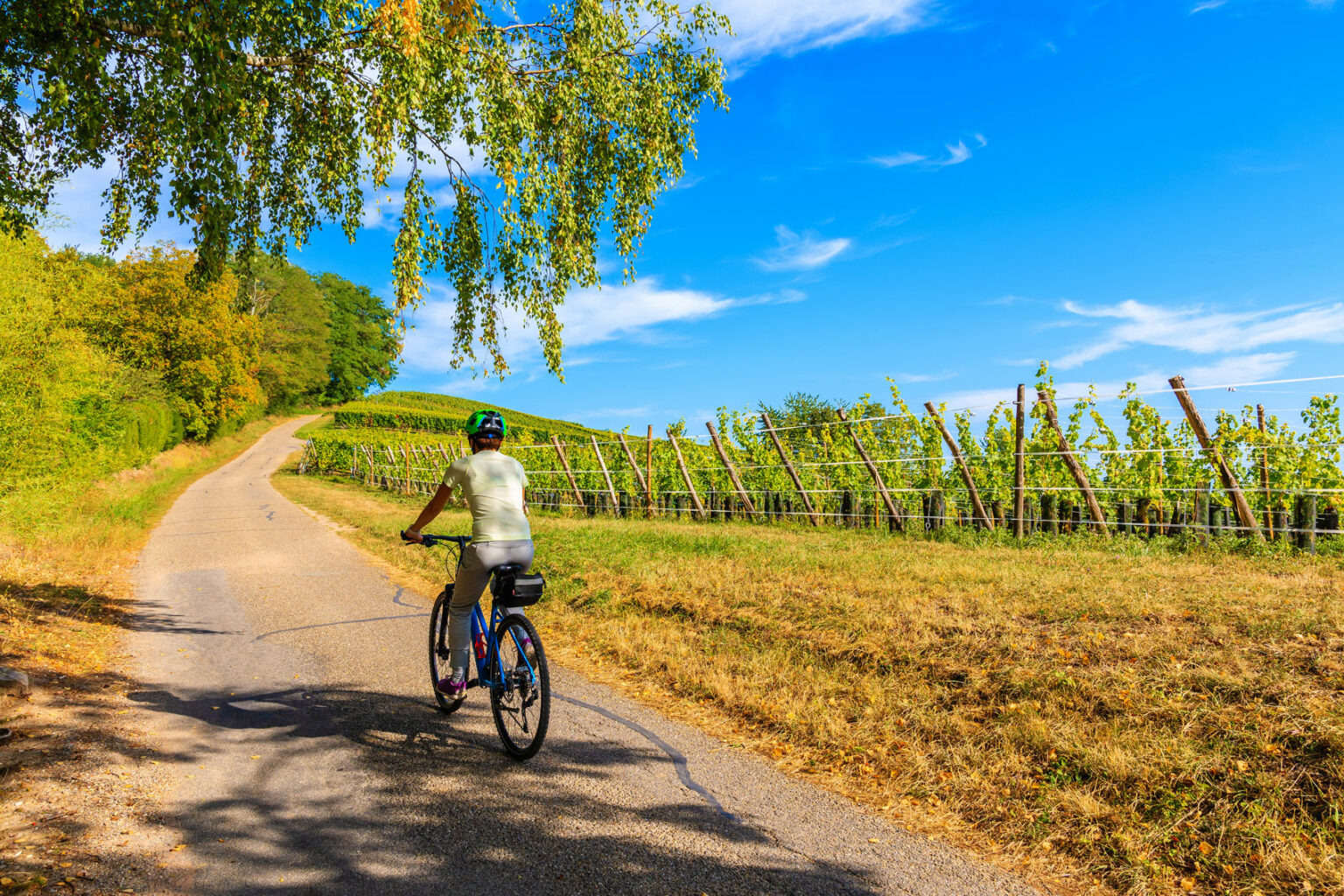

Fall is one of the most rewarding times to explore Niagara Falls by bicycle. The heat of midsummer begins to ease, the Niagara River corridor takes on its autumn colour, and cyclists can cover far more of the region than they would on foot while still being close to the landscape.
- Best Fall Bike Routes in Niagara
- Niagara Falls to Queenston: The Best All-Around Fall Ride
- Niagara Falls to Chippawa and Black Creek: The Quieter River Ride
- Niagara-on-the-Lake to Queenston: Best for Classic Fall Scenery
- Friendship Recreation Trail: An Easy Fall Ride Near Lake Erie
- Welland Canal and the Greater Niagara Circle Route
- When Is the Best Time for Fall Cycling in Niagara Falls?
- Starting a Bike Ride Near Clifton Hill
- What to Bring on a Fall Bike Ride
- Build a Fall Day Around the Ride
- Bike Rentals Made Easy
- Practical Notes for Your Visit FAQ’s
- What is the best bike trail in Niagara Falls?
- What is the best Niagara Falls bike route for fall colours?
- Is the Niagara River Recreation Trail suitable for beginners?
- Can you ride a bicycle in the Niagara Glen?
- Can you mountain bike on the Bruce Trail in Niagara?
- Is September or October better for cycling in Niagara Falls?
- How long should a Niagara Falls cycling trip be?
- Can bicycles be taken on Niagara Falls transit?
- What is the biggest mistake when cycling in Niagara Falls?
The main route to know is the Niagara River Recreation Trail, a paved cycling and walking corridor following the Canadian side of the Niagara River between Fort Erie and Niagara-on-the-Lake. Niagara Parks lists the trail at approximately 53 kilometres and divides it into four major sections, making it easy to plan anything from a short morning ride to a longer day on the bike.
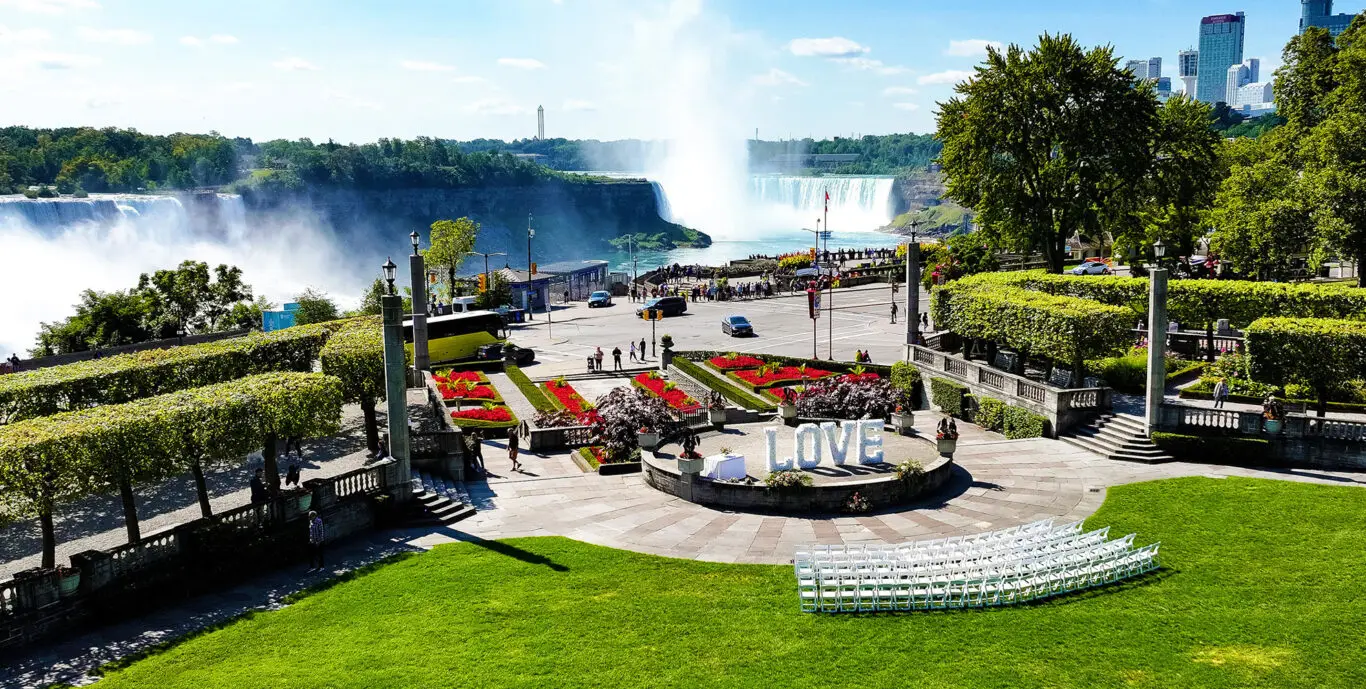
For visitors staying around the Falls, Clifton Hill also provides a practical central starting point. The Niagara Parkway and riverfront are at the bottom of the street, placing the Falls, Niagara Gorge and the north and south sections of the recreation trail within reach.
Best Fall Bike Routes in Niagara
| Route | Best For | Ride Character |
|---|---|---|
| Niagara Falls to Queenston | First-time visitors and scenery | Falls, Niagara Gorge, river views and autumn forest |
| Niagara Falls to Chippawa & Black Creek | Relaxed riding | Quieter riverfront, parks and long paved stretches |
| Niagara-on-the-Lake to Queenston | Fall colour and countryside | Trees, heritage landscapes and agricultural scenery |
| Friendship Recreation Trail | Families and easy riding | Level former rail corridor near Lake Erie |
| Greater Niagara Circle Route | Experienced distance riders | Niagara River, Lake Erie, Welland Canal and Lake Ontario |
Niagara Falls to Queenston: The Best All-Around Fall Ride
For travellers who have time for only one Niagara cycling route, heading north from the Falls toward Queenston delivers the strongest mix of scenery and recognizable landmarks.
From the central Falls area, the route follows the Niagara River north alongside the Niagara Gorge. The landscape quickly changes from the busy tourism district to a more wooded river corridor, with opportunities to pause near the Whirlpool, Niagara Glen and other viewpoints before continuing toward Queenston.
Autumn adds another layer to this stretch. The steep gorge walls become increasingly colourful as September gives way to October, while the Niagara River remains visible through openings in the trees.
Niagara Parks identifies Queenston to the Whirlpool Aero Car as one of the four principal sections of the Niagara River Recreation Trail. Large portions of the northern route use paved trails separated from motor traffic.
Make Queenston Heights the Turnaround Point
Queenston Heights makes a natural destination for a longer ride. The elevated parkland sits above the Niagara River and is easy to identify from a distance by Brock’s Monument, which rises prominently over the Niagara Escarpment.
Cyclists who do not want a long return journey can turn around earlier at the Whirlpool or Niagara Glen area. This makes the route easy to adjust according to daylight, temperature and fitness level.
One important distinction: the paved recreation trail passes the Niagara Glen, but the trails descending into the Niagara Glen are for hiking, not cycling. Niagara Parks specifically prohibits cycling within the Glen. Lock the bike above the gorge if adding a hike.
Niagara Falls to Chippawa and Black Creek: The Quieter River Ride
Cyclists looking for a less urban experience can head south from the Falls.
The southern Niagara Parkway gradually leaves the busiest part of Niagara Falls behind, following the upper Niagara River toward Chippawa and eventually Black Creek. This section has broad river views, mature trees, picnic areas and long stretches where the pace feels considerably removed from the central tourism district.
Niagara Parks identifies Chippawa to Black Creek and Black Creek to Fort Erie as two of the Niagara River Recreation Trail’s four main cycling sections. The southern Parkway is also relatively level, making it appealing for recreational riders who prefer distance without significant climbing.
For a shorter outing, ride from the Falls toward Chippawa and turn back when comfortable. Stronger riders can continue farther south and build a substantially longer route.
This part of the corridor can be especially attractive later in the afternoon, although shorter fall daylight should be factored into the return trip.
Niagara-on-the-Lake to Queenston: Best for Classic Fall Scenery
At the opposite end of the Niagara River corridor, the section between Niagara-on-the-Lake and Queenston offers a different version of the region.
Here, the ride passes a landscape shaped by mature trees, farms, orchards, historic properties and nearby vineyards. The river remains the geographic anchor, but the atmosphere feels more rural than the section immediately surrounding Niagara Falls.
Niagara Parks identifies Niagara-on-the-Lake to Queenston as another of the trail’s four primary sections and estimates that each main section of the river trail can take roughly one to two hours at a leisurely pace.
This is a good choice for riders who have already explored the Falls and want to see how quickly Niagara’s landscape changes beyond the main tourism district.
Wine country is also close at hand, although cyclists planning winery stops should treat the ride as a cycling excursion first. Food stops, farm markets and non-alcoholic refreshments make far more sense when there is still distance left to cover.
Friendship Recreation Trail: An Easy Fall Ride Near Lake Erie
The Friendship Recreation Trail provides another option for families and casual cyclists willing to explore farther south in Niagara.
The Fort Erie portion stretches for approximately 16 kilometres through farmland, neighbourhoods, watersheds and villages. Much of the trail follows a former railway corridor, resulting in a relatively level and smooth ride. It also connects with the Niagara River Recreation Trail and forms part of the larger Greater Niagara Circle Route.
The setting is noticeably different from the Falls. Instead of gorge scenery and major attractions, the appeal comes from an easy pace, leafy corridors and the Lake Erie side of Niagara.
It is a useful alternative for families who want the cycling itself to be the main activity rather than sightseeing in the busiest tourism areas.
Welland Canal and the Greater Niagara Circle Route
More experienced cyclists can think much bigger.
The Greater Niagara Circle Route extends for more than 140 kilometres through the region, connecting the Niagara River corridor with Lake Erie, the Welland Canal, Lake Ontario and rural Niagara. Niagara Region describes it as a mostly paved network linking urban centres, agricultural landscapes, waterfronts and the Niagara Escarpment.
The full route combines several major trail systems, including sections along the Niagara River, Friendship Trail, Welland Canal corridor and Waterfront Trail. It is a serious regional ride rather than a casual afternoon loop.
Most visitors do not need to complete the entire circuit. Choosing one section can be more rewarding.
The Welland Canal corridor, for example, offers a completely different cycling landscape from the Falls. Riders travel beside the shipping channel and may see large Great Lakes vessels moving through the canal and lock system. The mix of water, industrial engineering and fall vegetation makes this one of Niagara’s more distinctive rides.
When Is the Best Time for Fall Cycling in Niagara Falls?
September and October are the key months.
Early September can still feel like late summer, with longer daylight and predominantly green landscapes. Colour typically becomes more noticeable as the month progresses, while October brings a stronger autumn character to the Niagara Gorge, Niagara Parkway and surrounding countryside.
Exact foliage timing changes from year to year depending on temperature, rainfall and wind, so planning a cycling trip around one precise “peak colour” date is difficult.

September has the advantage of longer days. October often delivers stronger colour but requires more attention to temperature, daylight and changing weather.
Niagara Parks continues to promote the Niagara River Recreation Trail as a fall activity, particularly for its river and gorge landscapes.
Starting a Bike Ride Near Clifton Hill
Visitors staying in the central tourism district do not need to drive somewhere else before every ride.
The base of Clifton Hill meets the Niagara Parkway, placing the river corridor close to hotels, restaurants and attractions. From here, riders can turn north toward the Rainbow Bridge, Whirlpool and Queenston or head south toward the Horseshoe Falls, Dufferin Islands and Chippawa.
The immediate Falls area is also one of the busiest parts of the entire route. Pedestrians, sightseeing traffic and tour activity can make the central riverfront crowded, particularly on weekends. Slowing down or walking a bike through congested sections can make the first few minutes of the trip easier.
An early start helps riders clear the busiest section before pedestrian traffic builds.
After the ride, returning to Clifton Hill also puts restaurants and entertainment within a compact area rather than requiring another trip across the city.
What to Bring on a Fall Bike Ride
Fall conditions reward a little more preparation than a midsummer ride.
A light outer layer is useful because temperatures along the river can feel cooler once the sun drops behind the trees. Gloves become increasingly valuable later in October, particularly on longer rides.
Carry water even on cool days, along with a basic repair kit, phone and portable charger. A front and rear light are sensible for afternoon rides because autumn daylight disappears quickly.
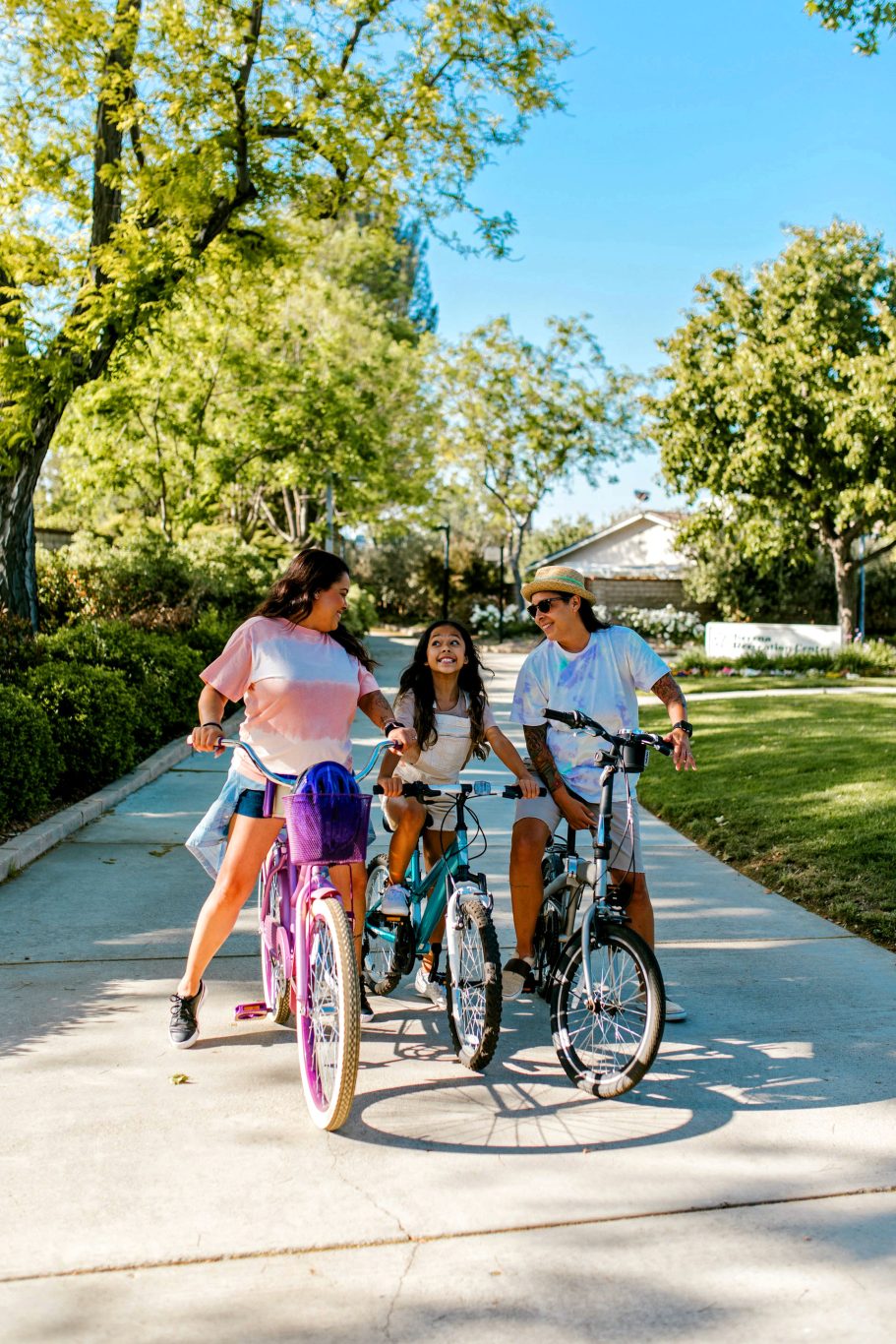
Leaves can also hide uneven pavement, small branches or wet surfaces. Extra braking distance is worthwhile after rain and on heavily shaded sections of trail.
Niagara Parks provides bicycle racks at its facilities, and its cycling information also states that bicycles can be transported on WEGO and the Falls Incline Railway, giving riders additional flexibility when planning one-way or mixed cycling-and-transit days.
Before a longer ride, check current trail and construction notices. Maintenance, special events and infrastructure work can occasionally create temporary detours or access changes along the Niagara Parkway and recreation trail.
Build a Fall Day Around the Ride
Cycling does not have to occupy the entire day.
A morning ride north along the Niagara Gorge can be followed by lunch and an afternoon around Clifton Hill. Riders heading south can return to the Falls before sunset, while those exploring Niagara-on-the-Lake or the Welland Canal may want to treat the cycling route as the main event.
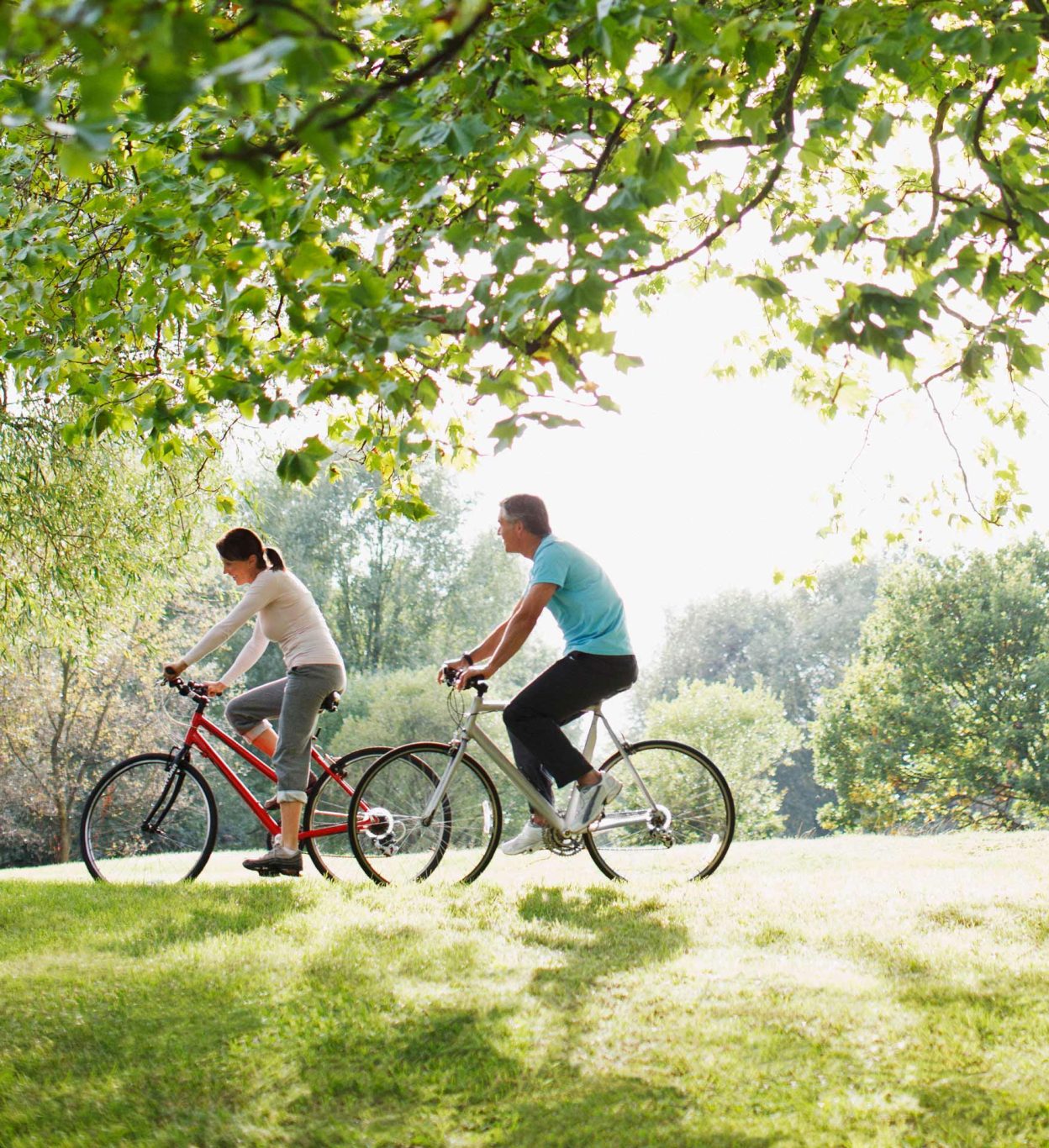
That flexibility is one of Niagara’s strengths as a cycling destination. A single trail network connects waterfall views, gorge landscapes, historic communities, agricultural countryside and two Great Lakes without requiring every visitor to tackle the complete route.
For most travellers, the simplest plan is also the strongest: start with the Niagara River Recreation Trail, choose one section that matches the available time, and leave enough room to stop when the scenery warrants it.
Bike Rentals Made Easy
Don’t have a bike? No problem. Niagara Falls and Niagara-on-the-Lake have several rental options for visitors who want to explore the region without bringing their own equipment. Traditional bikes and e-bikes are available, and some operators also provide helmets, route advice, maps and guided experiences.
- Zoom Leisure Bikes: Based in Niagara-on-the-Lake, Zoom offers hybrid bikes, cruisers, e-bikes and family-friendly options. Half-day, full-day and longer rentals are available, along with delivery and self-guided touring options.
- Bikes Niagara: Located in Niagara Falls, Bikes Niagara offers e-bike rentals and tours, making it a convenient option for visitors who want to start their ride closer to the Falls.
- Snap E Bike: A Niagara Falls e-bike rental option specializing in comfortable, long-range electric bikes. Rentals include a helmet, lock, route maps and bike fitting, making it well suited to exploring longer sections of the Niagara River corridor.
- Grape Escape: Offers conventional bike rentals, power-assisted bikes and tandem bicycles in Niagara-on-the-Lake, as well as guided bicycle tours through wine country.
Electric bikes can be particularly useful in Niagara. While much of the Niagara River Recreation Trail is relatively easy riding, an e-bike makes longer distances and elevation changes around the Niagara Escarpment much more manageable.
For a fall visit, reserve ahead when possible and confirm seasonal hours before setting out, particularly later in October when some tourism businesses begin reducing their operating schedules.
Practical Notes for Your Visit FAQ’s
What is the best bike trail in Niagara Falls?
The Niagara River Recreation Trail is the best all-around choice. It follows the Canadian side of the Niagara River for approximately 53 kilometres between Fort Erie and Niagara-on-the-Lake and can be divided into shorter rides.
What is the best Niagara Falls bike route for fall colours?
The route north from Niagara Falls toward the Whirlpool, Niagara Glen and Queenston is particularly scenic because the trail follows the wooded Niagara Gorge. The Niagara-on-the-Lake-to-Queenston section is another strong choice for a more rural autumn landscape.
Is the Niagara River Recreation Trail suitable for beginners?
Yes. Much of the route is paved and suitable for recreational cyclists. Beginners are better served by choosing a shorter out-and-back section rather than attempting the full river corridor.
Can you ride a bicycle in the Niagara Glen?
No. Cycling is prohibited on the trails inside the Niagara Glen. Cyclists can ride the Niagara River Recreation Trail above the gorge and park their bikes before entering the Glen on foot.
Can you mountain bike on the Bruce Trail in Niagara?
Generally, no. The Bruce Trail Conservancy does not permit bicycles on the main Bruce Trail or its side trails except where specific permission is posted or where the route follows a road.
Is September or October better for cycling in Niagara Falls?
September generally offers warmer temperatures and more daylight. October tends to offer stronger fall colour. Riders interested mainly in foliage may favour October, while those planning longer rides may prefer September.
How long should a Niagara Falls cycling trip be?
Two to four hours is enough for a scenic recreational ride with stops. Stronger cyclists can make a full day of the Niagara River corridor, while the 140-kilometre Greater Niagara Circle Route is better suited to experienced distance riders or a multi-day itinerary.
Can bicycles be taken on Niagara Falls transit?
Niagara Parks states that bicycles can be transported on the WEGO bus system and the Falls Incline Railway, which can help cyclists combine riding with transit. Check current operating details before relying on transit for the return trip.
What is the biggest mistake when cycling in Niagara Falls?
Confusing hiking trails with cycling trails is one of the most important mistakes to avoid. The Niagara Glen and most of the Bruce Trail are not cycling routes. Riders should stay on designated paved or multi-use cycling trails and check current trail notices before setting out.