


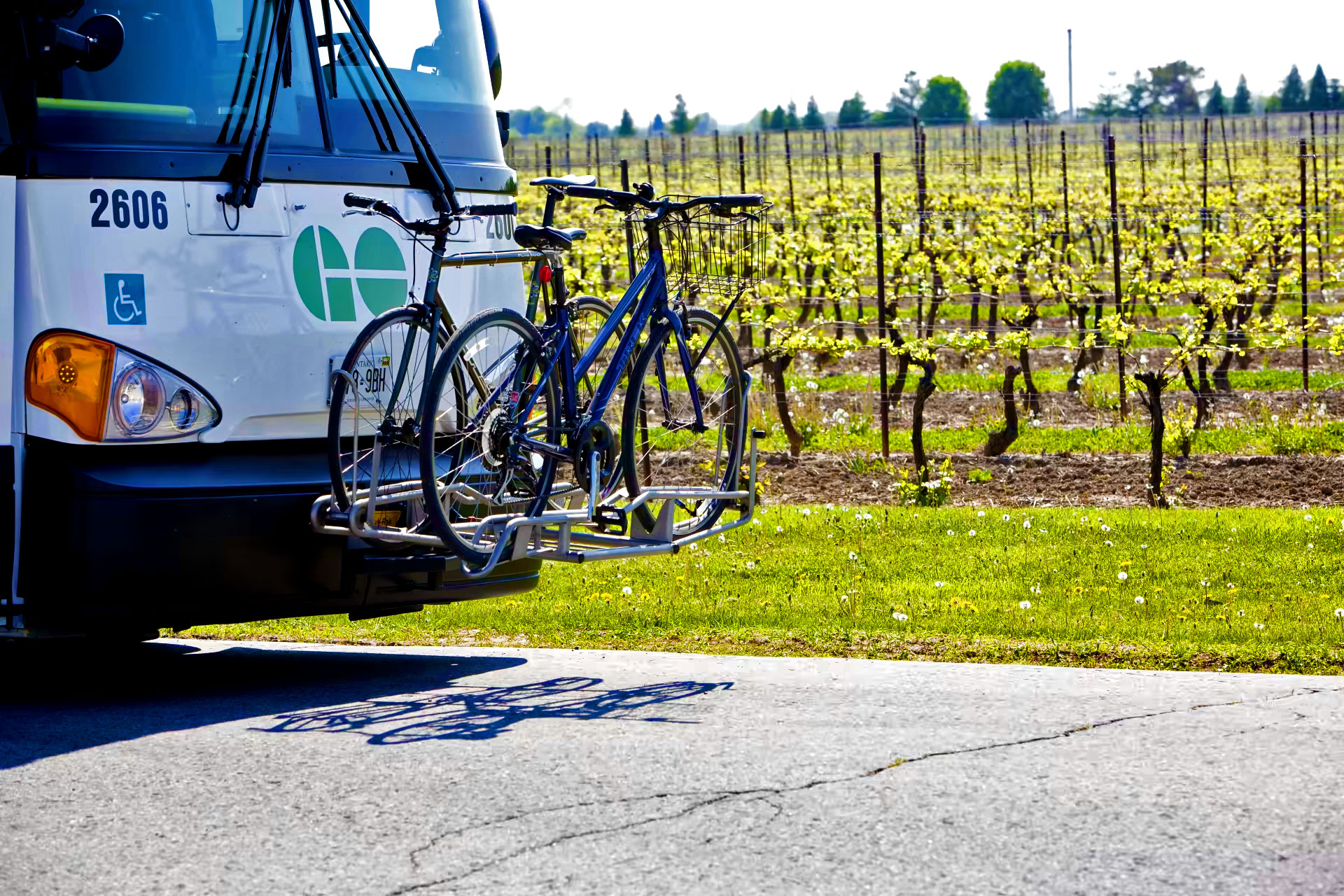

A car-free summer trip to Niagara Falls offers a different perspective on one of Canada’s most visited destinations—one built around rail travel, riverfront trails, and the freedom to explore beyond the main viewpoints.
- Niagara Falls Beyond the Main Viewpoint
- Niagara Falls at a Glance
- Why Summer Works So Well
- Getting There by GO Transit
- Exploring Niagara at a Different Pace
- Where Clifton Hill Fits Into the Experience
- Planning Your Summer Visit
- Niagara’s Best Trails
- The Appeal of a Car-Free Niagara Falls Trip
- Practical Notes for Your Visit
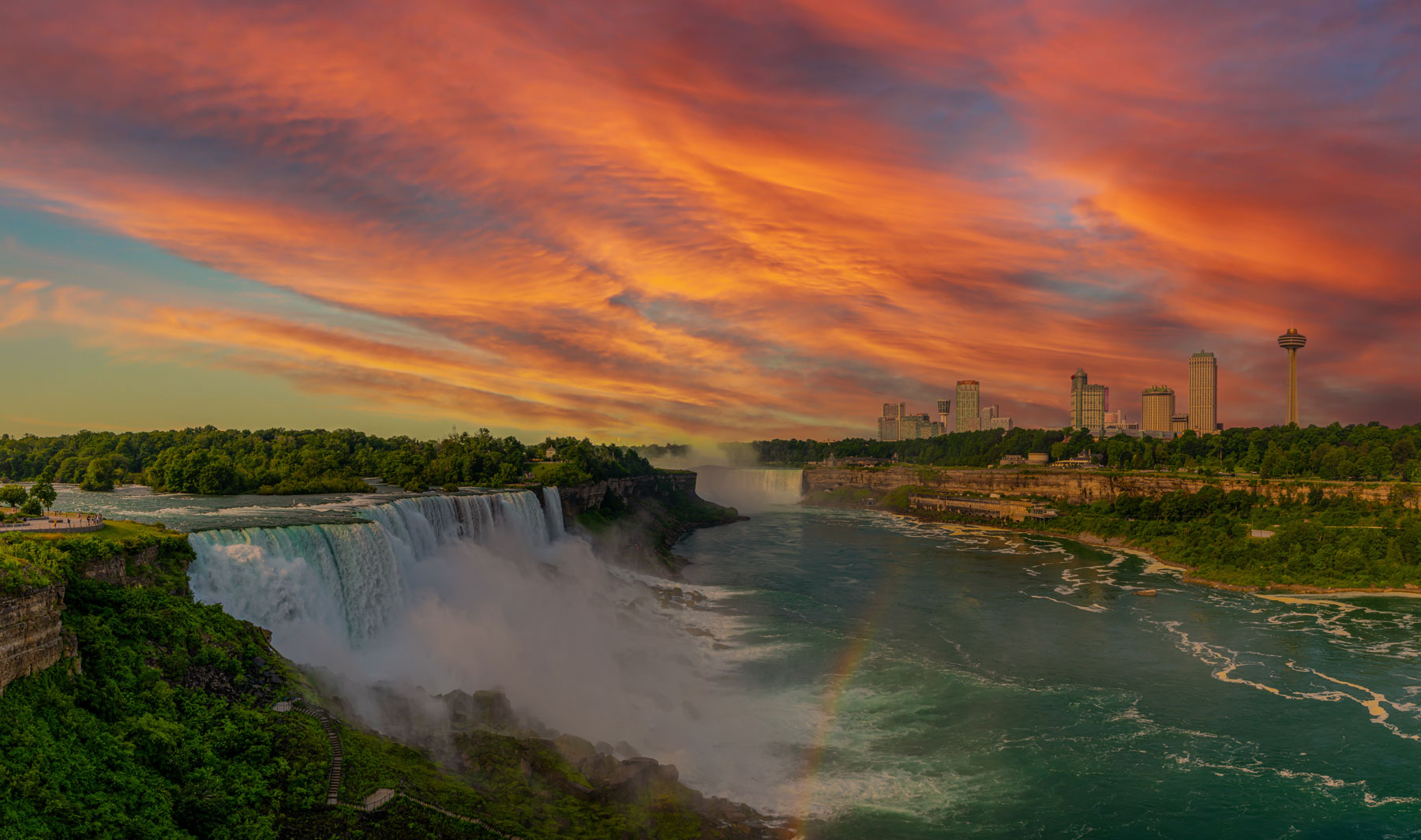
Every summer, thousands of visitors arrive in Niagara Falls with the same goal: see the waterfalls. Most gravitate toward the observation areas overlooking Horseshoe Falls before spending the rest of the day navigating busy roads, searching for parking, or moving between attractions by car.
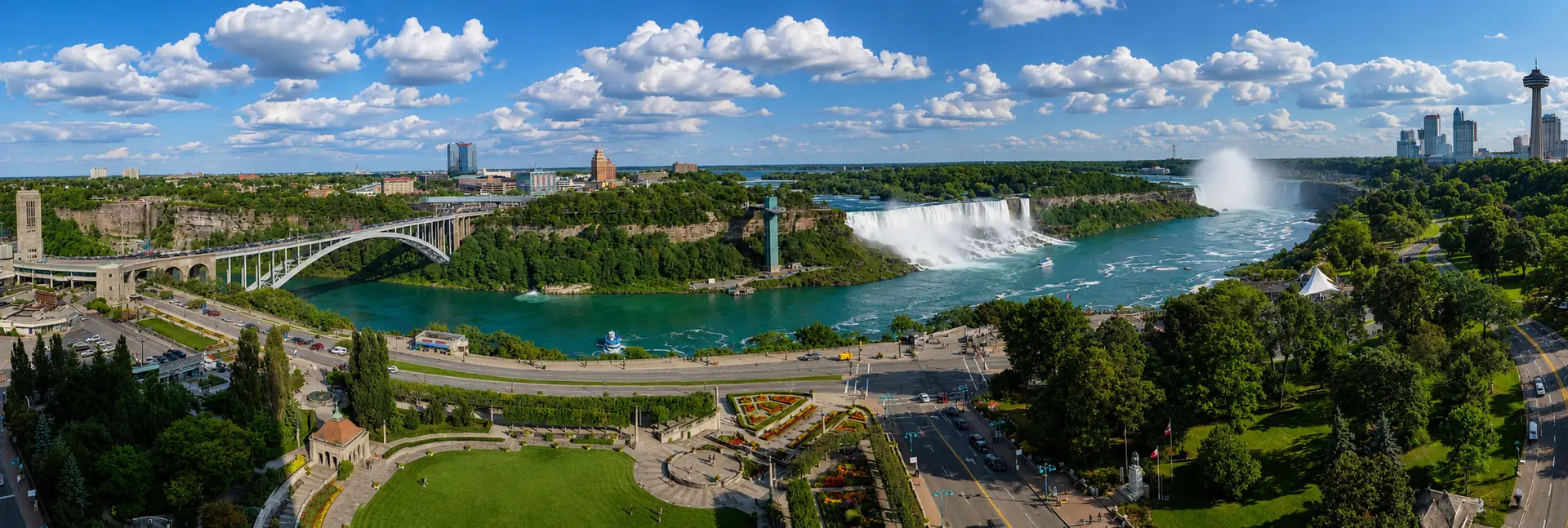
Yet one of the most rewarding ways to experience Niagara Falls begins before the waterfalls come into view. Arriving by GO Transit with a bicycle transforms the destination from a single attraction into a connected landscape of riverfront trails, parks, viewpoints, entertainment districts, and neighborhoods that are often overlooked by visitors focused solely on the Falls.
For travelers coming from Toronto and the Greater Golden Horseshoe, the combination of train travel and cycling offers a practical and surprisingly relaxed way to experience Niagara during its busiest season.
Niagara Falls Beyond the Main Viewpoint
The waterfalls remain the defining attraction, but Niagara Falls is larger and more varied than many first-time visitors expect.
The city sits along the Niagara River, where a network of trails, parkland, gardens, and scenic roads extends well beyond the tourism core. Summer visitors often discover that some of the region’s most enjoyable moments occur away from the railings overlooking the Falls.
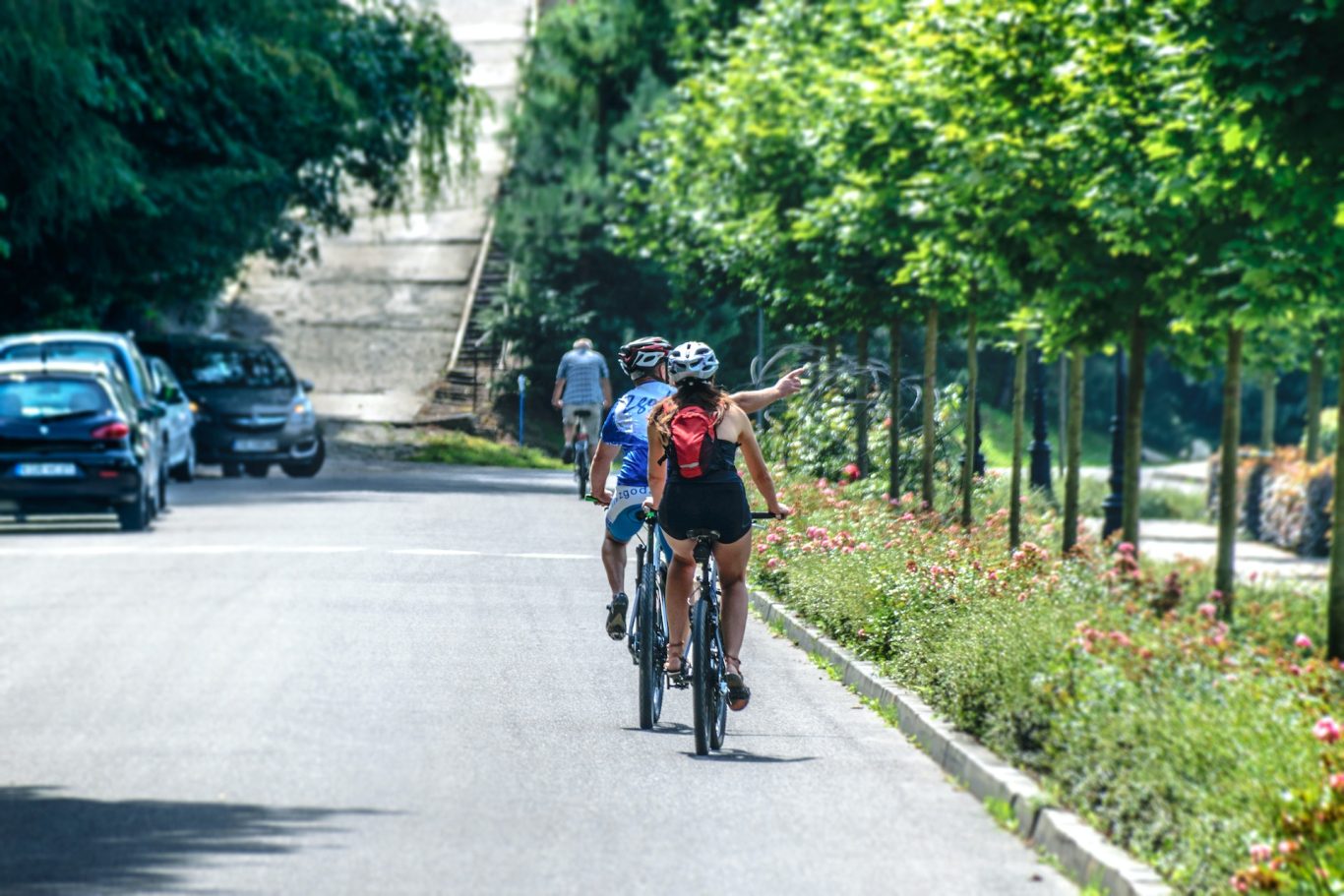
The Niagara River Recreation Trail follows the river through a changing landscape of parks, gorge viewpoints, historic sites, and quieter stretches of shoreline. Cyclists can travel at their own pace, stopping when something catches their attention rather than following a fixed itinerary.
That flexibility is part of the appeal. A ride might begin near the Falls and gradually evolve into an afternoon exploring the Niagara Parkway or heading north toward Queenston and Niagara-on-the-Lake.
Niagara Falls at a Glance
| Best For | Weekend trips, cycling, family travel |
|---|---|
| Ideal Length | One day to two nights |
| Best Season | Summer |
| Main Arrival Point | Niagara Falls GO Station |
| Key Cycling Route | Niagara River Recreation Trail |
| Best Car-Free Areas | Fallsview, Queen Victoria Park, Clifton Hill |
Why Summer Works So Well
Summer is when Niagara Falls feels most alive.
Patios fill throughout the afternoon. Parks and trails remain active into the evening. Extended daylight hours allow visitors to combine cycling, sightseeing, dining, and evening attractions without feeling rushed.
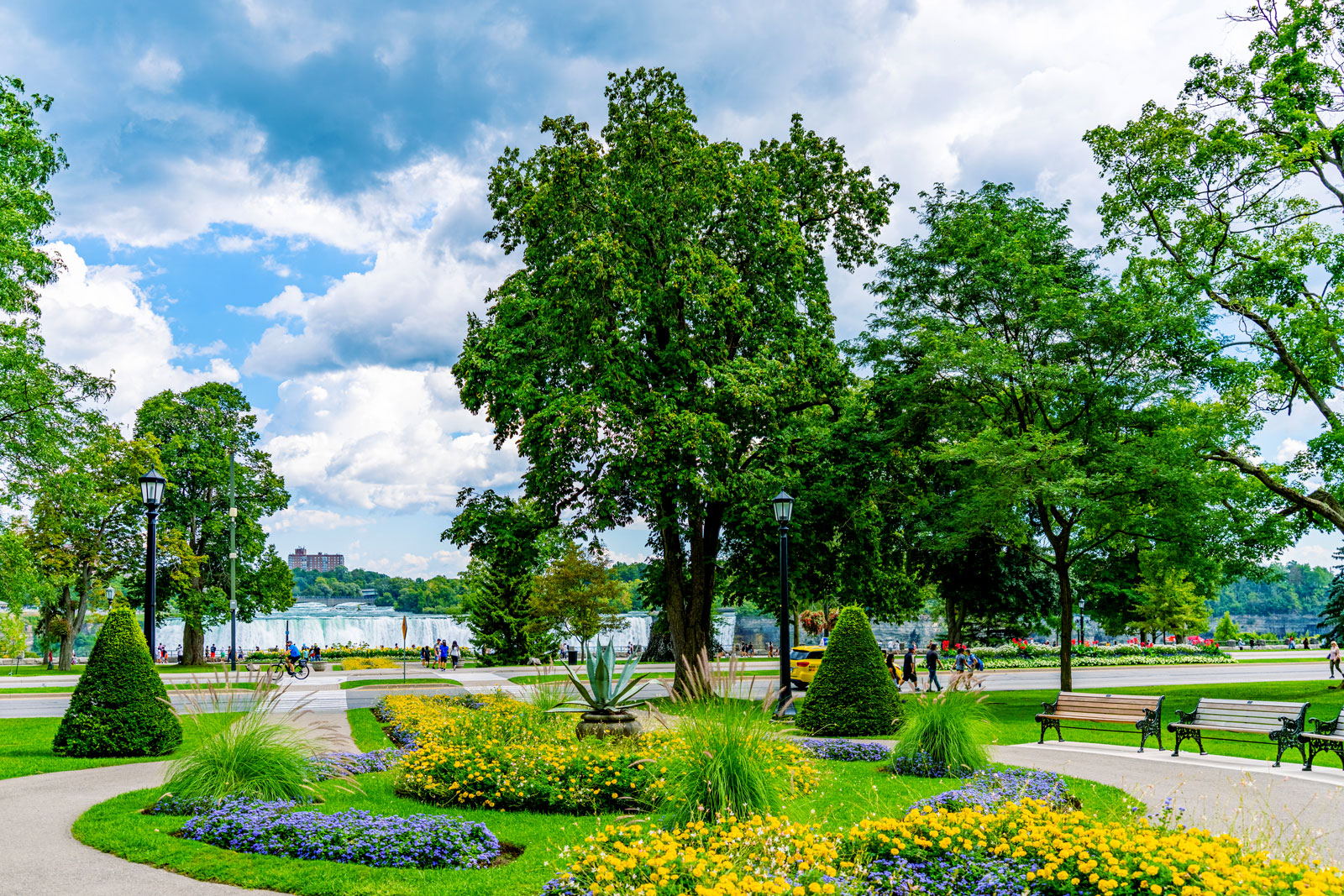
Many travelers who arrive by train find that summer’s longer days make a bike-friendly itinerary particularly practical. There is enough time to experience the Falls, explore part of the river corridor, stop for meals, and return to the visitor core before sunset.
The season also brings additional demand. Popular viewpoints, restaurants, and attractions can become crowded, particularly on weekends.
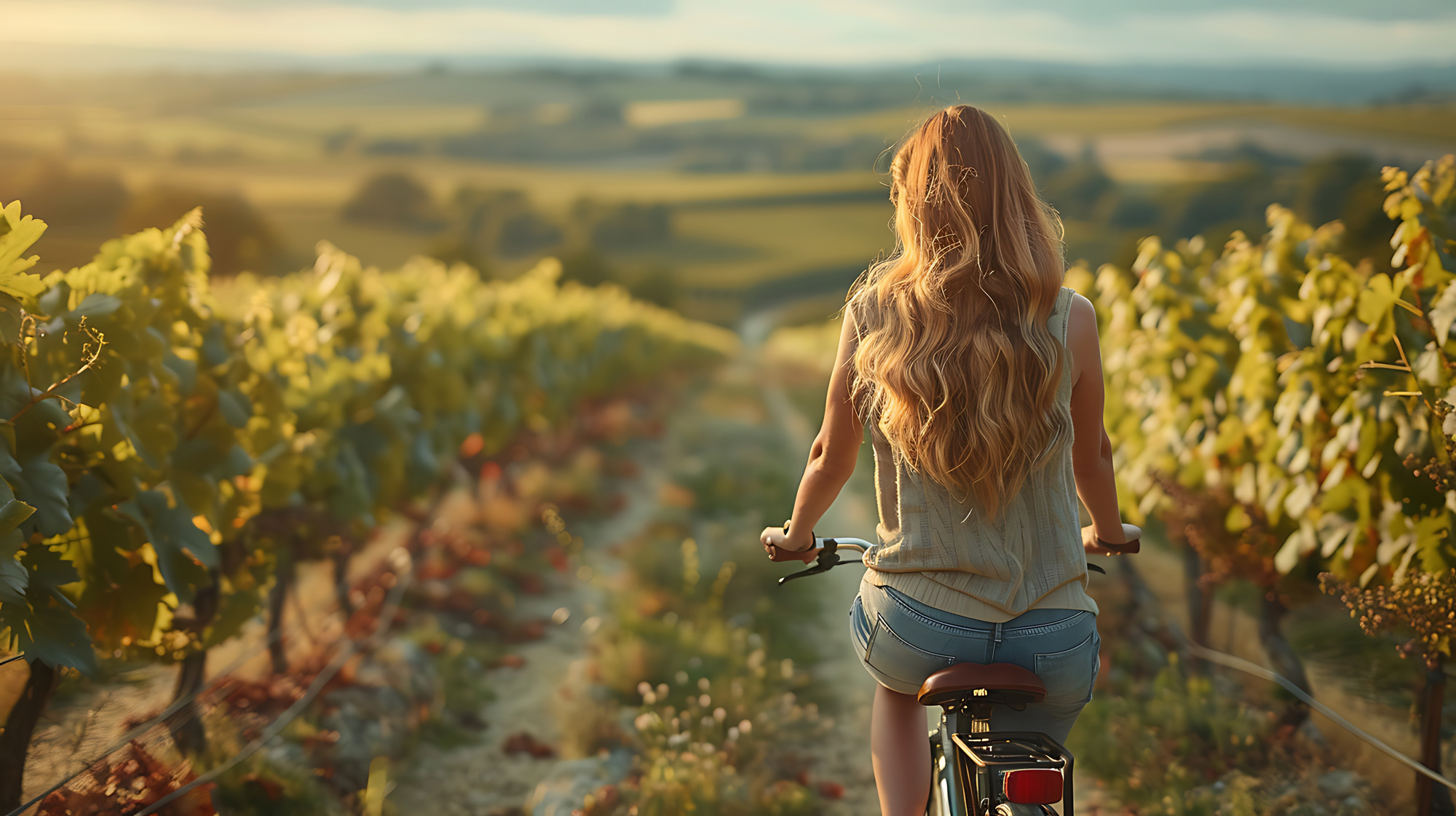
Local tourism professionals often recommend starting early. Visitors who arrive in the morning typically encounter lighter crowds along the river and enjoy a more relaxed experience before peak afternoon visitation begins.
Summer Planning Tip
Arrive early, explore the river corridor during the day, and save Clifton Hill and the Falls illumination for the evening.
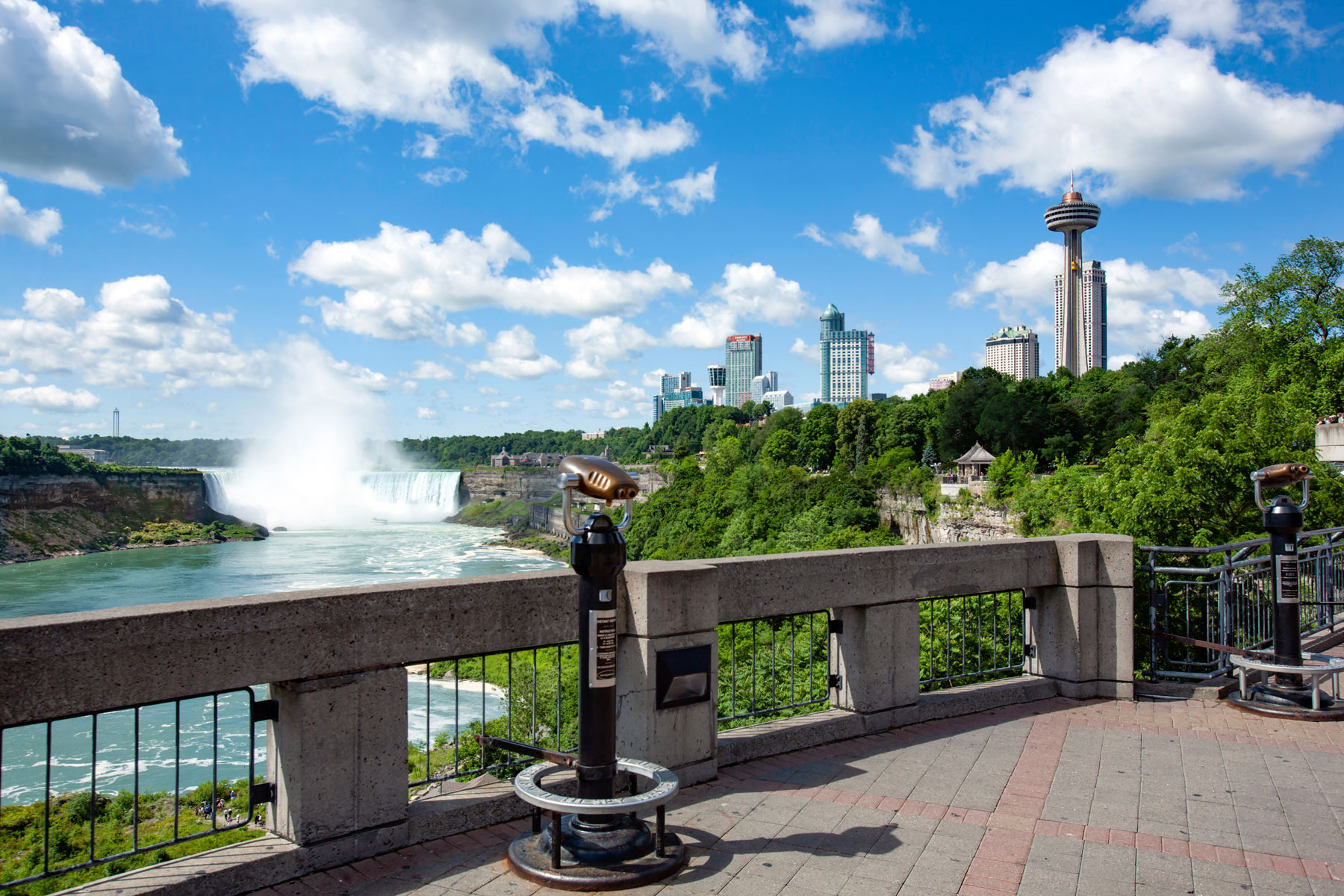
This progression tends to create a more balanced day than spending the entire visit in the busiest areas around the Falls.
Getting There by GO Transit
GO Transit has become an increasingly popular option for Niagara-bound travelers who want to avoid highway traffic and parking concerns.
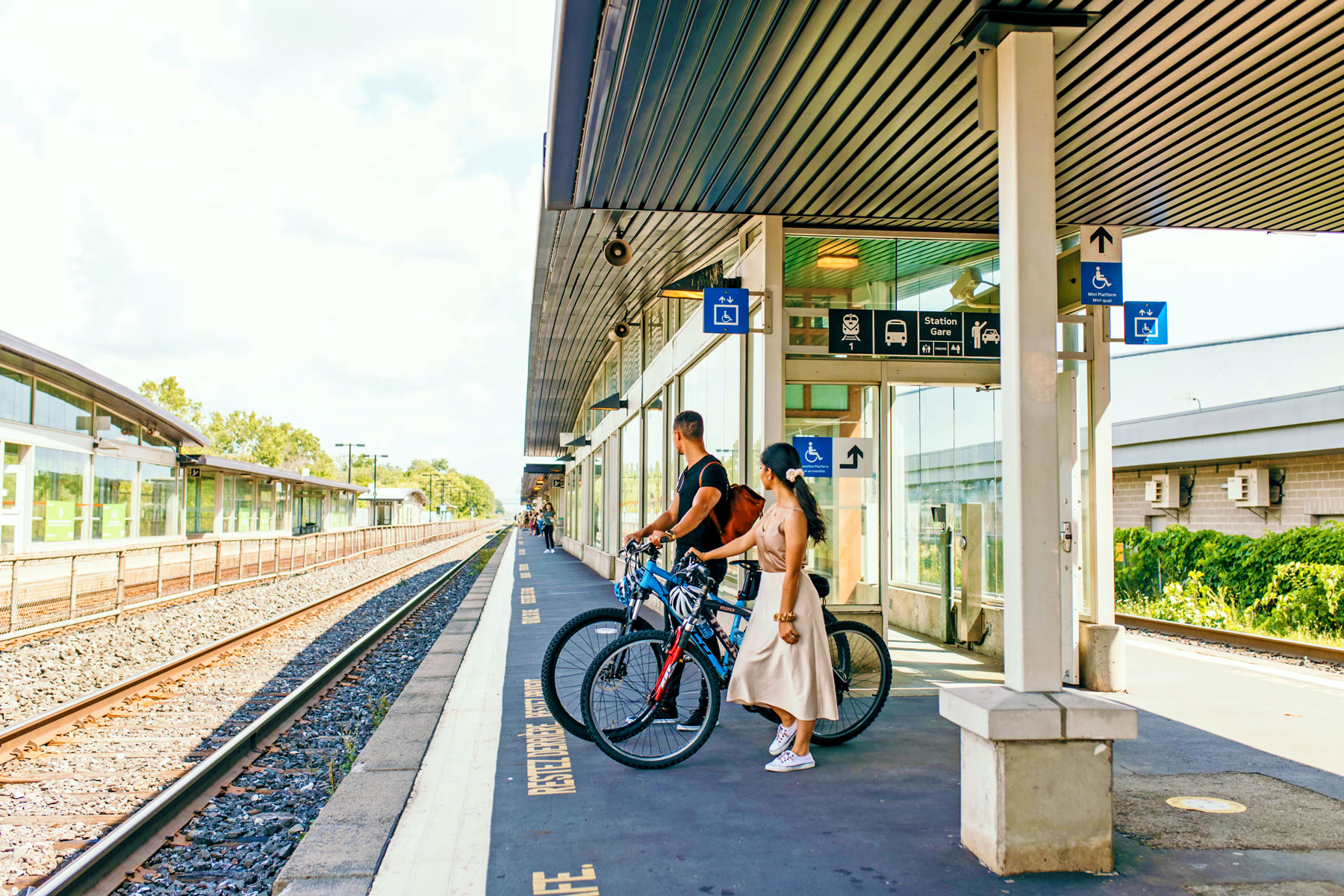
For cyclists, the train creates an easy connection between Toronto and Niagara Falls. Instead of beginning the day behind the wheel, travelers can arrive ready to ride.
Visitors bringing bicycles should review current GO Transit and Metrolinx bicycle guidelines before departure. Folding bicycles can travel at all times when folded, while conventional bicycles and permissible e-bikes are subject to designated storage requirements and weekday peak-period restrictions.

During the summer season, Niagara-bound services are particularly popular with recreational riders exploring the region.
For many travelers, the train journey itself becomes part of the experience rather than simply transportation.
Exploring Niagara at a Different Pace
Cycling changes how visitors interact with Niagara Falls.
Rather than moving directly from attraction to attraction, travelers become more connected to the spaces between them. The river becomes part of the experience. Parks feel more accessible. Smaller viewpoints and riverside stops become easier to incorporate into the day.
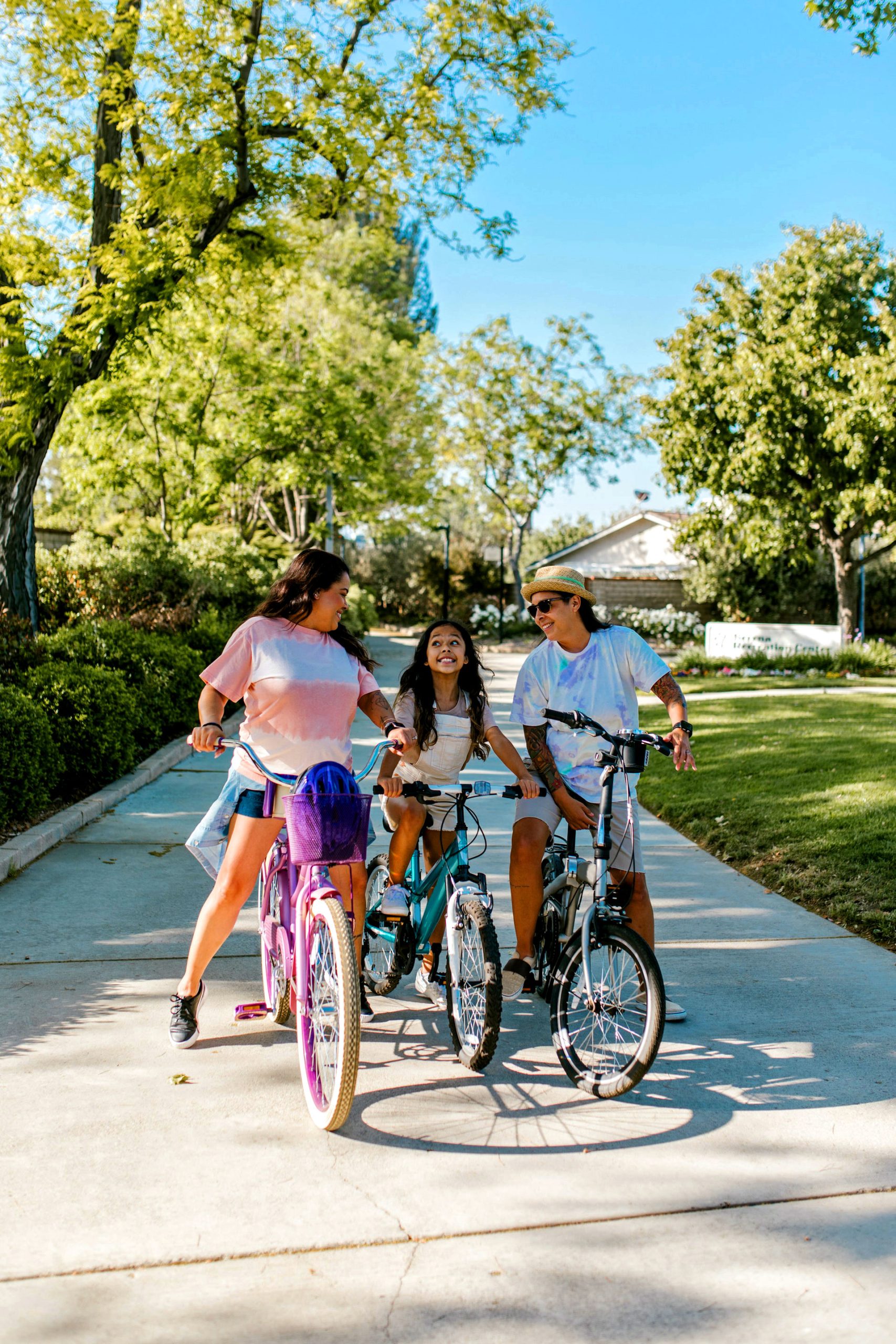
Many visitors notice that Niagara feels significantly different only a short distance from the busiest viewing areas.
A few kilometers north of the Falls, the atmosphere begins to shift. The sound of traffic softens, the river corridor widens, and the pace becomes noticeably calmer.
This contrast is one of the region’s defining characteristics. Niagara Falls combines one of North America’s most visited natural attractions with stretches of landscape that still reward slower exploration.
Where Clifton Hill Fits Into the Experience
A bike-focused Niagara Falls trip is not exclusively about trails and viewpoints. Most visitors eventually find themselves drawn back toward the energy of the tourism district, particularly later in the day.
That is where Clifton Hill fits naturally into the experience.
Located within walking distance of the Falls and many major attractions, the district functions as one of Niagara Falls’ central gathering places. Restaurants, family attractions, entertainment venues, and evening activity create a lively atmosphere that contrasts with the quieter stretches of the Niagara Parkway.
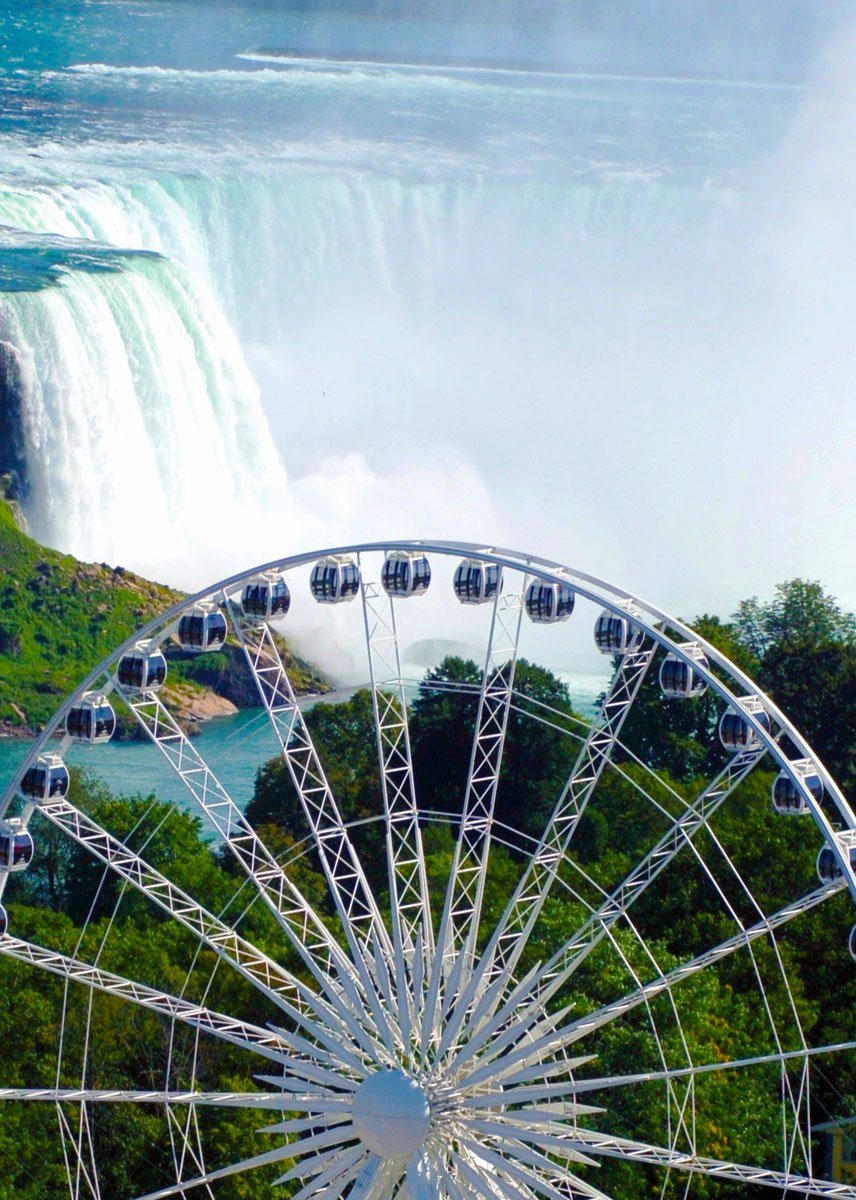
For families, Clifton Hill often becomes a practical stop between sightseeing and evening plans. For couples and groups, it frequently serves as a convenient dining and entertainment district after a day spent exploring outdoors.
Why Visitors Return to Clifton Hill
- Central location near the Falls
- Walkable access to dining and attractions
- Family-friendly entertainment options
- Evening activity after trails and sightseeing
- Convenient stop before viewing the illuminated Falls
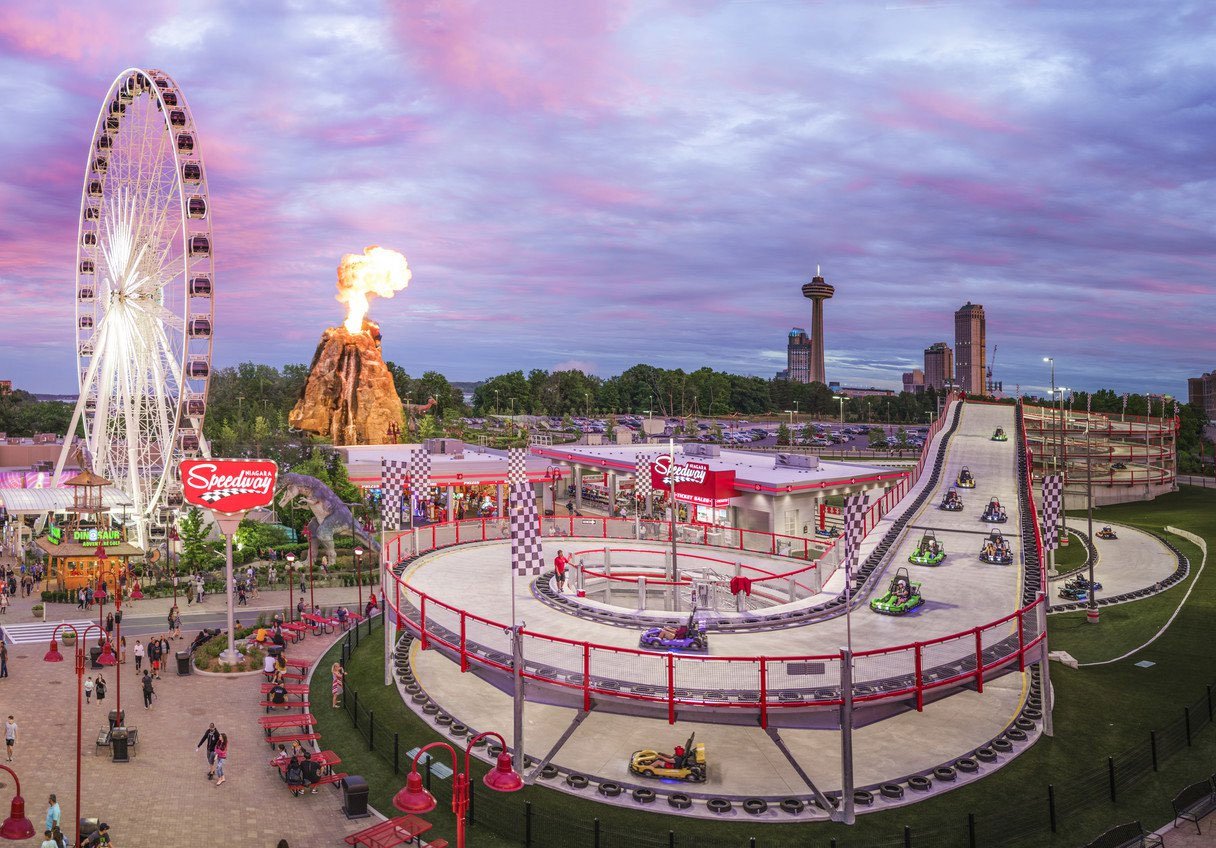
Rather than competing with Niagara’s natural attractions, Clifton Hill tends to complement them. Many visitors spend the day exploring the river corridor and return to the district after sunset when the focus shifts from scenery to atmosphere.
Planning Your Summer Visit
A successful summer trip to Niagara Falls usually involves managing timing more than distance.
The destination is compact enough that visitors can experience a great deal without covering large distances. The challenge is deciding where to focus attention.
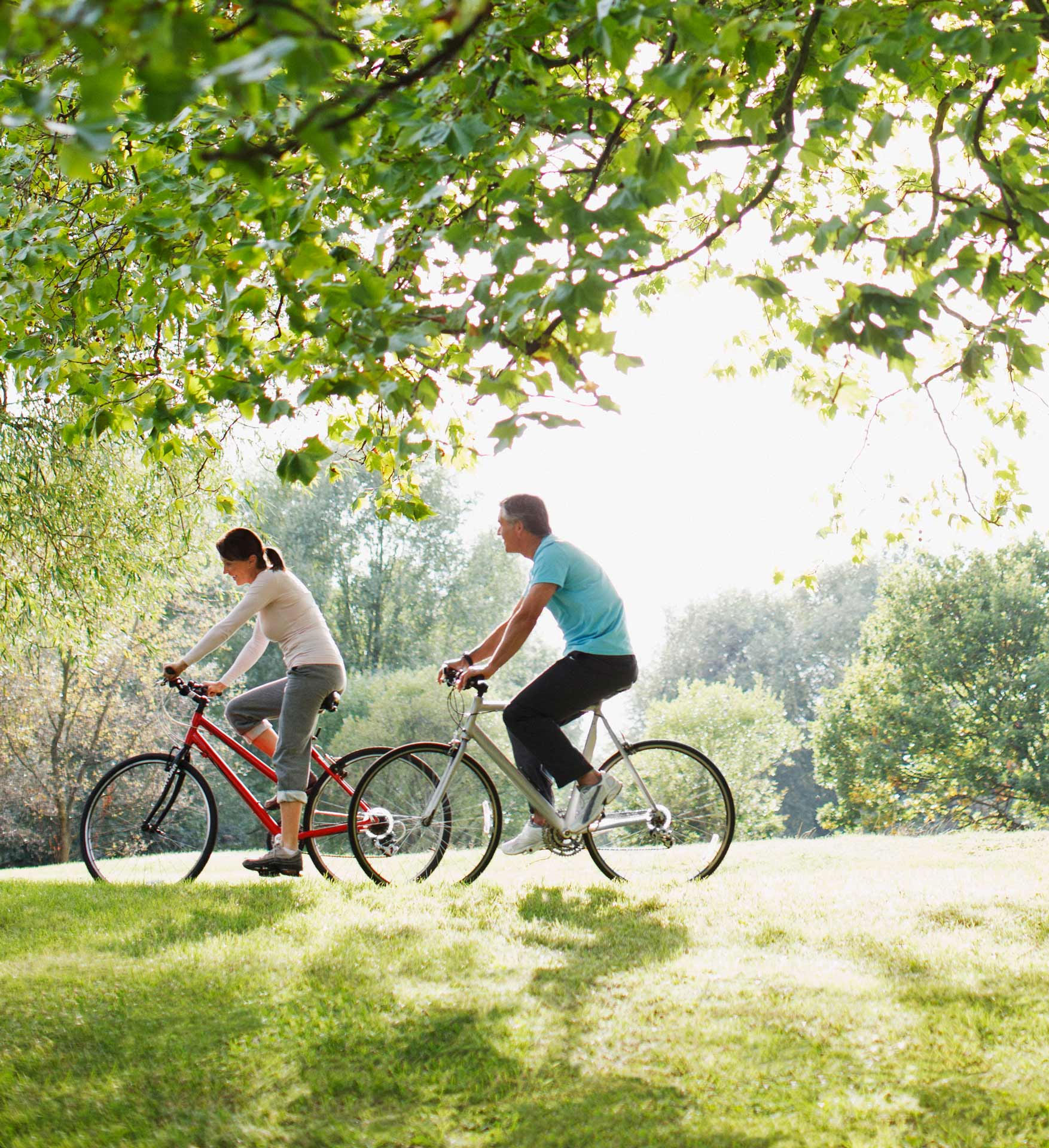
Travelers visiting for a single day should prioritize the Falls, one section of the Niagara River corridor, and an evening experience such as Clifton Hill or the illuminated waterfalls.
Visitors staying overnight gain the flexibility to explore more of the Niagara Parkway, spend additional time cycling, or venture farther north toward Niagara-on-the-Lake.
Common Summer Mistakes
- Arriving during the busiest afternoon hours
- Trying to see the entire region in one day
- Ignoring GO Transit bicycle requirements before departure
- Spending the entire visit in the immediate Falls area
- Underestimating summer heat and hydration needs
The most rewarding itineraries leave room for spontaneity. Niagara is a destination where an unplanned stop along the river can become as memorable as a scheduled attraction.
Niagara’s Best Trails
Visitors arriving by bike can quickly connect to the Niagara River Recreation Trail, a scenic route that follows much of the Niagara Parkway between Fort Erie and Niagara-on-the-Lake. The trail links many of the region’s best-known attractions while providing access to quieter stretches of riverfront, gorge viewpoints, gardens, and historic sites.
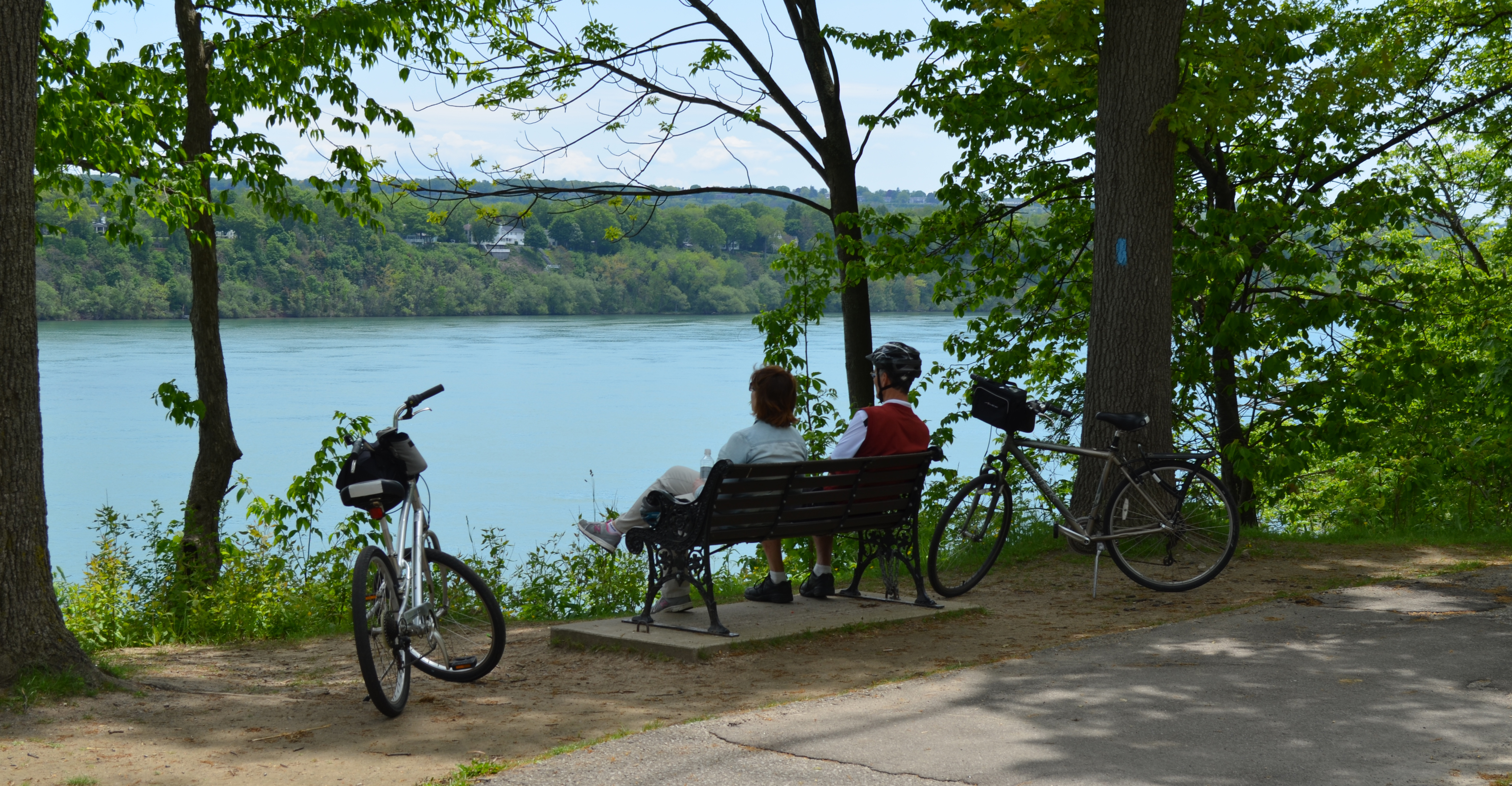
For travelers looking to trade pavement for nature, the Niagara Glen Nature Reserve offers a network of hiking trails descending into the Niagara Gorge, where forested paths and dramatic river views create a striking contrast to the energy of the Falls district.
Best for: Scenic cycling, leisurely rides, riverside walks, and exploring beyond the main visitor areas.
The Appeal of a Car-Free Niagara Falls Trip
Niagara Falls remains one of Canada’s most recognizable destinations because it offers more than a single view.
The waterfalls provide the headline attraction, but the surrounding river corridor, cycling routes, parks, entertainment districts, and neighborhoods create a destination with surprising depth.
Arriving by GO Transit and exploring by bike encourages visitors to experience that broader landscape. It slows the pace, expands the itinerary, and creates opportunities to discover parts of Niagara that many travelers never reach.
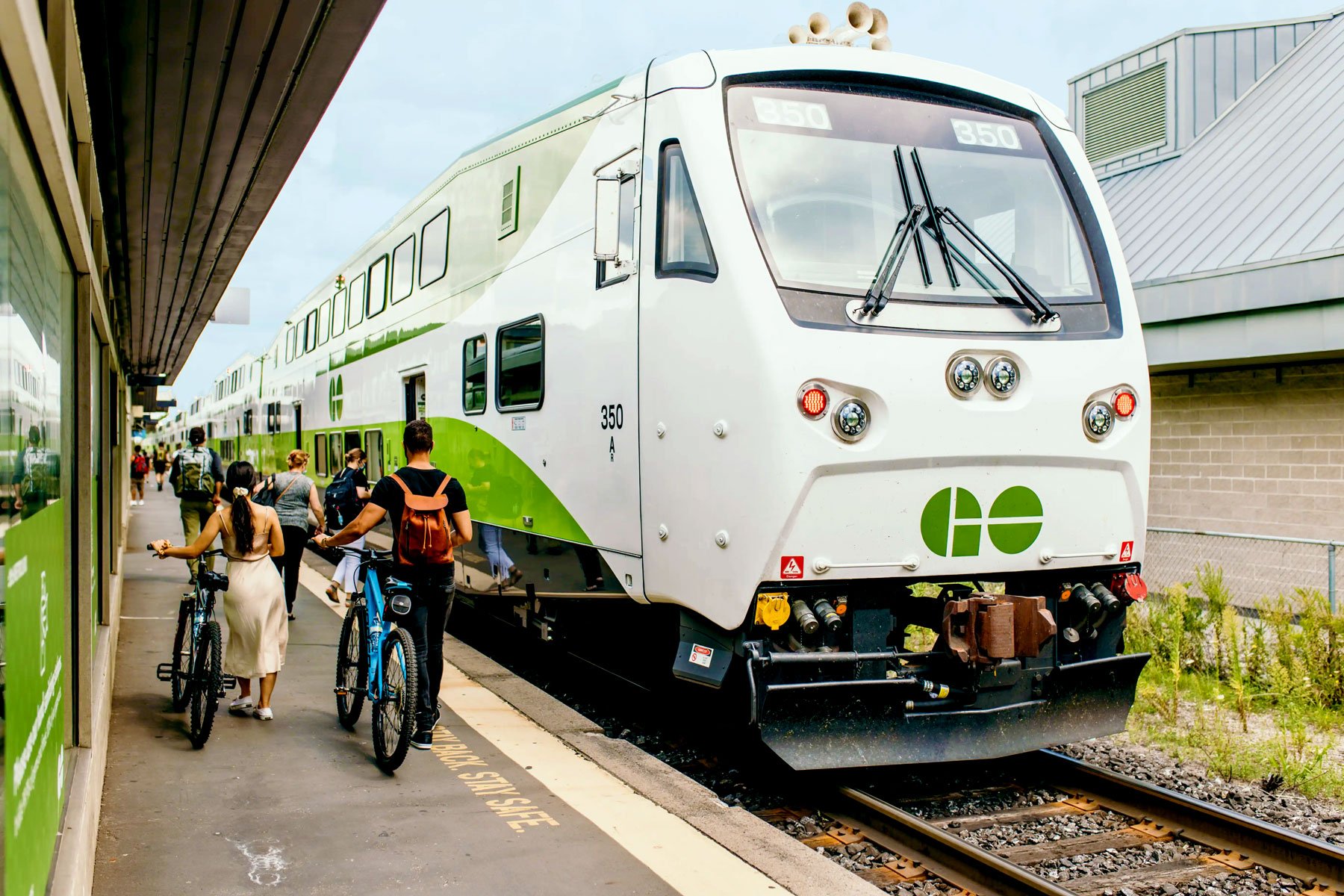
In summer, when daylight stretches well into the evening and the region is at its most active, the combination feels particularly well suited to the destination.
For travelers looking beyond the traditional road trip, a train-and-bike journey reveals a version of Niagara Falls that is both practical and unexpectedly rewarding.
Practical Notes for Your Visit
Summer offers the longest daylight hours, full attraction schedules, and ideal conditions for cycling along the Niagara River corridor.
How long should visitors stay?
One full day works well, though an overnight stay provides more flexibility for cycling and sightseeing.
Can Niagara Falls be explored without a car?
Yes. GO Transit, local transportation, walking routes, and cycling infrastructure make car-free travel increasingly practical.
Is Niagara Falls suitable for families?
Yes. The combination of parks, attractions, Clifton Hill, and walkable sightseeing areas makes the destination highly family-friendly.
What is the biggest mistake first-time visitors make?
Focusing exclusively on the waterfalls and missing the wider Niagara River corridor, which offers some of the region’s most rewarding scenery and cycling opportunities.