


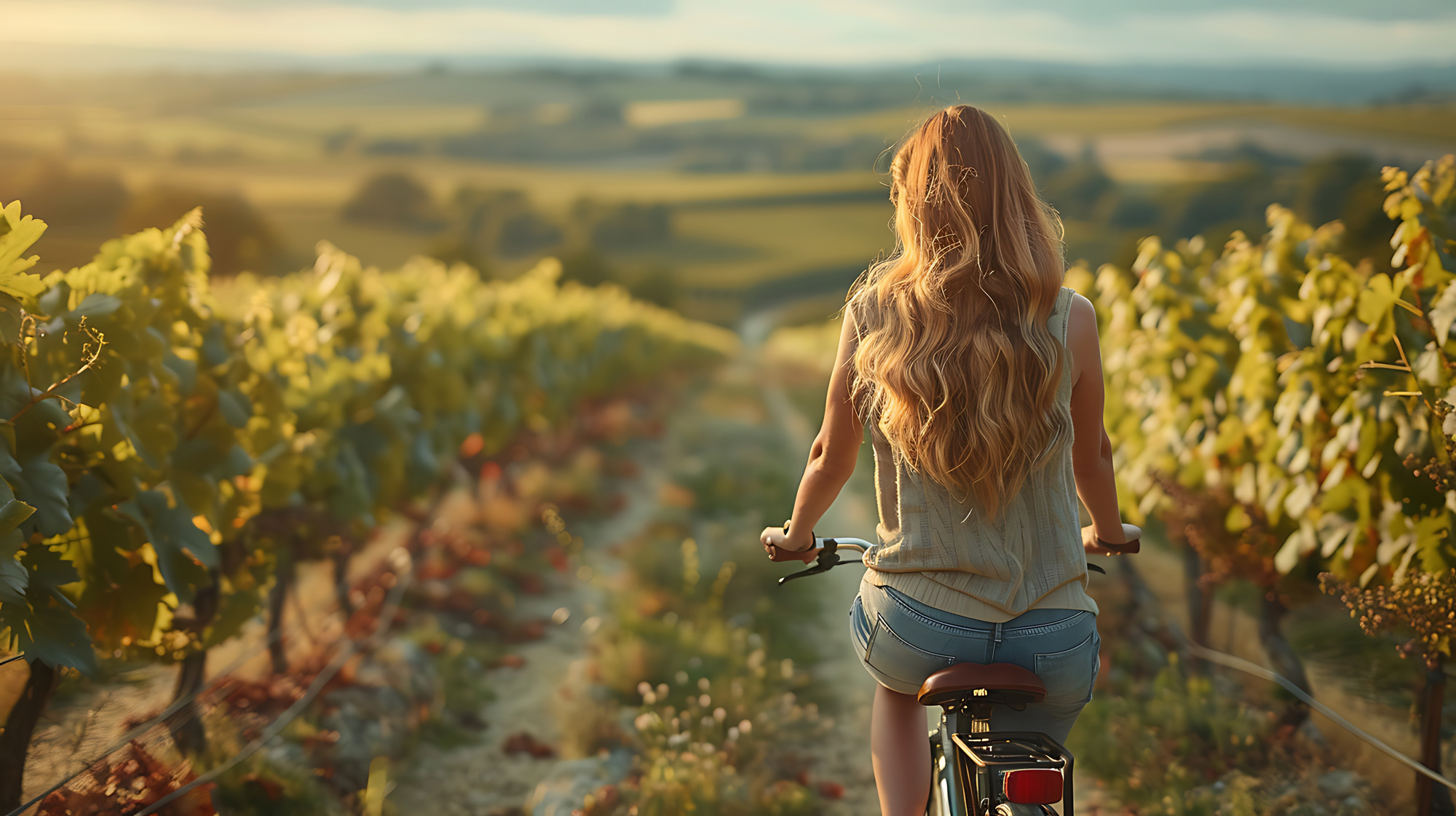

Niagara wine country is close enough to Niagara Falls to make a winery visit an easy part of a longer Falls getaway, but choosing an organic winery takes a little more research than simply searching for “sustainable wine.”
- Ravine Vineyard Estate Winery
- Southbrook Vineyards
- On Seven Estate Winery
- Icellars Estate Winery
- Tawse Family Vineyards
- Frogpond Farm Organic Winery
- Organic, Biodynamic and Sustainable: What’s the Difference?
- What About Kew Vineyards and Ferox?
- Planning an Organic Winery Day From Clifton Hill
- Niagara’s Organic Wine Scene Continues to Change
- Pair Wine Country With a Niagara Falls Stay
Several Niagara wineries farm certified-organic vineyards, while others follow organic, regenerative or sustainable practices without making the same certification claim. For visitors staying around Clifton Hill and the Falls, the most convenient concentration is in St. Davids and Niagara-on-the-Lake. A second group sits farther west along the Niagara Escarpment in Vineland and Beamsville.
Here are some of the Niagara wineries where organic farming is a meaningful part of the vineyard and winemaking story.
Ravine Vineyard Estate Winery
Ravine is one of the most practical organic winery stops for travellers coming from Niagara Falls. Its fifth-generation family farm sits in St. Davids, between the Falls and the main Niagara-on-the-Lake wine routes.
Location: 1366 York Road, Box 96, St. Davids, ON L0S 1P0
Phone: +1 905 262 8463
Website: ravinevineyard.com
Facebook: Ravine Vineyard Estate Winery
The estate describes itself as a 34-acre organic winery and uses organic and biodynamic principles in its vineyards and farm. The property is especially interesting for travellers who want more than a tasting: Ravine combines its vineyards with a restaurant, bakery, gardens and a broader farm-to-table experience.
That makes Ravine particularly easy to work into a Niagara Falls day. Rather than spending the entire day touring wineries, visitors can stop here for wine and lunch before continuing toward Niagara-on-the-Lake or returning to the Falls.
Southbrook Vineyards
Southbrook is one of the clearest answers to the question, “Where can I visit a certified organic winery near Niagara Falls?“
The estate describes itself as Canada’s first certified sustainable, biodynamic, organic and regenerative-organic vineyard. Its wines are certified organic and biodynamic, and the winery has made soil health, biodiversity and regenerative agriculture central to how the property is farmed.
Location: 581 Niagara Stone Road, Niagara-on-the-Lake, ON L0S 1J0
Phone: 905.641.2548
Website: southbrook.com
Visitors can book tastings or spend time beside the vineyards, and Southbrook also offers food during its seasonal patio operation.
For someone primarily interested in how organic farming changes the vineyard itself, rather than simply looking for a bottle carrying an organic label, Southbrook is one of the more substantial stops in Niagara wine country.
On Seven Estate Winery
On Seven is very different from Niagara’s larger winery estates.
The property specializes almost entirely in Chardonnay and Pinot Noir, with small production and a deliberate focus on vineyard conditions rather than a large portfolio of different styles.
Location: 1261 Line 3 Road, Niagara-on-the-Lake, ON L0S 1J0
Phone: 905-351-2996
Website: onsevenwinery.ca
Instagram: On Seven Winery
Its vineyards are farmed using certified-organic practices, with hand harvesting, low yields, wild-yeast fermentation and a strong emphasis on expressing the character of the site.
Because On Seven operates on a much smaller scale than many Niagara wineries, it is worth checking directly with the winery before planning a visit rather than assuming the same walk-in experience offered by larger estates.
For wine travellers specifically interested in small-production Niagara Chardonnay and Pinot Noir, that narrower focus is part of the appeal.
Icellars Estate Winery
Icellars combines organic farming with a broader sustainability program.
The winery received Ecocert organic certification and states that its wines from the 2023 vintage onward are certified organic. The estate has also pursued regenerative farming, certified sustainable winegrowing and significant investments in renewable energy.
Location: 615 Concession 5 Road, Niagara-on-the-Lake, ON, Canada L0S 1J0
Phone: +1 289-479-5969
Website: icellars.ca
Most of its production comes from its own vineyard, with varieties including Cabernet Sauvignon, Cabernet Franc, Merlot, Syrah, Chardonnay and Pinot Noir.
This is another relatively small winery. Tastings are seated, and the winery specifically notes that it cannot accommodate large groups or bus tours.
That makes it better suited to a couple or small group building their own Niagara wine-country itinerary.
Tawse Family Vineyards
Tawse requires a longer drive west from Niagara Falls, but it belongs in a serious guide to organic wine in the Niagara Peninsula.
Its estate vineyards have been progressively certified organic since 2008, and Tawse has long combined organic and biodynamic farming with an emphasis on Niagara Escarpment terroir. The winery also announced that all Tawse and Redstone vineyards had achieved Ontario Certified Sustainable status.
Location: 3955 Cherry Ave., Vineland, ON L0R 2C0
Phone: +1 905-562-9500
Website: tawsewinery.ca
Facebook: Tawse Wines
The winery offers regular tasting flights as well as more structured private tastings and vineyard tours, making it one of the easier estates on this list for visitors who want to learn about the farming as well as taste the wines.
Tawse is in Vineland, not Niagara-on-the-Lake. For travellers based at Clifton Hill, it makes more sense to combine Tawse with other western Niagara wineries rather than trying to squeeze it between Niagara-on-the-Lake stops.
Frogpond Farm Organic Winery
Frogpond Farm deserves a place in Niagara’s organic-wine history.
Location: 1385 Larkin Road, Niagara-On-The-Lake, ON L0S 1J0
It was Ontario’s first certified organic winery and began producing wine from organically farmed Niagara-on-the-Lake vineyards more than two decades ago. However, Frogpond has now closed its winery after 25 years. Its website says the online store will remain available only while remaining stock lasts.
Older Niagara winery guides may still list Frogpond as an active tasting stop, so visitors should not build a current itinerary around it.
Organic, Biodynamic and Sustainable: What’s the Difference?
These terms often appear together, but they describe different things.
Organic generally concerns how grapes are grown and what can be used in the vineyard and winemaking process under an organic certification program.
Biodynamic farming goes further in treating the vineyard as an interconnected agricultural ecosystem. Southbrook and Tawse are two Niagara wineries strongly associated with both organic and biodynamic farming.
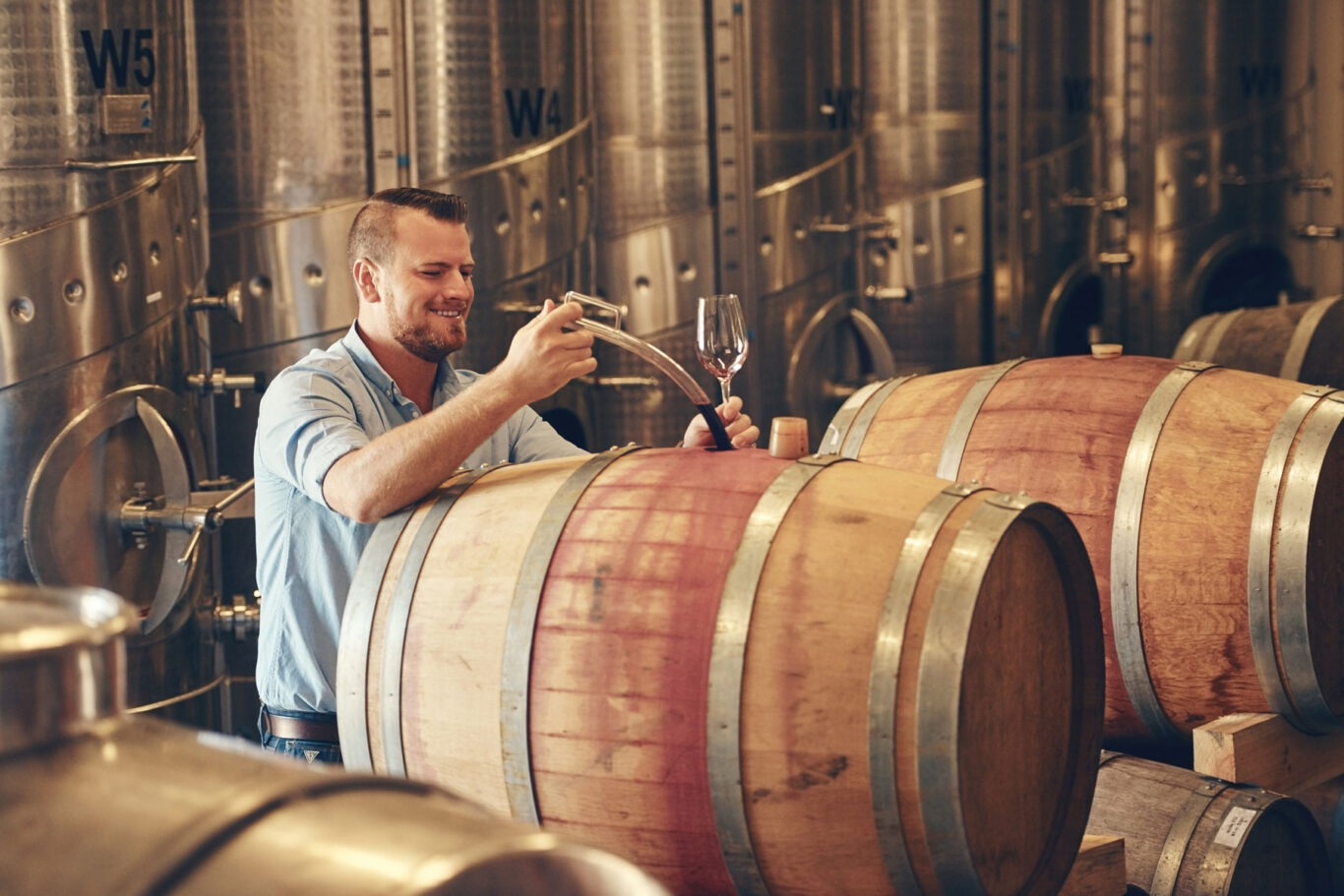
Sustainable certification looks more broadly at winery and vineyard operations, including areas such as energy, water, waste, employees and long-term environmental management.
A winery can therefore be highly sustainable without all of its wines being certified organic.
That distinction matters when planning a trip specifically around organic Niagara wine.
What About Kew Vineyards and Ferox?
Both remain worthwhile examples of Niagara’s changing approach to vineyard sustainability, but they should not be presented in quite the same way as certified-organic estates.
Ferox is a Certified Sustainable vineyard and winery and says it incorporates organic and regenerative practices, including mechanical weed management rather than herbicides.
Kew continues to produce an Organic Cuvée using organic Riesling from the Young Family Organic Vineyard. However, the Canadian Food Inspection Agency records Kew Vineyards Estate Winery’s previous organic certification as voluntarily withdrawn in December 2023.
For accuracy, neither should simply be labelled a certified-organic winery in a current Niagara guide.
Planning an Organic Winery Day From Clifton Hill
Wine country and Clifton Hill work well together, but they are different parts of the Niagara experience.
The wineries are not within walking distance of Clifton Hill, so plan on a vehicle, a designated driver or an organized wine tour.
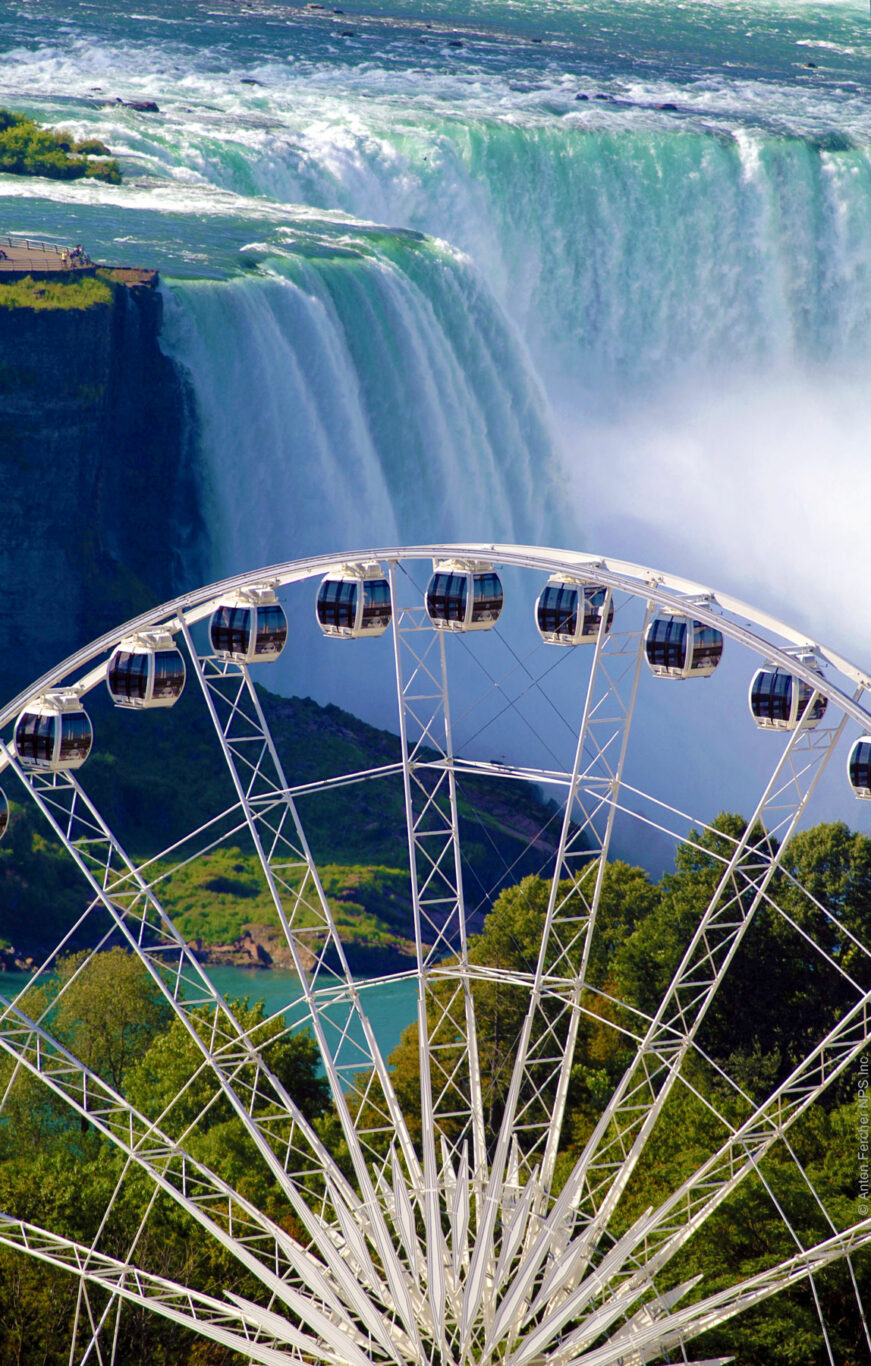
For a shorter outing, concentrate on St. Davids and Niagara-on-the-Lake. Ravine, Southbrook, On Seven and Icellars keep the trip on the eastern side of Niagara wine country.
For a more wine-focused day, head west toward the Niagara Escarpment and combine places such as Tawse and Hidden Bench rather than driving back and forth across the region.
Trying to visit too many wineries usually works against the experience. Two or three well-chosen stops leave more time for a tasting, a vineyard walk or lunch.
Travellers staying around Clifton Hill can then return to the Falls for the evening without needing to build attractions, wineries and Niagara-on-the-Lake into one continuous itinerary.
Niagara’s Organic Wine Scene Continues to Change
Niagara’s organic wine landscape is not static. Wineries change ownership, certification status can shift, and some estates expand from organic farming into biodynamic or regenerative practices. Frogpond Farm’s closure is a good example of why older winery lists can quickly become outdated.
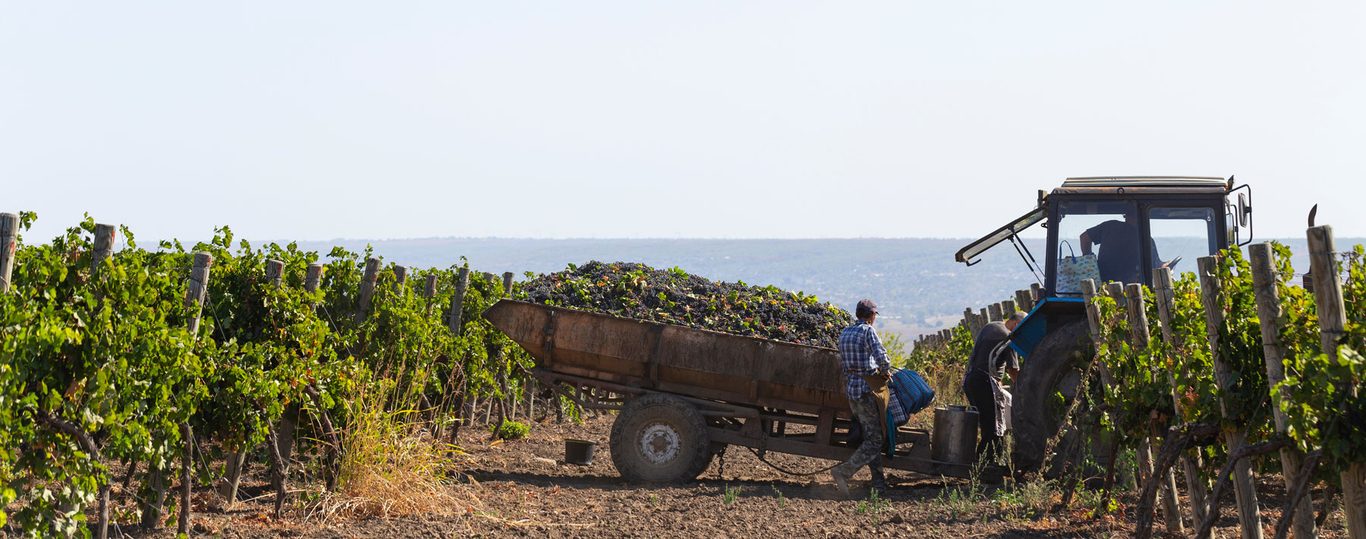
For visitors, that makes current certification and location more useful than broad labels such as “eco-friendly” or “sustainable.” Some wineries on this list are firmly rooted in certified-organic production, while others are notable for the way they combine organic farming with biodiversity, soil health and low-intervention winemaking.
Pair Wine Country With a Niagara Falls Stay
One of the advantages of exploring Niagara wine country from Clifton Hill is how naturally it can fit into a Niagara Falls trip. The Niagara Parkway leads north from the Falls past the gorge and Queenston Heights before reaching St. Davids, where wine country begins to open up.

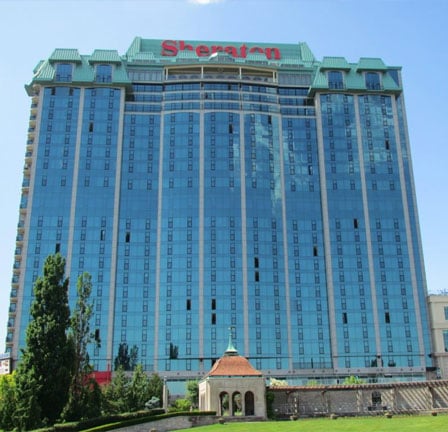
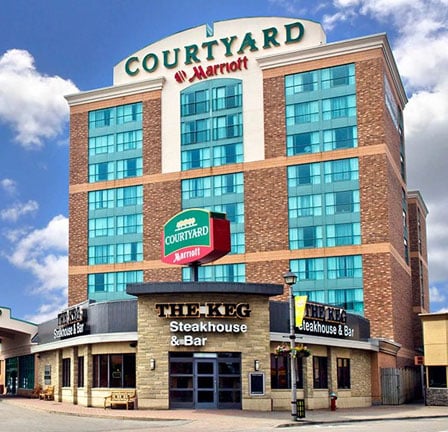
A few carefully chosen winery stops can fill a morning or afternoon without turning the day into a long driving itinerary. Ravine, Southbrook, On Seven and Icellars are especially practical for visitors who want to experience Niagara wine country and still return to the Falls for dinner, attractions, illumination or an evening walk along the river.