




Winter reshapes Niagara Falls in ways many first-time visitors never anticipate. January and February bring a quieter, more reflective season where the landscape feels elemental and the pace of travel slows. For travellers willing to dress for the weather and plan with intention, winter offers clarity: fewer crowds, crystalline views of the Falls, and a deeper sense of place that reveals itself beyond peak-season energy.
The Weather: Cold, Clear, and Often Surprisingly Calm
January and February are the coldest months in Niagara Falls, with average daytime temperatures ranging from about -6°C to 0°C (21°F to 32°F). Overnight lows dip further, and wind off the Niagara River can sharpen the chill. Snowfall is common, though conditions vary year to year. Many winter days arrive bright and crisp, with clear skies that highlight the ice formations along the riverbanks and surrounding parklands.
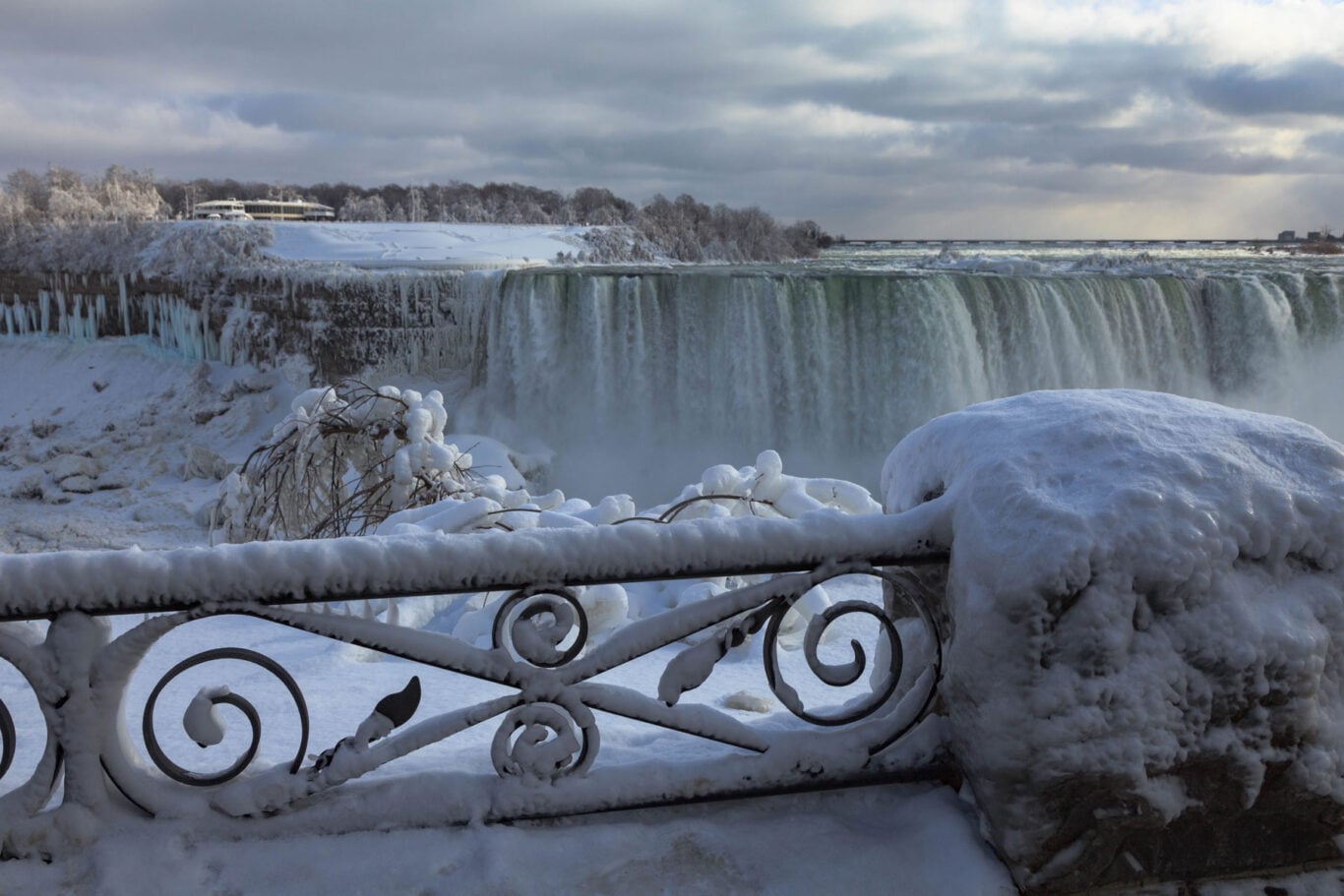
Ice buildup around the Falls is a defining visual of winter, though the water never freezes completely. The constant movement of the Niagara River ensures the Falls continue flowing, sending mist into the air that settles on nearby trees and railings, forming intricate ice sculptures that change daily.
Seeing the Falls in Winter
The experience of the Falls in winter feels expansive and unhurried. Queen Victoria Park and the Niagara Parkway offer wide-open viewpoints where the sound of rushing water carries across the snow-covered landscape. Early mornings are especially rewarding, with fewer visitors and soft light reflecting off ice-coated rock and water.
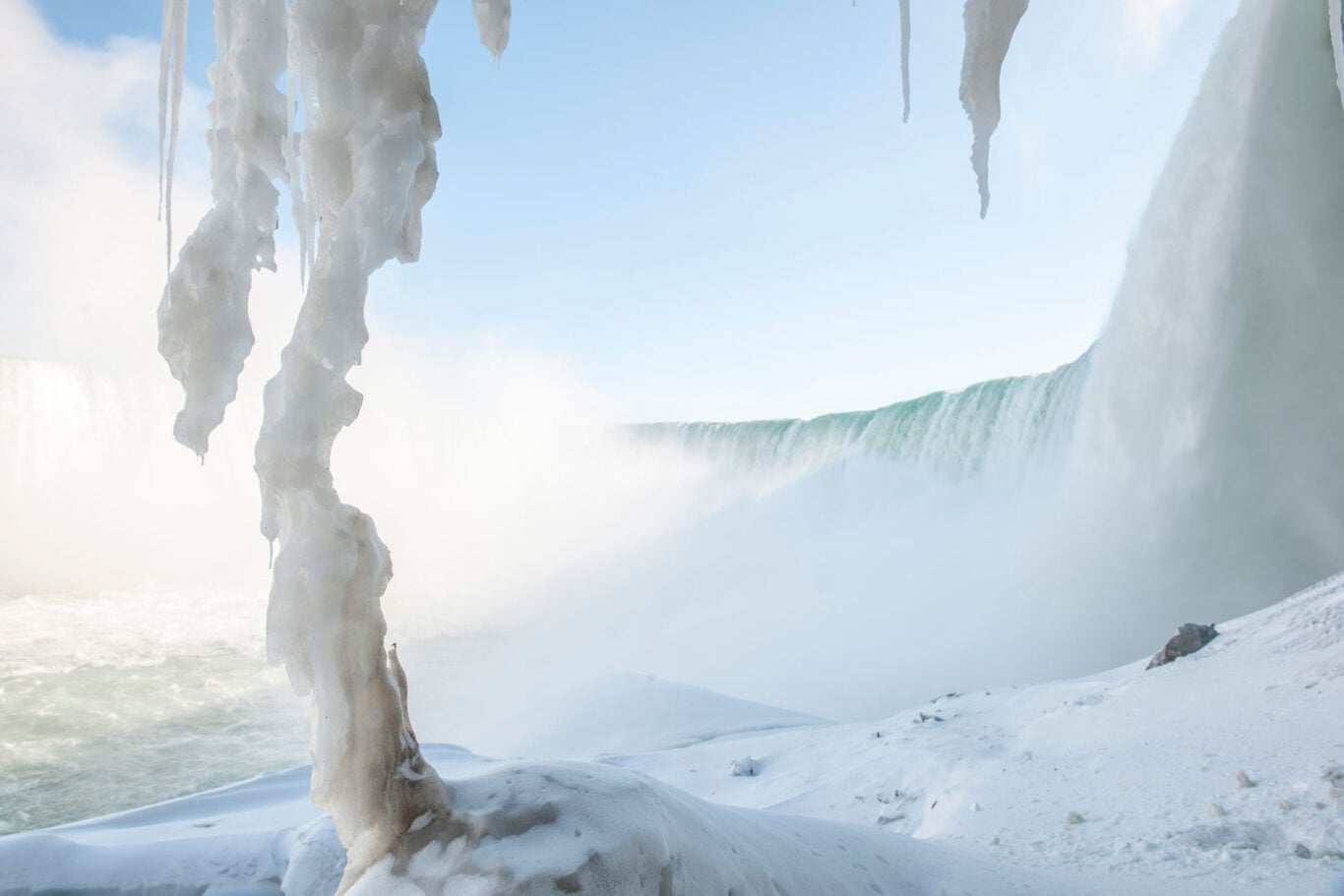
While boat tours pause for part of the winter, several indoor and weather-dependent attractions continue operating. The Niagara Parks Power Station remains open year-round, offering indoor exhibits and an underground tunnel experience that provides context and warmth without sacrificing views of the river.
Clifton Hill: Winter Energy Without the Crowds
Clifton Hill remains the social heart of Niagara Falls throughout winter. Arcades, attractions, and restaurants operate year-round, creating a lively indoor escape when temperatures drop. The SkyWheel continues to spin in winter conditions, offering enclosed gondolas and sweeping views over the Falls and cityscape, often framed by snow.


Dining options on Clifton Hill become especially appealing during colder months. Restaurants such as Kelsey’s, Boston Pizza, and local steakhouses provide relaxed spaces to warm up, linger over meals, and watch the winter atmosphere unfold outside. Evening visits bring added ambience, with neon lights reflecting off snow and ice, giving the district a distinctly seasonal character.


Winter Attractions Worth Planning Around
Indoor attractions play a central role in winter itineraries. The Butterfly Conservatory maintains tropical warmth and colour, offering a sensory reset from the cold. Fallsview Indoor Waterpark remains a popular choice for families, combining climate-controlled comfort with views of the winter skyline.

Nearby wineries in Niagara-on-the-Lake operate year-round, and winter tastings focus on icewine and cool-climate varietals that thrive in colder conditions. Guided tastings during January and February often feel more personal, with greater access to winemakers and staff.
Getting Around and Travel Logistics
Roads and sidewalks in Niagara Falls are well maintained during winter, though visitors should expect occasional snow-covered conditions. Winter tires are standard for local drivers, and visitors arriving by car benefit from flexibility when weather shifts. Hotels across the Fallsview and Clifton Hill areas remain open, often offering seasonal rates that reflect lower demand without compromising service.
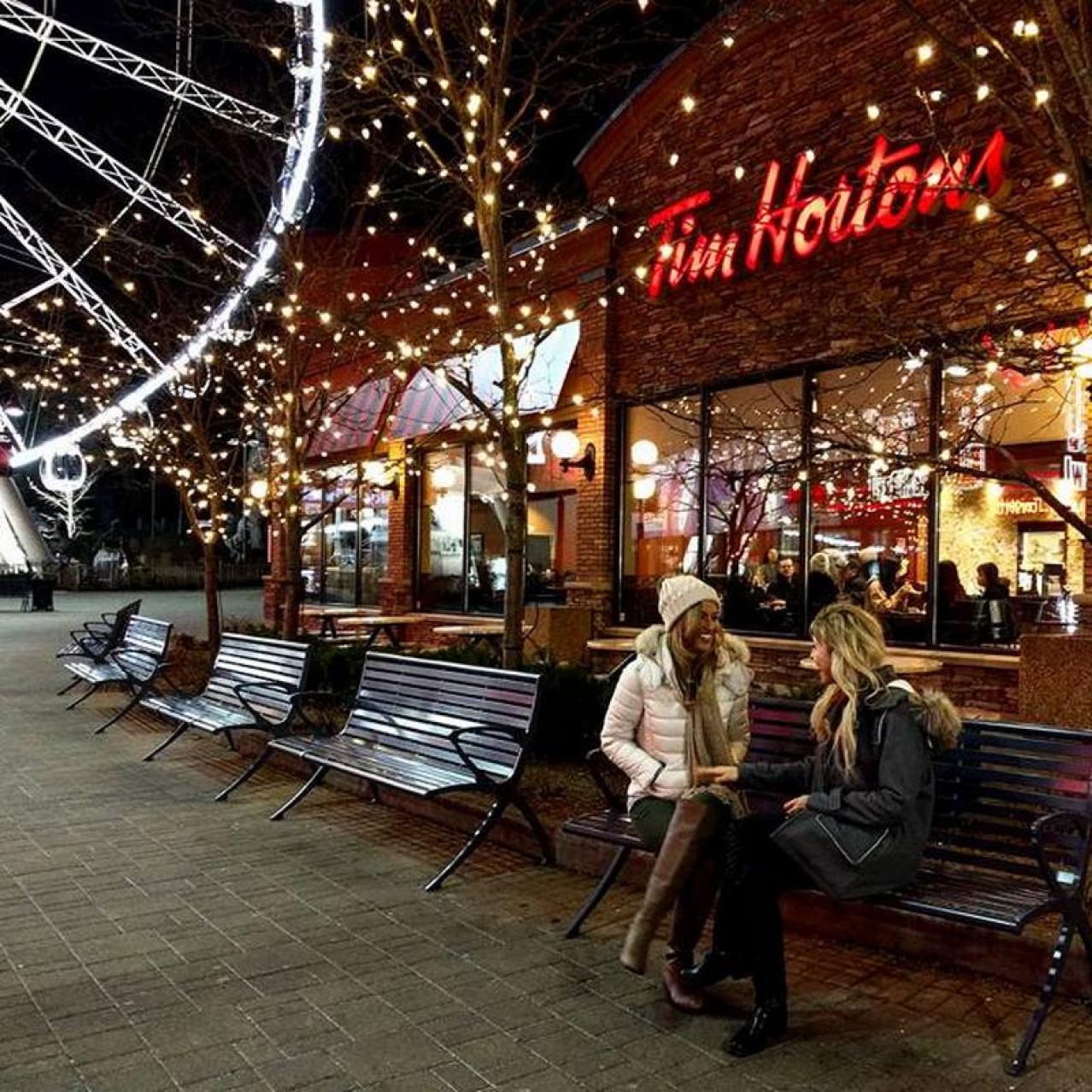
Packing for winter travel matters. Insulated footwear, wind-resistant outerwear, gloves, and hats make outdoor sightseeing comfortable rather than rushed. With the right gear, winter walks along the river or through Niagara Parks feel immersive rather than intimidating.
Why Winter Appeals to Experienced Travellers
January and February reward travellers who value atmosphere, space, and authenticity. The Falls feel monumental in winter, framed by ice and silence that highlight their scale and power. Restaurants, attractions, and hotels operate at a more measured rhythm, allowing visitors to engage without feeling hurried.


Winter in Niagara Falls is not about chasing a packed itinerary. It is about seeing an iconic destination stripped to its essentials: water, rock, ice, and light. For travellers seeking a clear-eyed view of Niagara Falls beyond the high season, winter offers perspective that lasts long after the snow melts.