



Niagara Falls doesn’t just draw the eye; it commands a sort of reverence. That immense, thundering power has always humbled and provoked us in equal measure, challenging engineers to bridge the divide between two nations. The collapse of the Honeymoon Bridge in 1938 wasn’t just an engineering failure—it was a pivotal conversation with nature, one that reshaped the very skyline of Niagara and taught a lesson we couldn’t afford to forget.
The “Honeymoon” Crossing
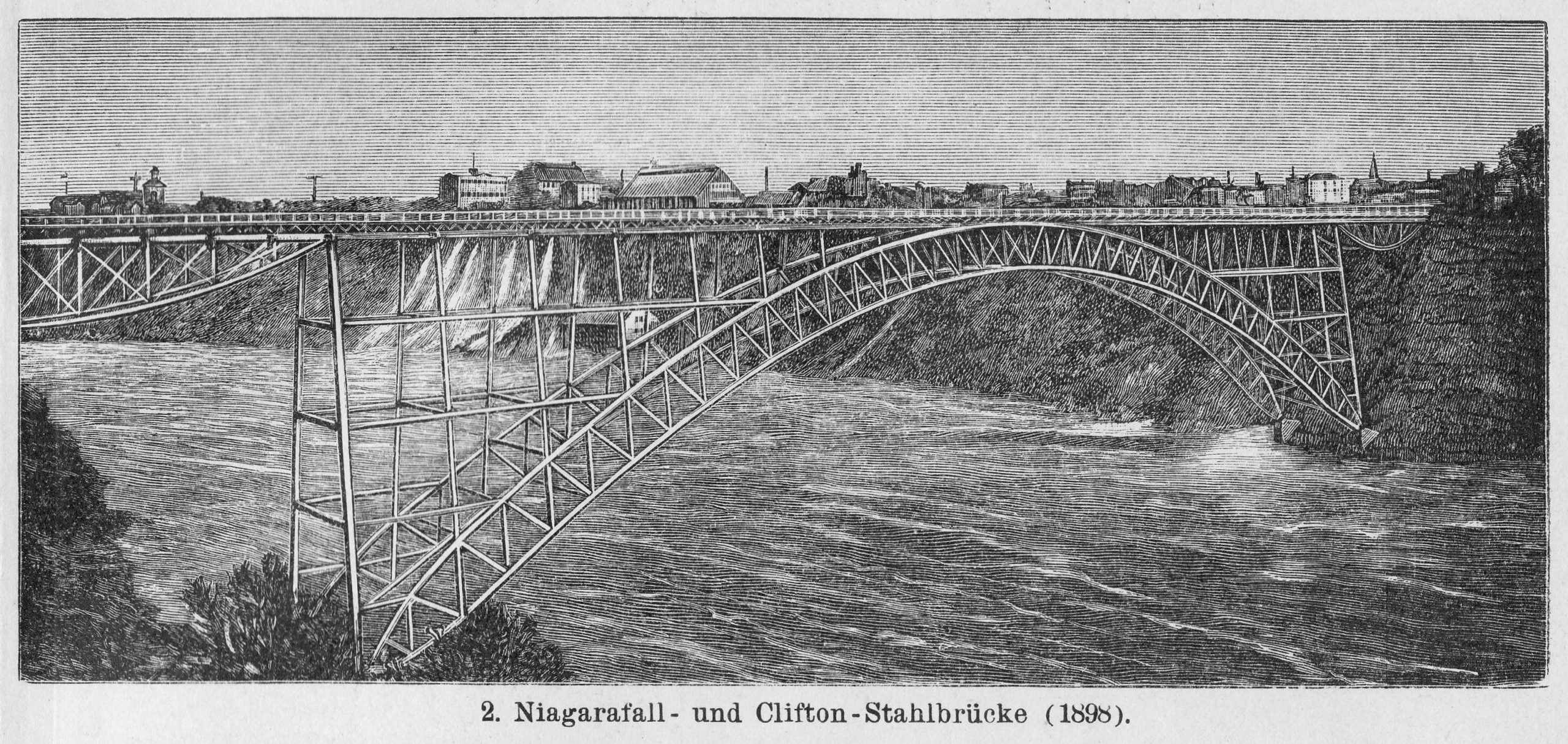
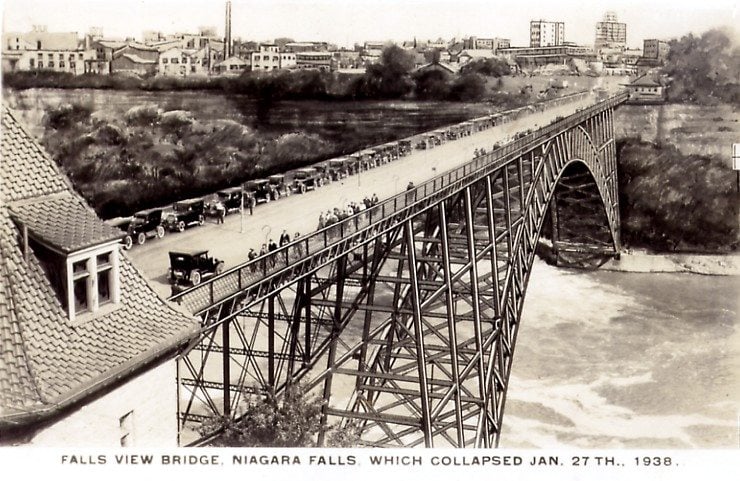
They called it the Honeymoon Bridge, and the name fit perfectly. Officially, it was the Falls View Bridge when it opened in 1898. But it was the parade of starry-eyed newlyweds, clutching hands as they gazed down at the mist and the torrent below, that gave it its soul. Stretching between the twin cities of Niagara Falls, this wasn’t merely a way across; it was a destination. For forty years, it offered the most dramatic front-row seat to the spectacle of the American and Horseshoe Falls.
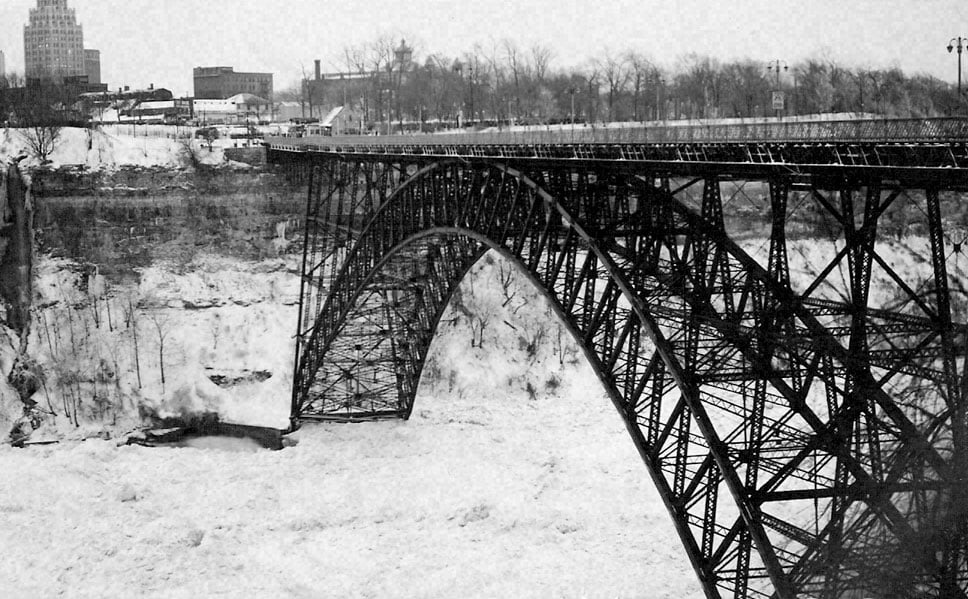
As a feat of its time, it was breathtaking. Designed by R.S. Buck, its 840-foot steel arch was the longest in the world. The latticed ribs of its two-hinged design were a lacework of ambition. Trolleys clattered, cars puttered, and people strolled across its single deck, all sharing a journey suspended above the roaring gorge.
A Persistent Whisper of Danger
From the beginning, however, the river whispered a warning. The bridge’s foundations sat unusually low, their feet almost in the water at the base of the gorge. And every winter, the Niagara River would flex its muscles. Ice from Lake Erie would surge downstream, jamming into a frozen mass that pressed, groaned, and shoved against the stone abutments.
The fight started early. In the winter of 1899, a colossal ice jam threatened to twist the entire bridge from its roots. Crews swarmed the structure for weeks, a desperate operation of saws and dynamite to chip away at the frozen siege. It held—but the annual battle became a tense ritual. The bridge was strong, but the river was patient.
Collapse Event
Then came the winter that broke all records. In January 1938, a brutal combination of relentless cold and howling winds pushed a mountains worth of ice from Lake Erie into the Niagara’s narrow throat. The falls themselves became a spectacle of grinding white, and the gorge below the Honeymoon Bridge filled with a chaotic, rising frozen dam.
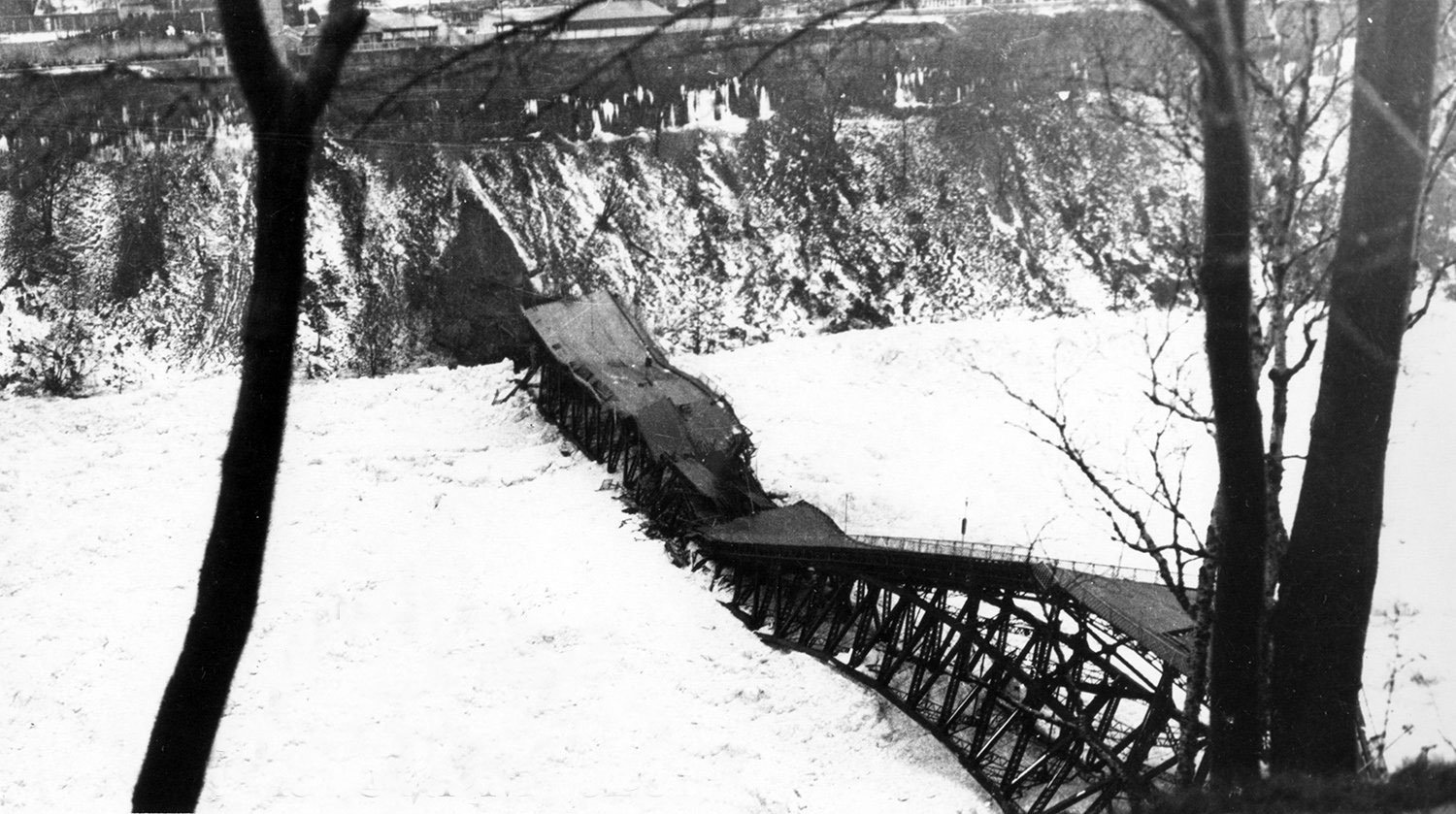
You could hear the strain. For days, the ice piled higher, lifting the river behind it by nine feet, swamping docks and walkways. It wrapped the bridge’s supports in a crushing, crystalline embrace. Sensing the inevitable, authorities did the only wise thing: they stopped all traffic and waited.
Bridge Collapse Video
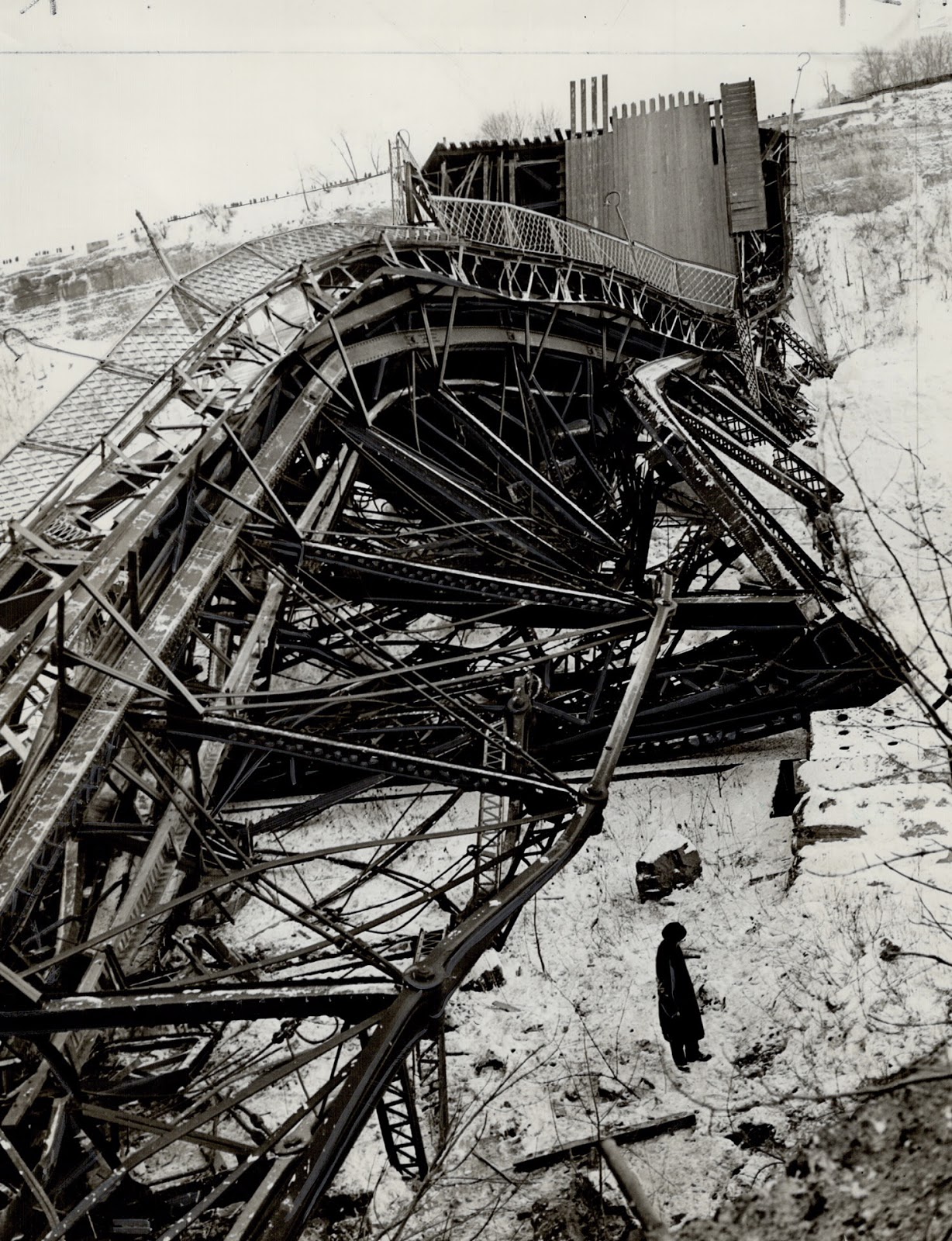
The end came at 4:20 p.m. on January 27th. After a final, mournful groan of steel, the great arch buckled. In a slow, terrifying shift, it crumpled inward and dropped into the jumble of ice below. Thousands on both shores watched, a collective gasp swallowed by the river’s endless roar. The miracle? No one was on it. The bridge died alone.
Click here to explore the fascinating Niagara Falls Ice Bridge phenomenon.
From Collapse to Creation
Its passing resolved an unspoken question. The Honeymoon Bridge had grown frail—its deck slick and dangerous, its lanes overwhelmed. The river had simply delivered the final argument. The response was not despair, but a smarter kind of ambition.
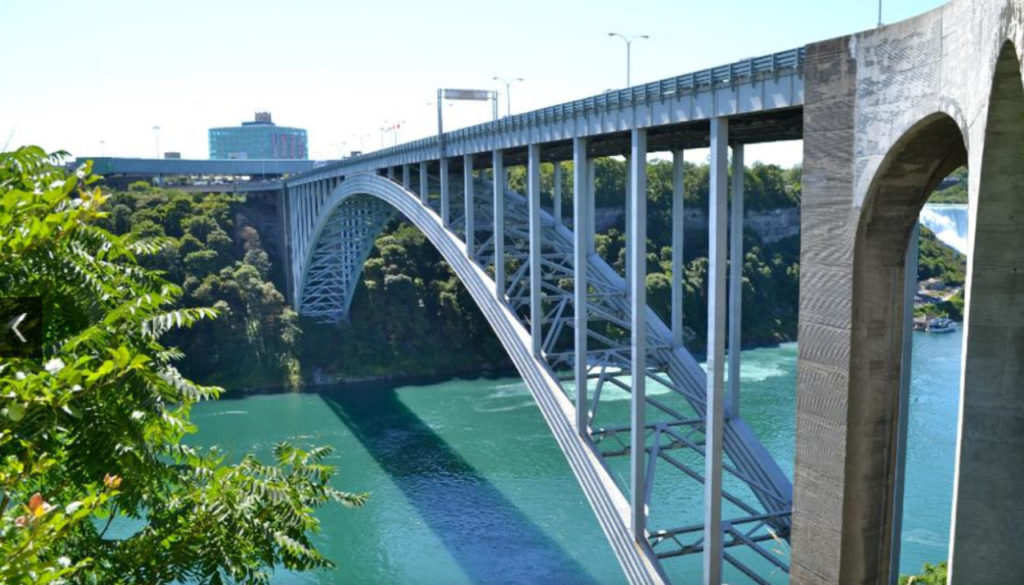
Planners looked upstream, about five hundred feet, to where the gorge walls stood higher and stronger. There, they built the Rainbow Bridge. Opened in 1941, it was everything its predecessor was not: elevated, rooted in bedrock, and designed with a deep respect for the ice and flood it would surely face. It is the graceful, steadfast phoenix that rose from the wreckage.
Experiencing Niagara Falls Today
You can still feel the echo of that day. Stand on the Canadian promenade and look downstream from the Rainbow Bridge. That empty space in the air, with only the river below, is where the Honeymoon Bridge once lived. In quiet archives, you can find the grainy black-and-white films of its fall—a silent testament to a different time.
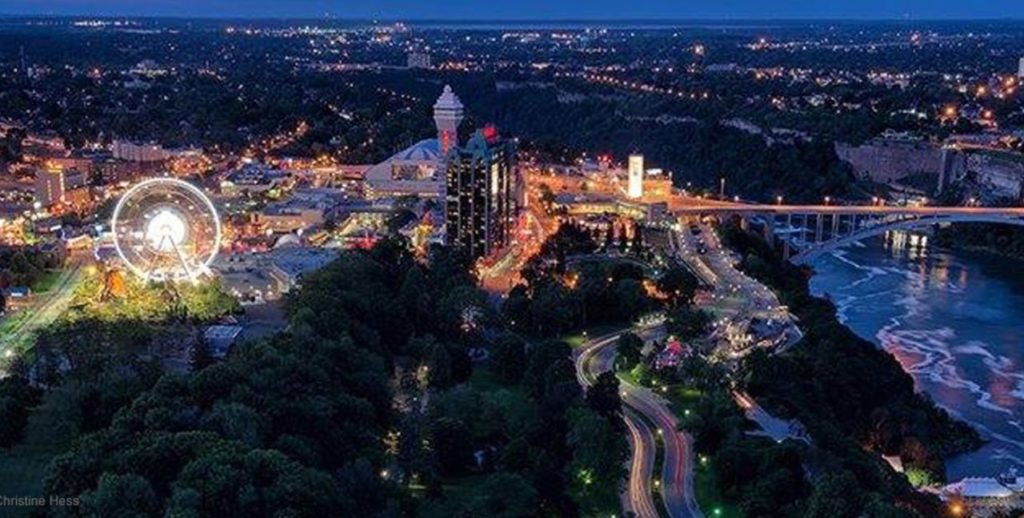
And just up the hill, the neon glow and buzz of Clifton Hill represent the vibrant future that grew around this history. It’s a celebration built, in part, on the resilience learned from a catastrophe.
A Defining Moment in Niagara Falls History
The story of the Honeymoon Bridge is Niagara’s parable. It’s about the cost of wonder and the price of a good view. That collapse forced a humility into our blueprints, a lasting reminder that at Niagara, we are guests. The Rainbow Bridge stands today not as a monument to conquest, but to coexistence—a lesson forged in ice and steel, written permanently into the landscape of one of the world’s great wonders.