


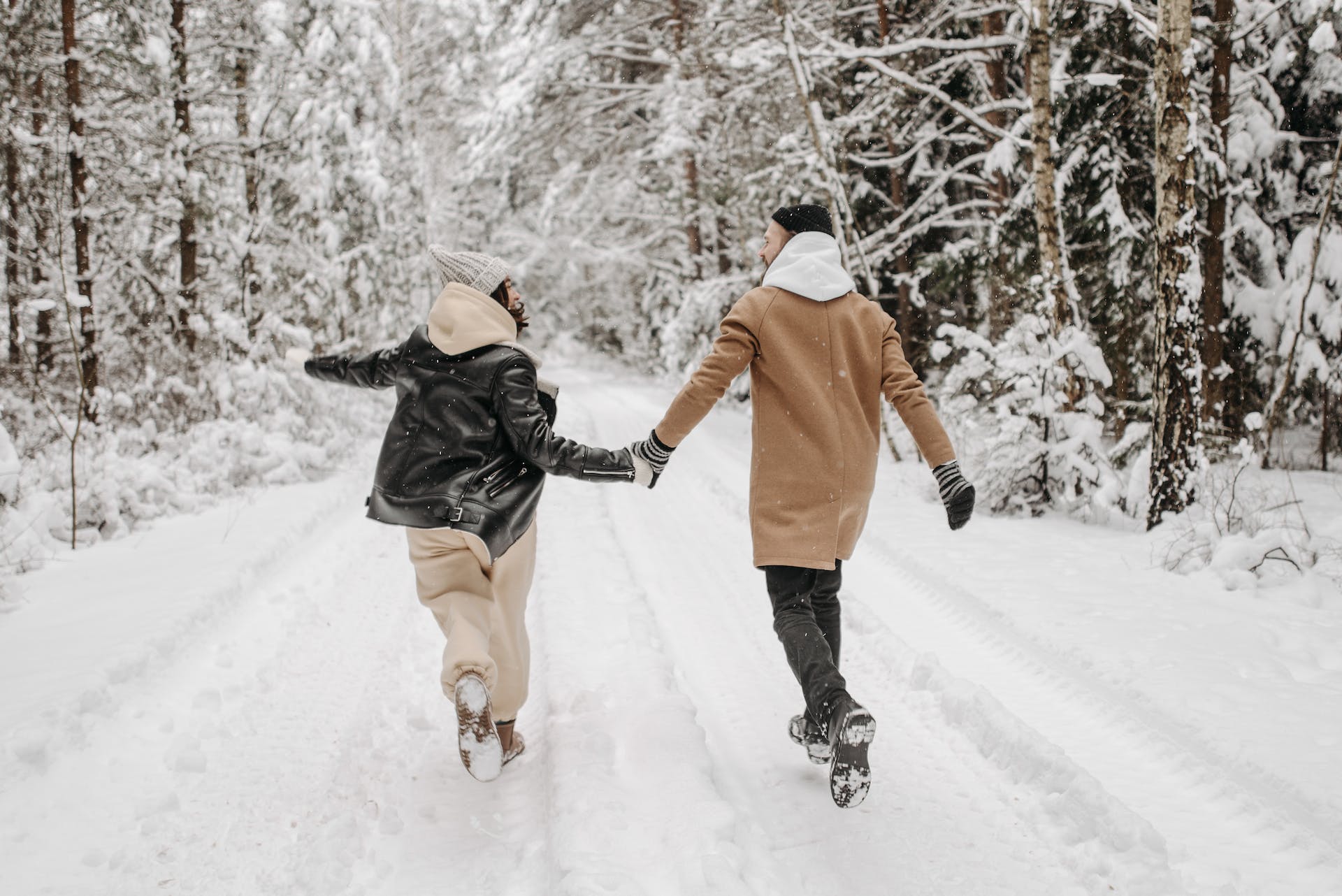

Niagara Falls in winter offers some of the most dramatic cold-weather scenery in North America. As mist rises from the Falls and freezes midair, trees and railings become encased in ice, pathways glisten with frost, and illuminated water reflects against snow-covered landscapes. The season creates ideal conditions for romantic winter photography, particularly from viewpoints along the Niagara Parkway and near Clifton Hill, where elevated perspectives add depth to sweeping views.
- Horseshoe Falls at Table Rock
- Niagara Falls Illumination
- The Niagara SkyWheel
- Dufferin Islands
- Niagara Parkway
- Niagara-on-the-Lake
- Queenston Heights Park
- Niagara Falls State Park (New York Side)
- What Is the Best Time to Photograph Niagara Falls in Winter?
- Is Niagara Falls Worth Visiting in Winter?
- Practical Notes for Your Visit
For couples, photographers, and winter travelers, these locations consistently provide the most striking backdrops.
Horseshoe Falls at Table Rock
Horseshoe Falls is the most powerful and visually commanding section of Niagara Falls, and Table Rock places visitors closest to its edge. Approximately 2,800 cubic meters of water plunge over the brink every second, generating mist that crystallizes on surrounding surfaces in freezing temperatures.
In winter, ice formations build along the railings and rock ledges, softening the landscape into sculptural shapes. Early morning light creates contrast between pale sky and deep blue water, while late afternoon casts a subtle glow across the frozen mist. The proximity makes this one of the most dramatic and intimate photo settings in Niagara Falls.
Niagara Falls Illumination
Niagara Falls has been illuminated nightly since 1925. Today’s LED system casts shifting colors across both the Horseshoe and American Falls, reflecting off ice-coated surfaces in winter months.
Photographing the Falls after dusk introduces layered light: colored water, white snowbanks, and dark winter sky. Long exposures emphasize movement in the cascading water while preserving the crisp outlines of frozen surroundings. Clear, cold evenings often produce the sharpest results.
The Niagara SkyWheel
The Niagara SkyWheel offers one of the most comprehensive winter views of Niagara Falls. Located at the base of Clifton Hill, the climate-controlled gondolas rise approximately 175 feet above the entertainment district, providing a panoramic perspective of the Falls, the Niagara River, and the surrounding skyline.
From this height, photographers capture a rare combination: illuminated Falls framed by snow-covered rooftops and the winding Parkway below. Evening rides are particularly striking when city lights contrast against the icy landscape. The elevated vantage point adds depth and scale that ground-level viewpoints cannot replicate.
Dufferin Islands
Dufferin Islands sits a short distance south of the main Falls viewing areas. This 10-acre collection of small, interconnected islands offers quiet footpaths, wooden bridges, and tree-lined water channels.
In winter, snow blankets the landscape, muting sound and creating an atmosphere suited to intimate portraits. The absence of heavy pedestrian traffic makes it ideal for couples seeking softer compositions away from the central tourist corridor.
Niagara Parkway
The Niagara Parkway runs alongside the Niagara River and connects many of the region’s most photogenic viewpoints. Often described as one of Ontario’s most scenic drives, it offers uninterrupted views of frozen riverbanks, the Niagara Whirlpool, and historic sites such as Fort George.
Winter light enhances texture along the water’s edge, and frost-covered branches frame long river vistas. Many photographers use the Parkway to transition between locations while capturing layered river perspectives.
Niagara-on-the-Lake
Located roughly 25 minutes north of the Falls, Niagara-on-the-Lake introduces historic architecture and small-town charm into winter compositions. Snow-dusted 19th-century buildings, boutique storefronts, and quiet residential streets create a storybook setting.
The contrast between the dramatic scale of Niagara Falls and the refined character of this lakeside town offers visual variety within a single winter photography itinerary.
Queenston Heights Park
Queenston Heights Park rises above the Niagara River and provides elevated views of the surrounding escarpment. Brock’s Monument, honoring Major General Sir Isaac Brock, stands prominently against the winter sky.
The monument’s stone structure contrasts sharply with snow-covered grounds, offering both historical context and strong vertical composition. The higher elevation often produces crisp winter air and broad landscape framing.
Niagara Falls State Park (New York Side)
On the American side, Niagara Falls State Park provides alternate angles of both the American and Bridal Veil Falls. Winter ice accumulates along the shoreline and walkways, creating layered foreground interest.
This vantage point delivers wide, open perspectives of the frozen gorge and surrounding cliffs. Cross-border visitors often incorporate both sides of the Falls into a single winter photography plan for maximum variety.
What Is the Best Time to Photograph Niagara Falls in Winter?
The most favorable winter conditions typically occur during extended cold stretches when mist freezes consistently along railings and trees. Early morning offers softer light and fewer visitors. Dusk introduces illumination and color contrast.
Clear evenings following snowfall often provide the sharpest atmospheric conditions.
Is Niagara Falls Worth Visiting in Winter?
Niagara Falls in winter appeals to travelers seeking dramatic scenery and fewer peak-season crowds. Ice formations reshape familiar viewpoints into entirely different compositions. The combination of natural power and frozen stillness distinguishes winter from all other seasons.
Practical Notes for Your Visit
Winter photography at Niagara Falls requires preparation. Temperatures near the Falls often feel colder due to mist and wind exposure. Layered clothing, insulated footwear, and gloves suitable for camera use improve comfort and stability.
Protect camera equipment from moisture buildup. Lens cloths and weather-resistant covers help prevent freezing condensation. Allow equipment to adjust gradually when moving between indoor and outdoor environments.
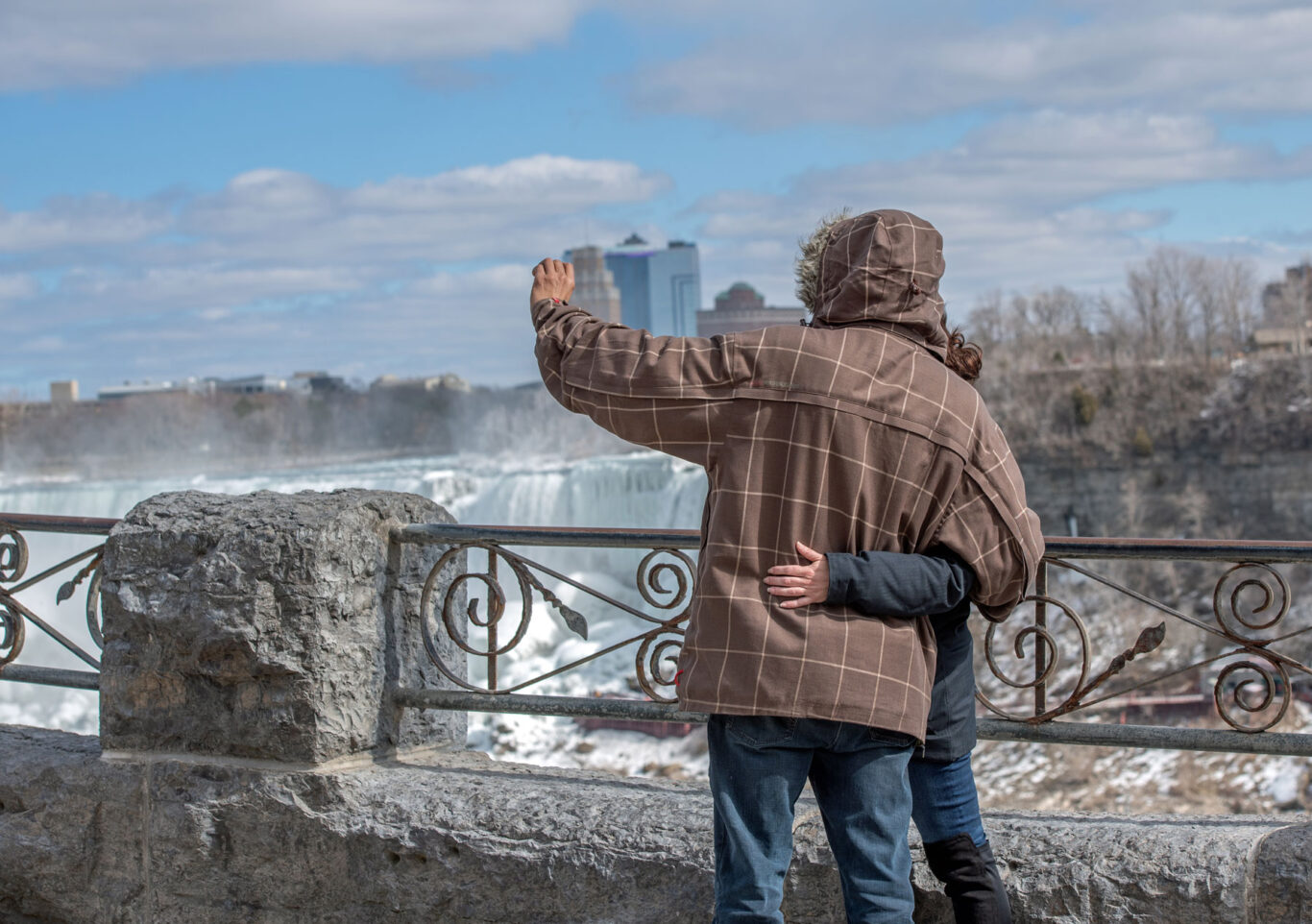
Plan movement between locations thoughtfully. Many winter photo spots—including Table Rock, the Niagara SkyWheel, and sections of the Niagara Parkway—are within a compact area near Clifton Hill and Queen Victoria Park, allowing efficient transitions without extensive driving.
Niagara Falls in winter rewards patience and timing. Ice formations shift daily based on temperature, wind direction, and water flow. For photographers and couples alike, the season offers a distinct atmosphere defined by clarity, contrast, and scale.
The result is a landscape that feels both powerful and refined—an ideal setting for capturing romantic winter images that stand apart from peak summer scenes.