



A stretch of bright, sunny days is setting the tone for spring in Niagara Falls, with clearer skies and milder temperatures expected to settle in through the coming week. As the air warms and daylight extends into the evening, the landscape responds quickly—buds open, colours intensify, and the Niagara Parkway begins its seasonal transformation. This is the point in the calendar when the region shifts from early signs of spring into full visual expression, making it one of the most rewarding times to plan a visit.
Set against the constant motion of the falls, this progression of blooms creates a layered experience that evolves day by day. Timing remains important, but the coming period offers increasing consistency for those looking to experience Niagara Falls at its most vibrant.

The Landscape in Bloom
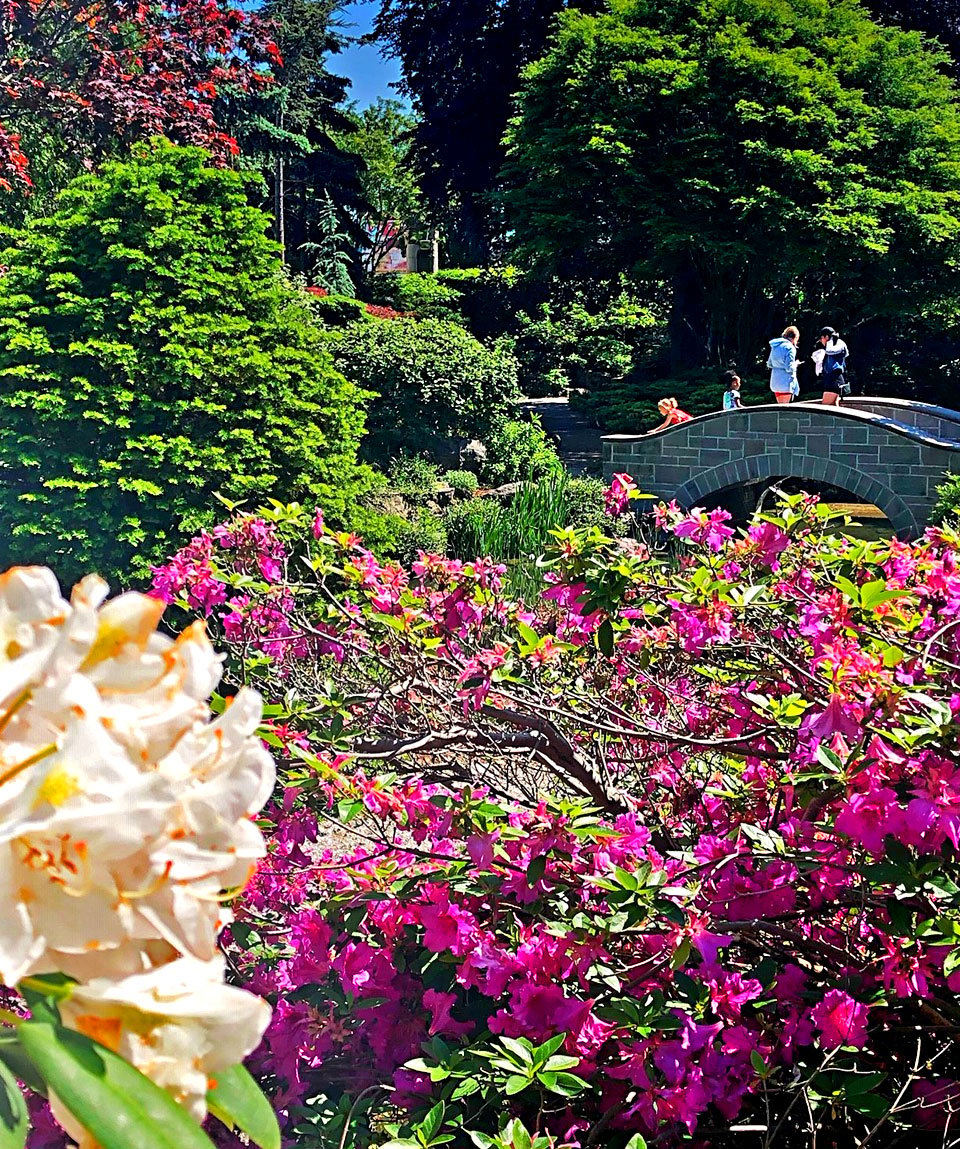
The Niagara River corridor, maintained by Niagara Parks, is designed to unfold gradually through spring. Plantings are distributed across elevations and exposures, allowing blooms to emerge in sequence rather than all at once.
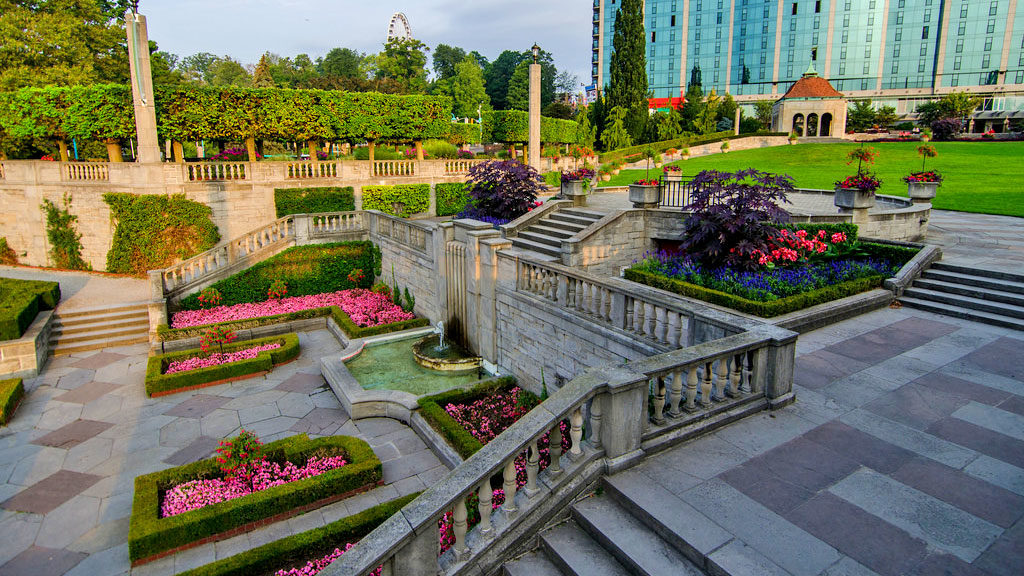
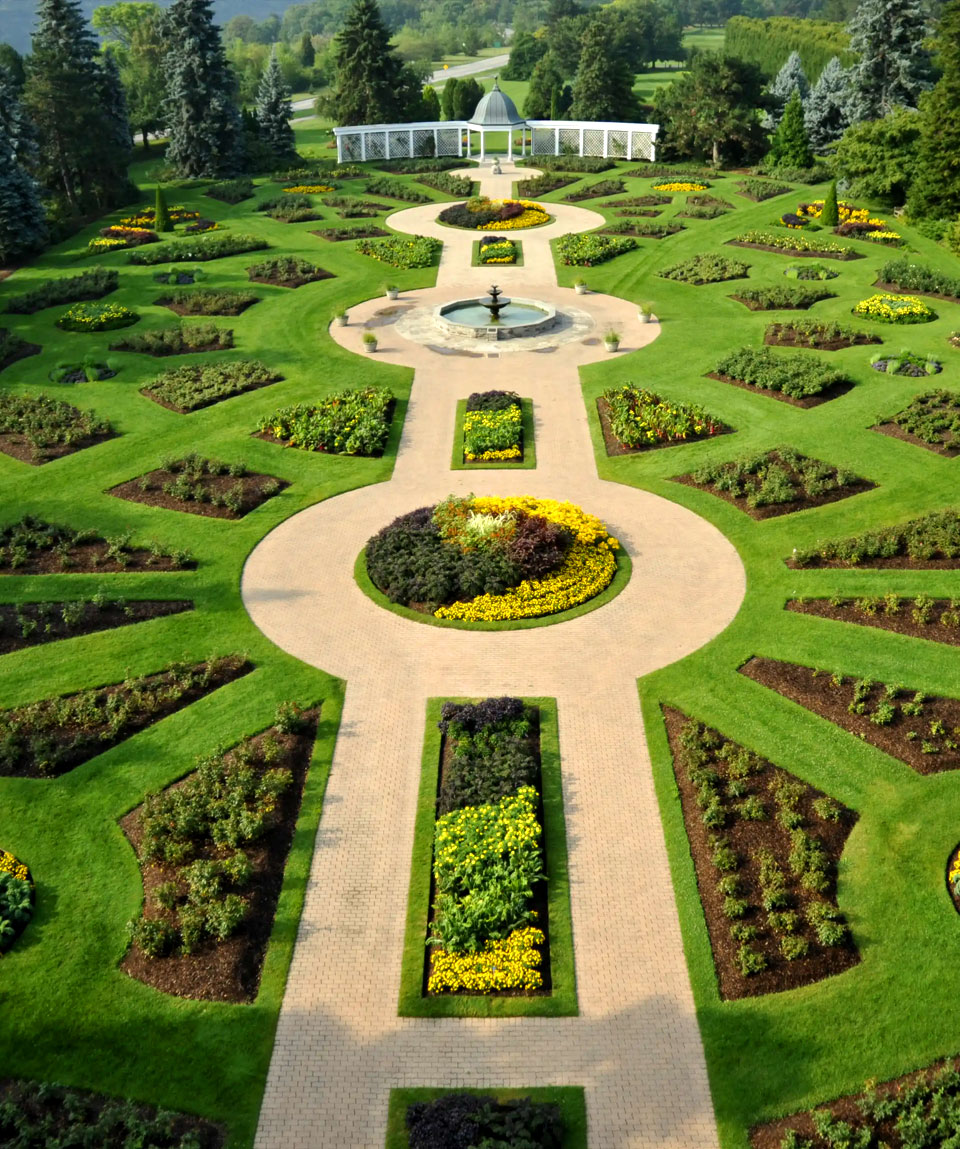
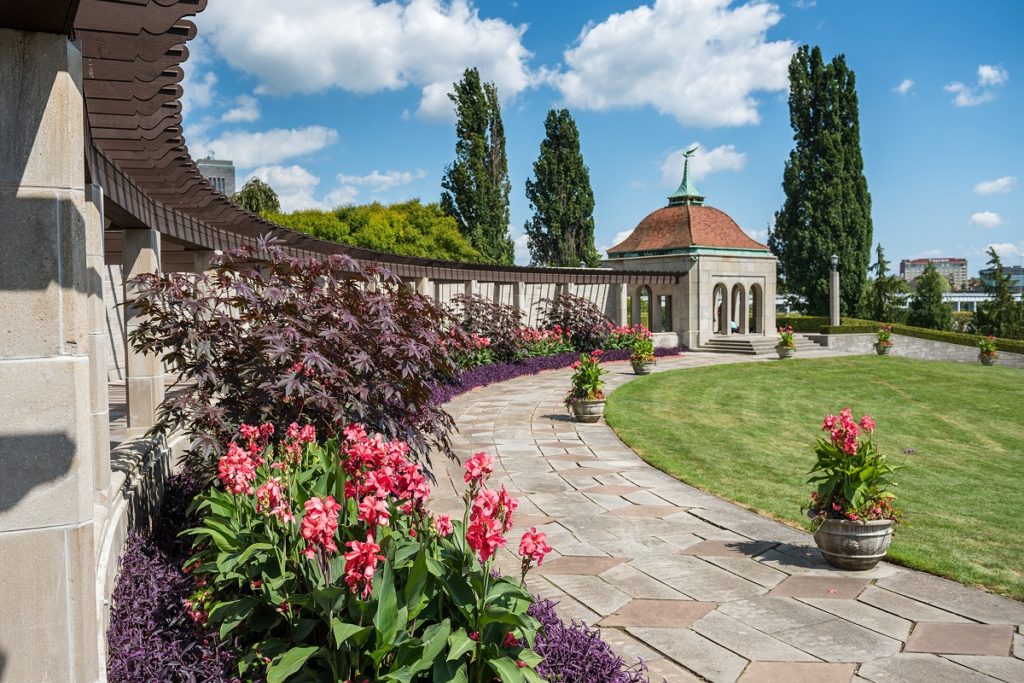
At the centre is Queen Victoria Park, where formal beds and open lawns frame views of the Horseshoe Falls. Nearby, Oakes Garden Theatre offers structured terraces with geometric plantings. Farther along, the Niagara Parks Botanical Gardens expands the experience with curated collections and mature trees that bloom later in the season.
Early Spring: Daffodils and the First Colour
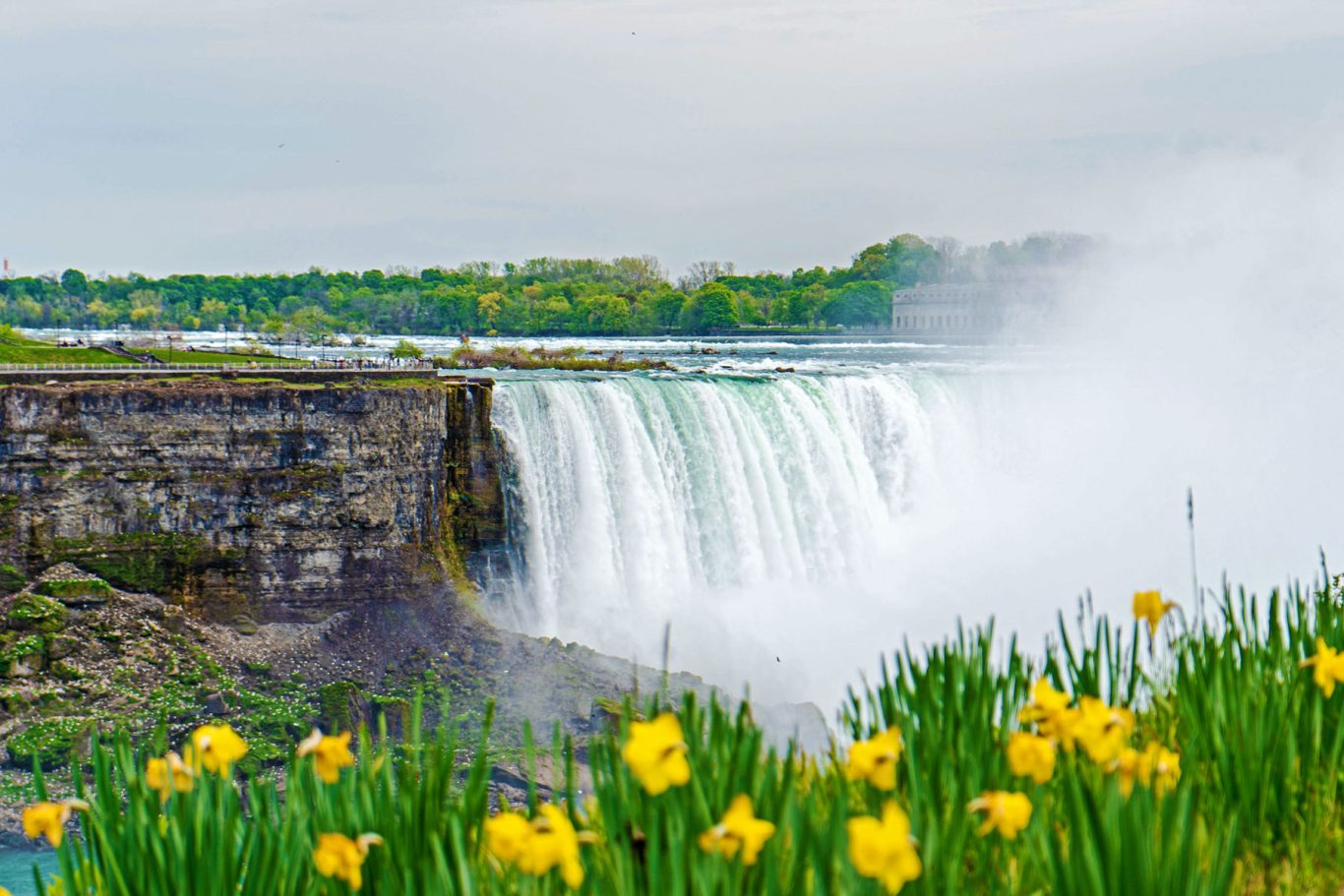
By mid-April, daffodils establish the first widespread colour. Large naturalized clusters appear along the Niagara Parkway and near the brink of the falls, particularly between Clifton Hill and Murray Street. These plantings follow the contours of the land, creating sweeping bands of yellow that shift with the terrain.
Early May: Tulips and Structured Displays
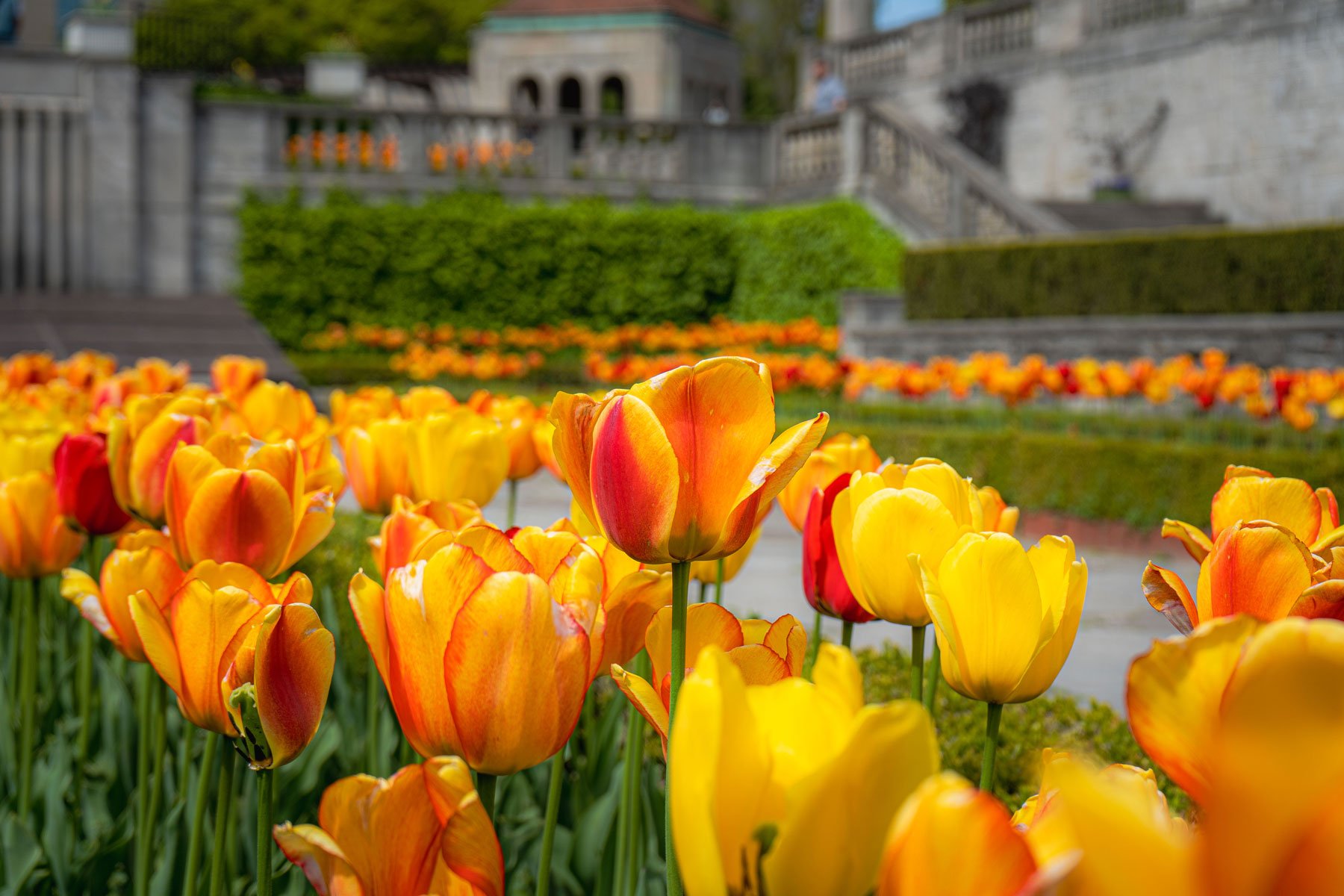
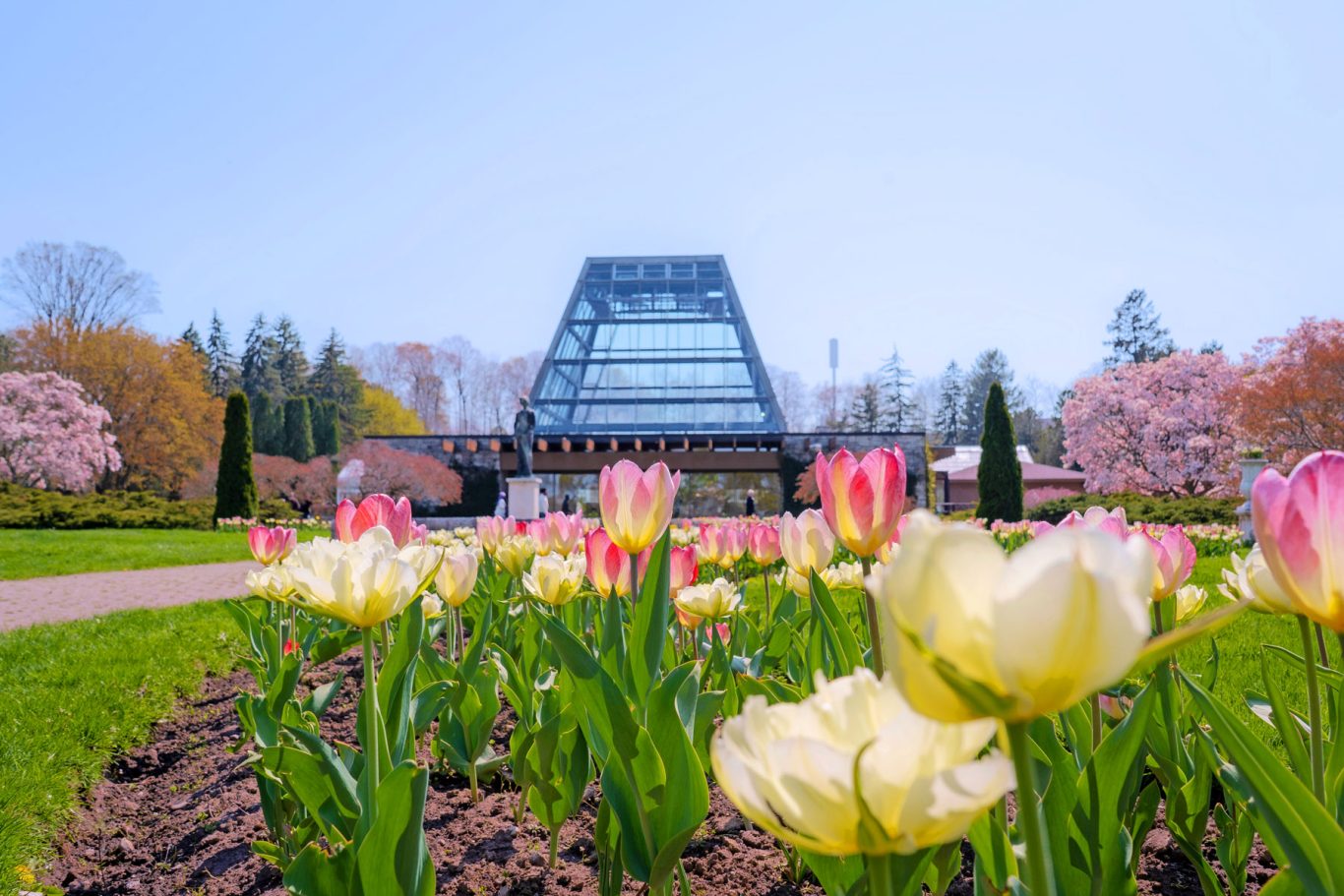
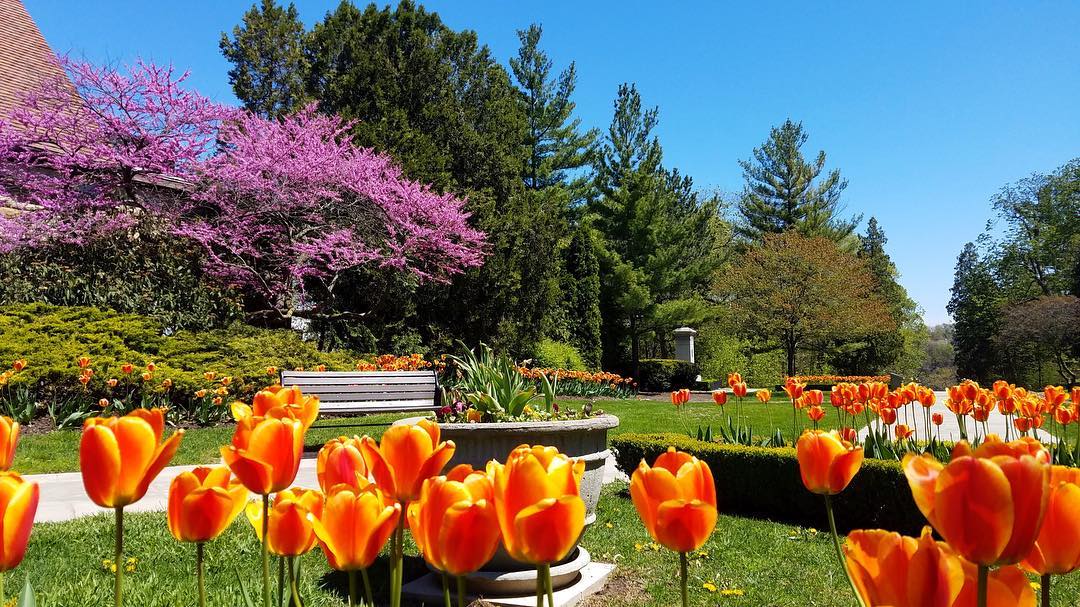
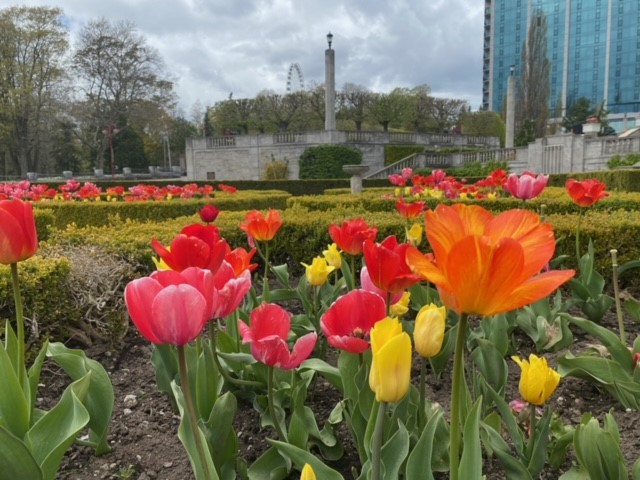
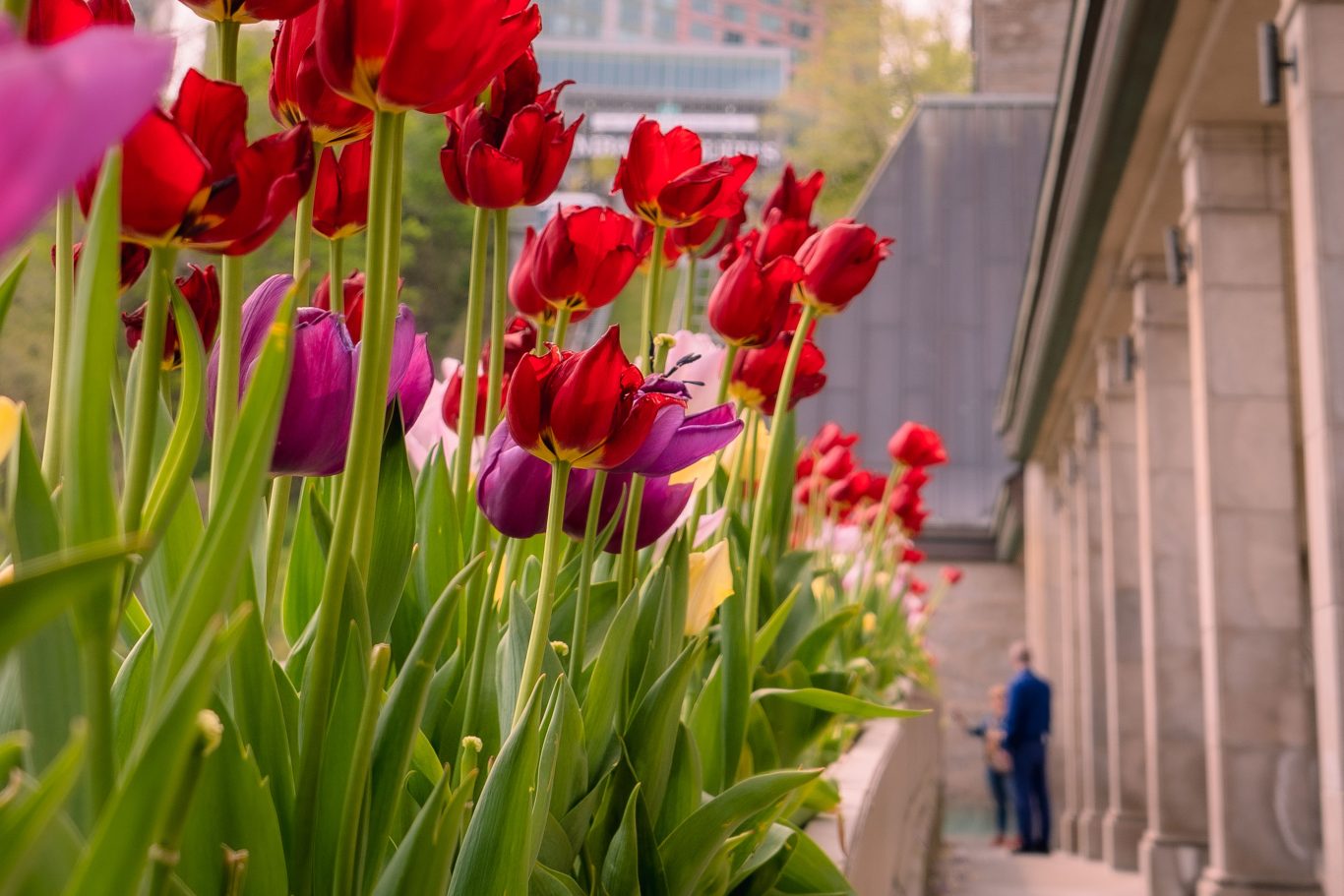
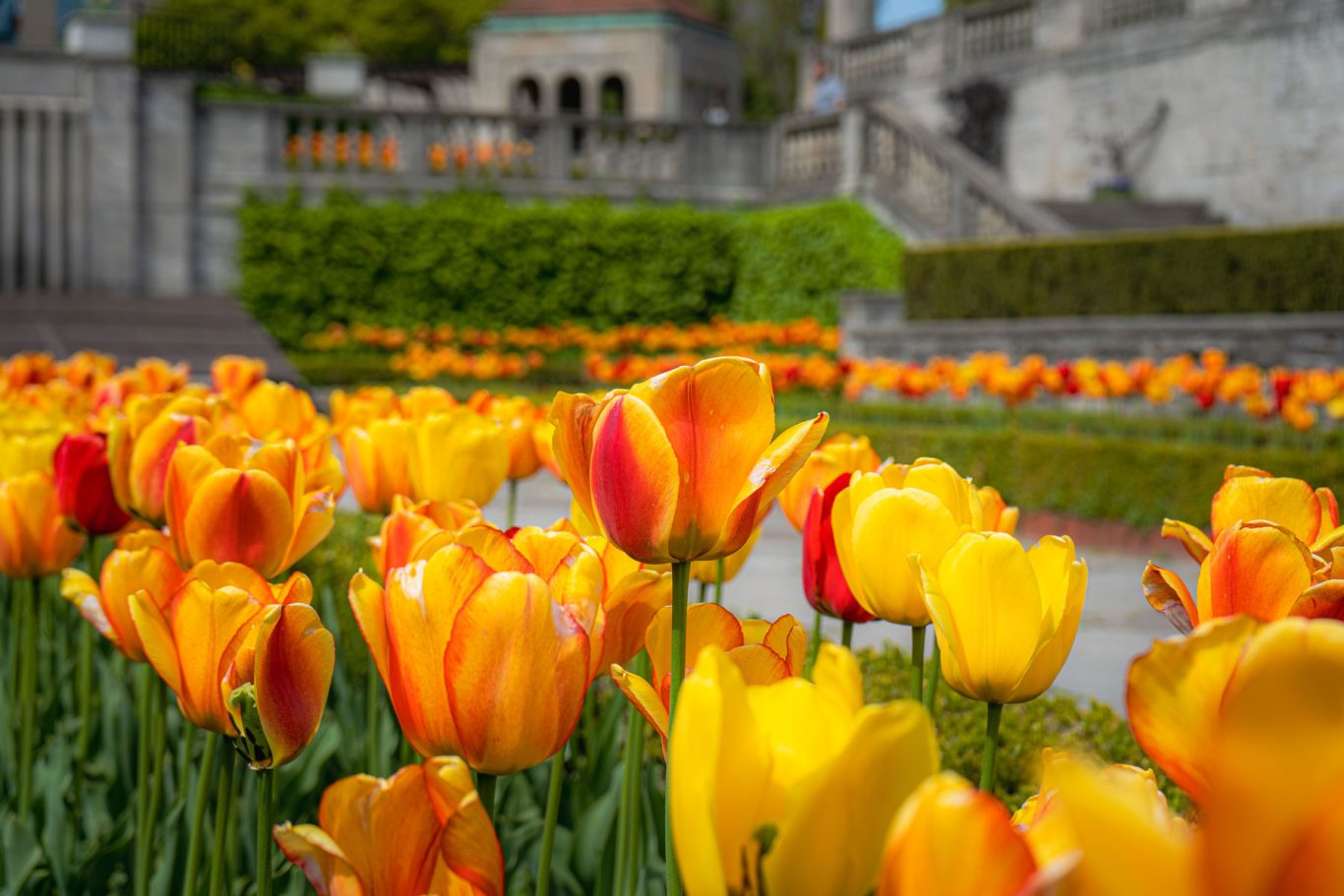
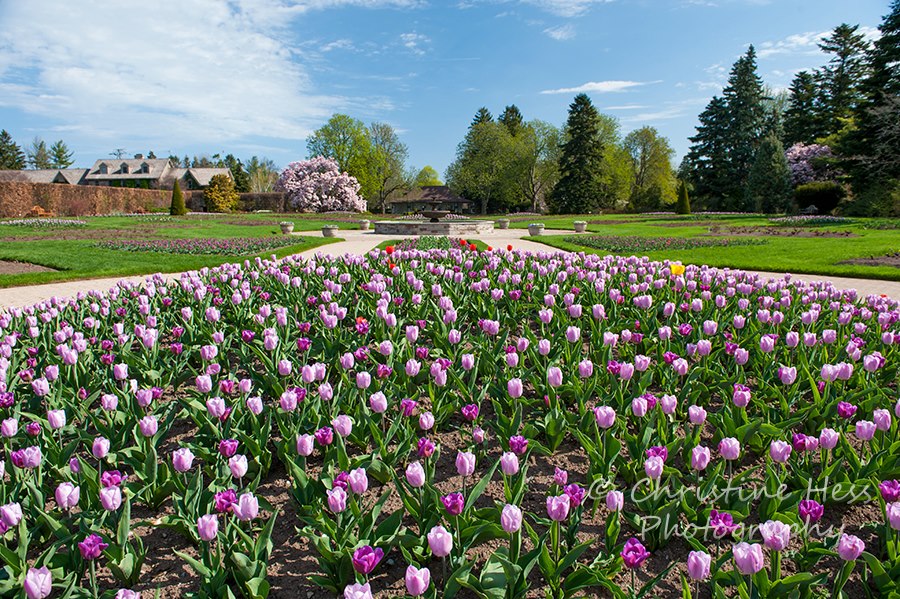
Tulips typically emerge in early May, with peak colour often aligning with the period around Mother’s Day. Displays become more formal and patterned, especially at Floral Clock and Queenston Heights Park, where elevation allows for expansive plantings.
Mid-May: Magnolias and Cherry Blossoms
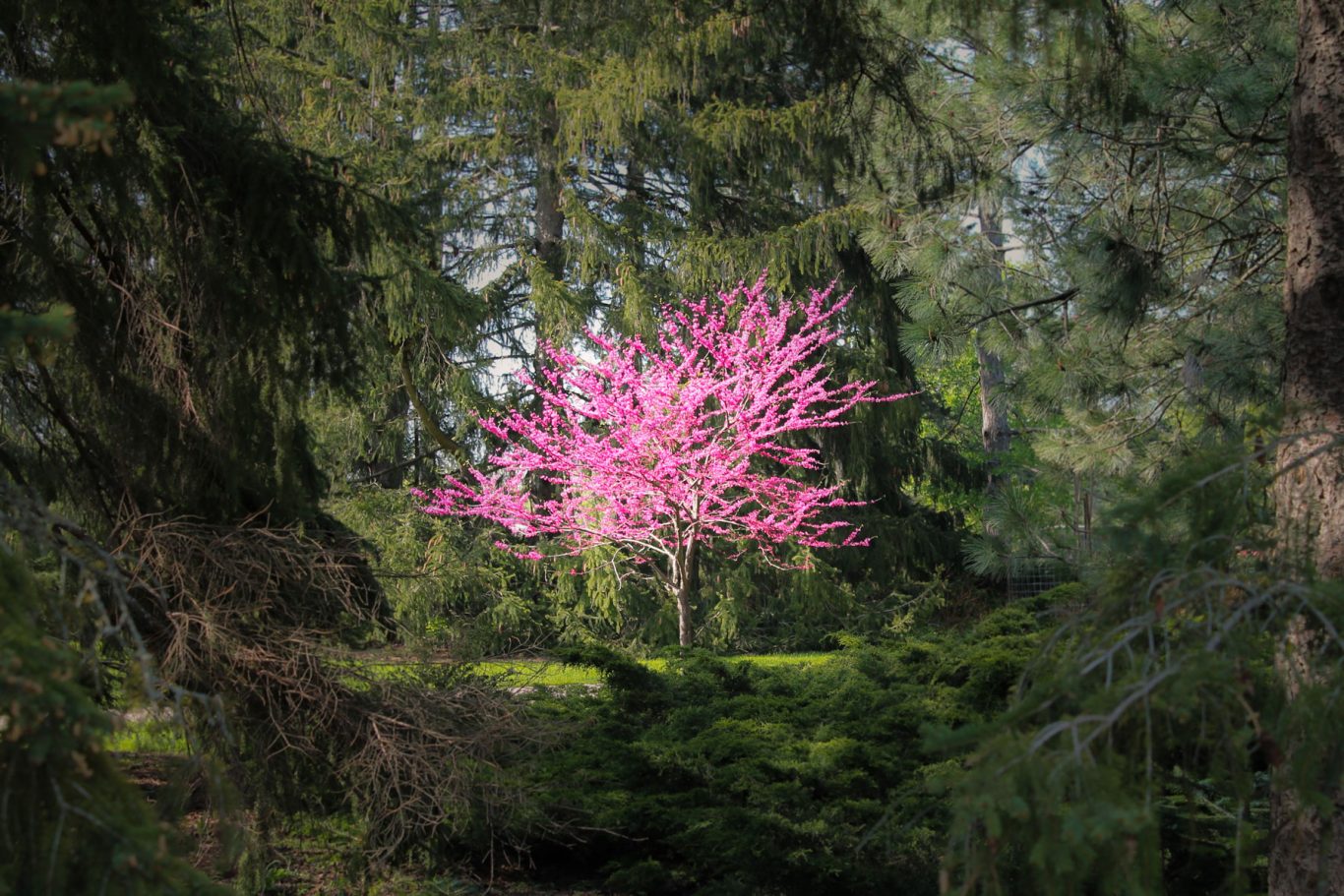
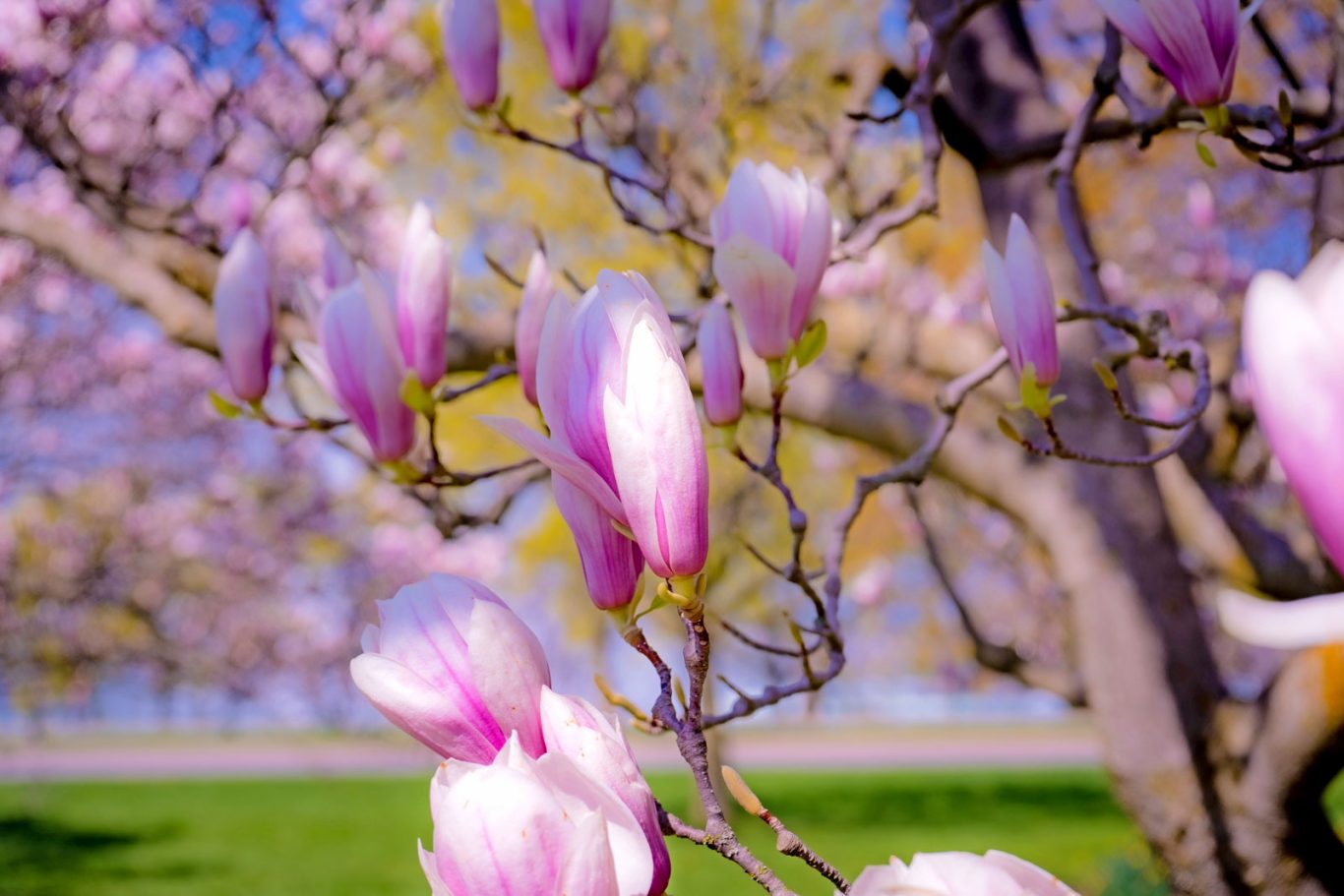
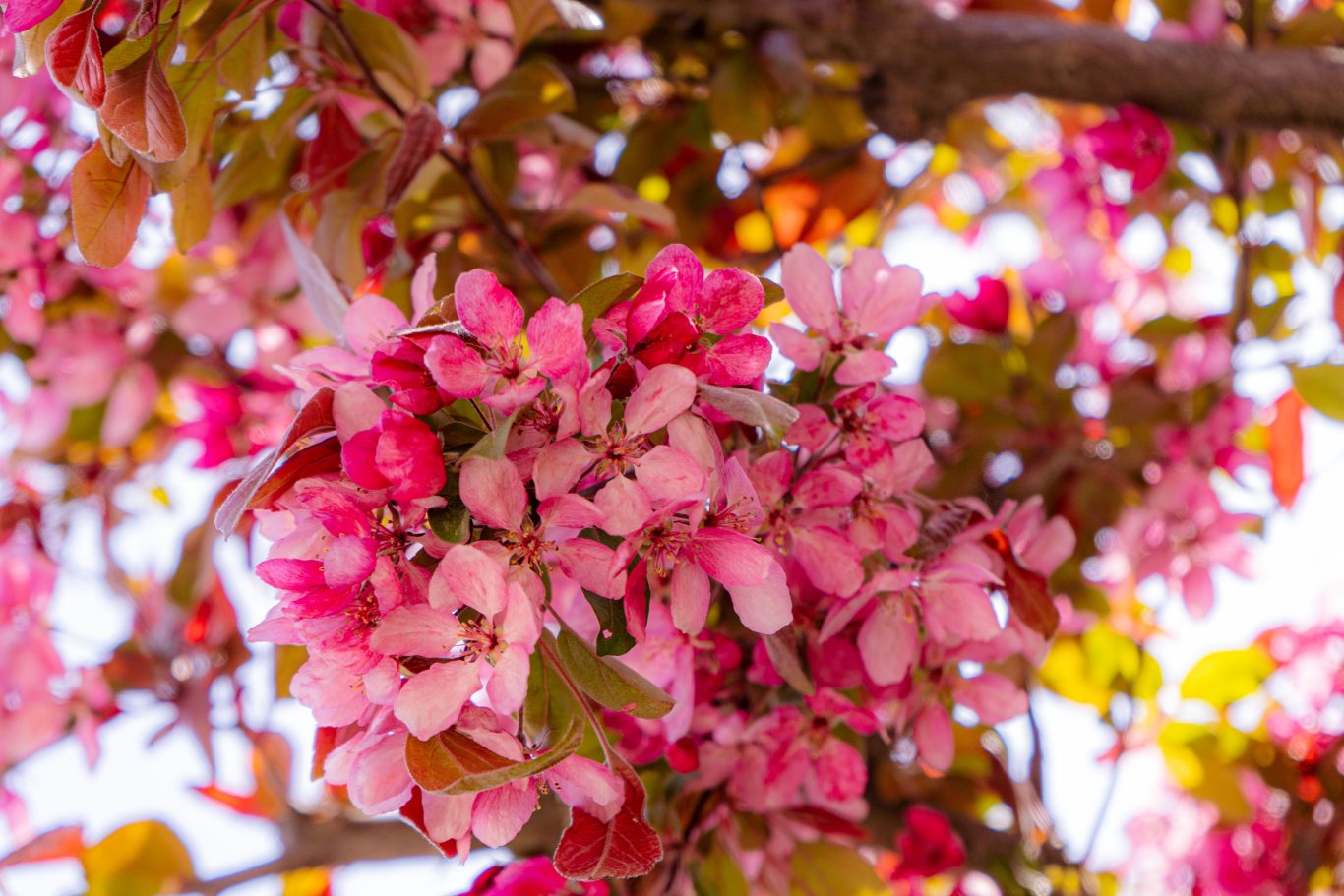
Magnolias and cherry blossoms follow, typically in mid-May. These blooms are shorter-lived but visually distinct, forming soft canopies along the Niagara Parkway and near the Floral Showhouse. Their timing depends heavily on temperature stability, making them one of the more variable highlights of the season.
Cherry Blossoms
Most cherry trees are situated along the Niagara Parkway at Kingsbridge Park, Falls Parking Lot, Rapidsview Parking Lot, Queenston Heights Park (picnic field), and near the entrance of the Botanical Gardens.
Late Spring: Lilacs and Roses
By late May into June, lilacs introduce fragrance to garden areas, followed by the first bloom cycle of roses. This phase transitions the landscape toward early summer, with fuller gardens and deeper colour variation across Niagara Parks.
In the blooming calendar, you can find more information about the bloom timeframe and location of each flower, including Daffodils, Tulips, Magnolias, Cherry Trees, Lilacs, and Roses.
Blooming Calendar
Please keep in mind that the bloom timeframes we provide are approximate, and the placement and variety of the flowers can affect the bloom periods. Our bloom chart was last updated in 2023, so check it out and plan your visit accordingly to see the most spectacular display of colors!
| BLOOM | BLOOM TIMEFRAME | LOCATION |
|---|---|---|
| DAFFODILS | Throughout April (usually peak mid-April) | You can find extensive clusters of daffodils near the Canadian Horseshoe Falls, along the Queen Victoria Park bank stretching from Clifton Hill to Murray Street, and also in other smaller sections of Niagara Parks. |
| TULIPS | Usually some starting to show colour first of May, peaking around Mother’s Day | The blooming of tulips is affected by their location, variety, and weather conditions. They can be found in significant numbers throughout popular areas in Niagara Parks such as Queen Victoria Park, Oakes Garden Theatre, Botanical Gardens, Floral Clock, and Queenston Heights. |
| MAGNOLIAS | Early to mid-May | You can spot Magnolia Allée blooming outside of the Floral Showhouse, in front of the Niagara Parks Police building, and see several large magnolia specimens at the Botanical Gardens. |
| CHERRY TREES | Mid to late-May | Cherry trees can be found at various locations such as Kingsbridge Park, Falls Parking Lot, Rapidsview Parking Lot, picnic field at Queenston Heights Park, and near the entrance of the Botanical Gardens, all of which are situated along the Niagara Parkway. |
| LILACS | Third or fourth week of May to early-June | Centennial Lilac Garden (North of Floral Clock) |
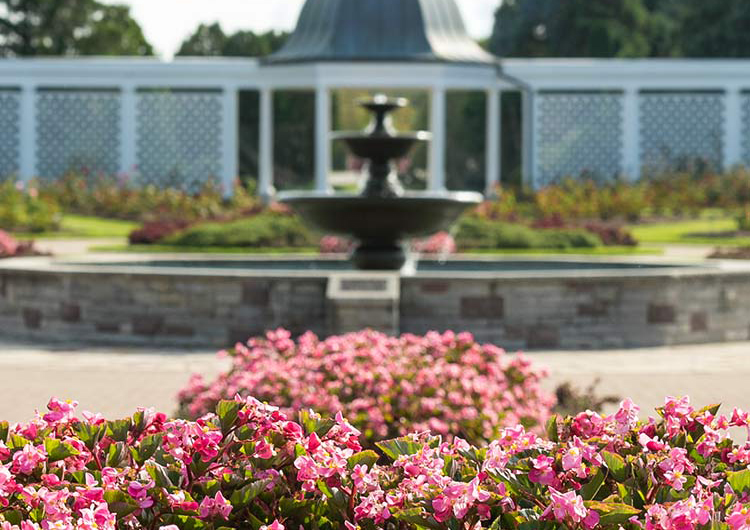
| ROSES | First flush of flowers in mid-June, continuing to bloom on and off through summer | Niagara Parks features two well-designed formal Rose Gardens: one located just south of the Police Station in Queen Victoria Park, and the other in the Botanical Gardens. In addition, you can also find other, more casual beds of roses in various areas throughout Niagara Parks. |
By exploring Niagara Falls in the springtime, you’ll be treated to a visual feast of these seasonal blooms in all their glory. The vibrant colors and sweet fragrances will fill the air, making your visit a truly sensory experience.


Clifton Hill and the Seasonal Balance
Steps from these gardens, Clifton Hill provides a different pace. In spring, lighter crowds and shorter wait times make attractions more accessible, particularly during weekdays. The close proximity to Queen Victoria Park allows for a natural transition between outdoor exploration and indoor entertainment within a single afternoon or evening.

Frequently Asked Questions
Mid-April through late May offers the most reliable progression of blooms. Daffodils appear first, followed by tulips in early May and flowering trees shortly after. Many visitors aim for mid-May when multiple bloom types can overlap.
Queen Victoria Park provides the most concentrated displays near the falls. Niagara Parks Botanical Gardens offers broader variety, while Oakes Garden Theatre is known for formal garden layouts.
Bloom timing is approximate and influenced by temperature, sunlight, and location. Warmer springs can accelerate blooms, while cooler conditions may delay them. Checking updated bloom reports shortly before visiting improves timing.
Yes. April and early May remain noticeably less crowded than summer. Weekends and holidays bring moderate increases, though overall conditions remain more manageable.
Morning visits along the Niagara Parkway provide the best lighting and fewer crowds. Afternoons are well suited for exploring Clifton Hill, with evenings offering a more relaxed pace for dining and attractions.
Conditions can vary, though the upcoming period is trending toward sunnier, more stable weather. Layered clothing is recommended, as mornings and evenings can remain cool even on clear days.
Yes. Major garden areas are connected by paved pathways and scenic routes, making them accessible on foot, by bike, or by short drives between locations.
Niagara Falls in spring unfolds in stages, shaped by weather, geography, and careful horticultural planning. With a stretch of favourable conditions ahead, the coming days offer a timely opportunity to experience the region as it moves into full bloom—where each visit reveals a slightly different version of the same landscape.