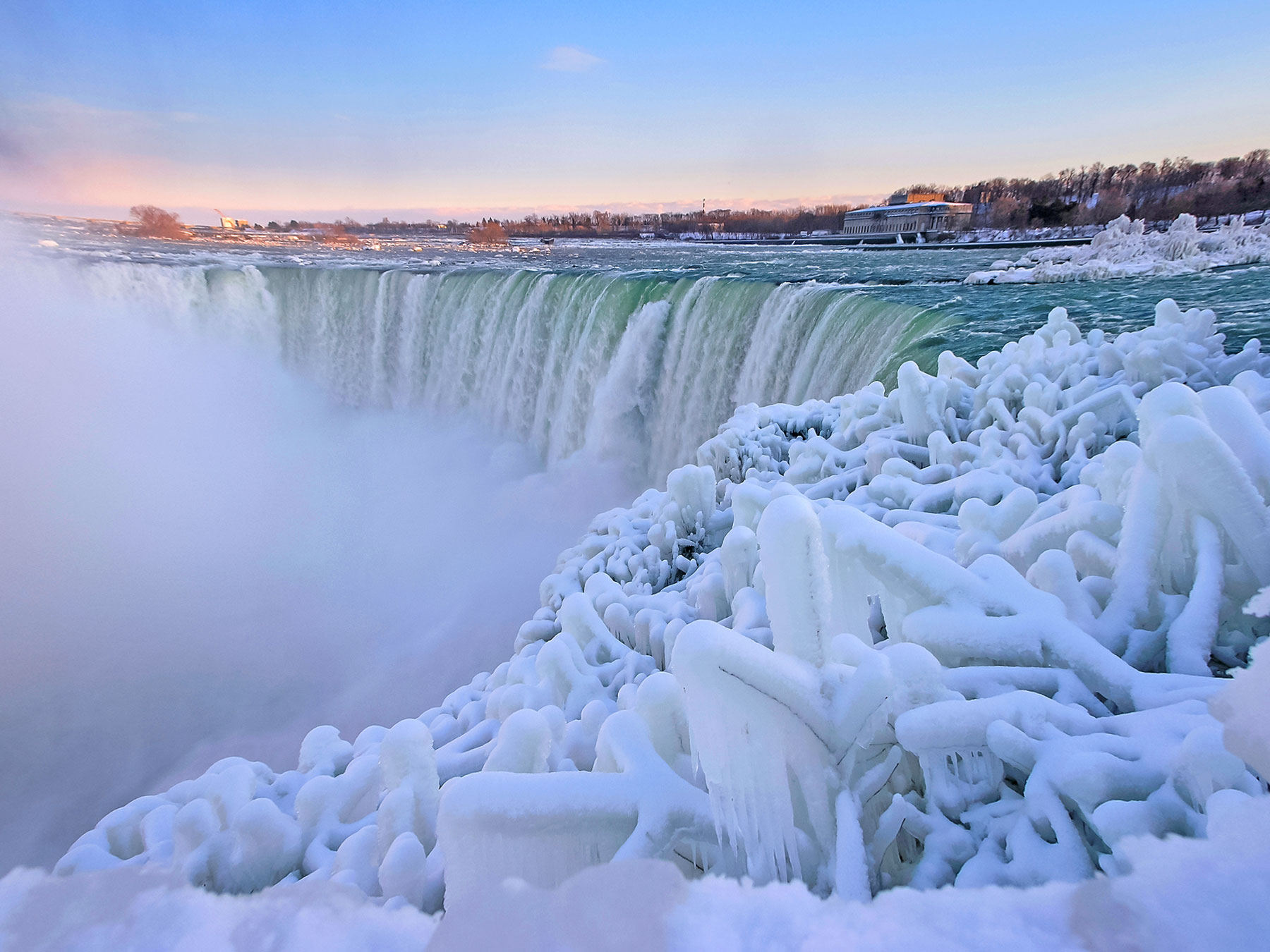

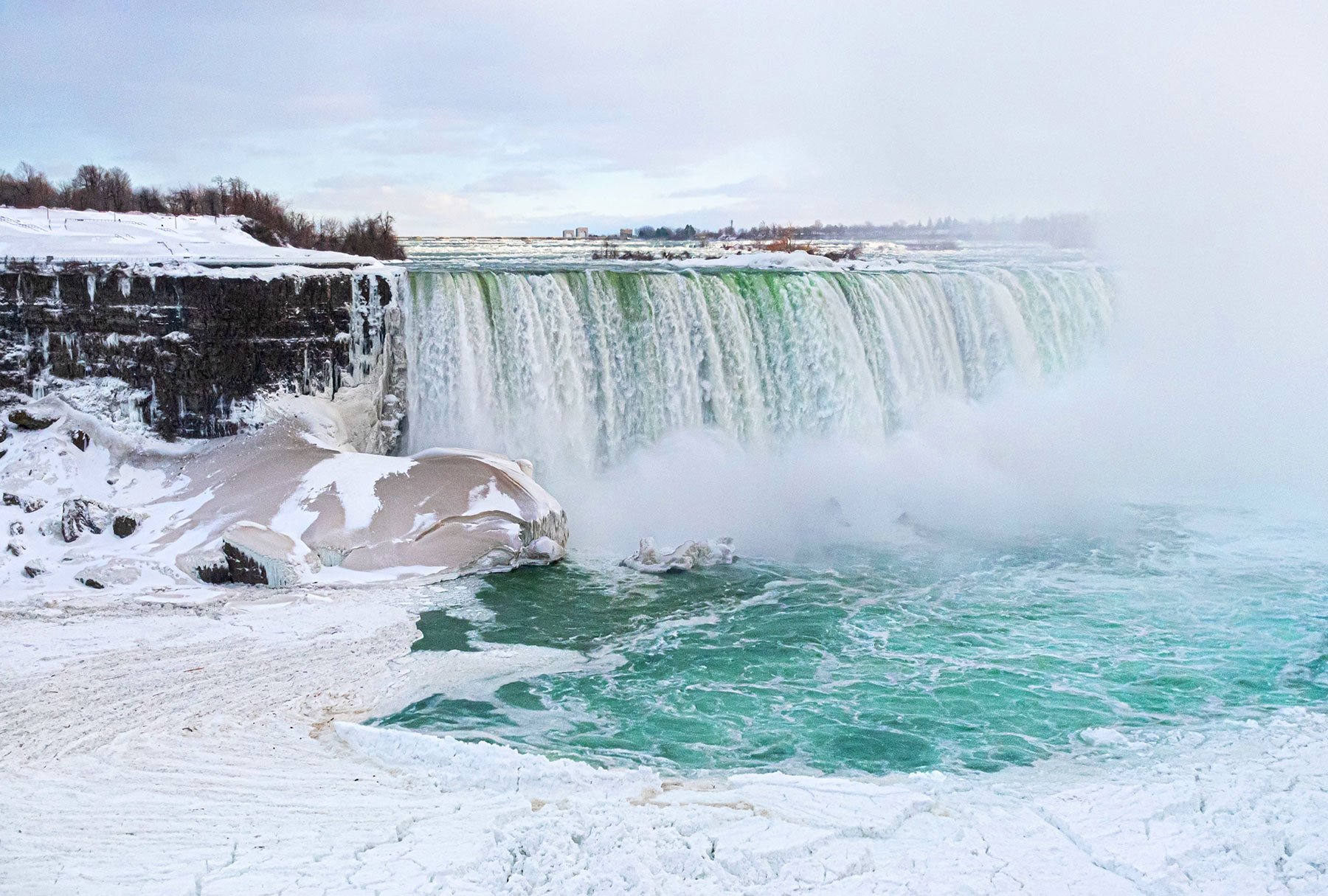

Ever see Niagara Falls in winter? It’s something else. When the deep cold sets in, the roaring water slows, dressing the cliffs in massive, glittering icicles. The whole place feels quieter, like a hidden, frozen kingdom.
Curious about how it all happens? Our Frozen Falls Quiz has the good stuff—like why the falls never truly freeze solid, how local wildlife adapts, and the cool history behind the ice bridges (and why they’re off-limits now!).
After you’ve soaked in the icy views, thaw out just minutes away on Clifton Hill. It’s the perfect counterpoint: think cozy pubs, fun indoor attractions, and enough neon to make the gray winter sky glow. Ready to explore both sides of a Niagara winter?
Results
You’re a Frozen Falls Pro! ❄️
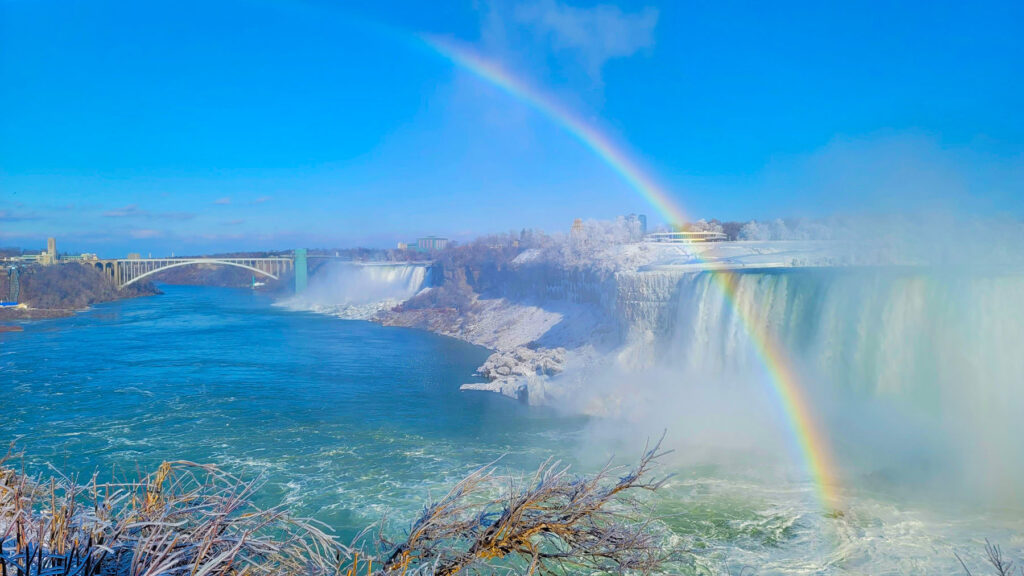
Nice work! You clearly know your Niagara Falls winter facts. From icy mist sculptures to sub-zero temperatures that transform the landscape, you understand what makes the Frozen Falls phenomenon so unforgettable.
When winter temperatures hover around freezing, the constant spray from the falls turns railings, rocks, and viewing platforms into natural ice art—while the powerful flow keeps the waterfalls roaring beneath the ice.
What this means:
You’re ready to experience Niagara Falls in winter like a local. Bundle up, bring your camera, and enjoy fewer crowds, dramatic ice formations, and illuminated winter nights on Clifton Hill.
👉 Next step:
Explore winter attractions, heated indoor fun, and seasonal events just steps from the falls.
Still Thawing Out… But You’re Almost There! ❄️
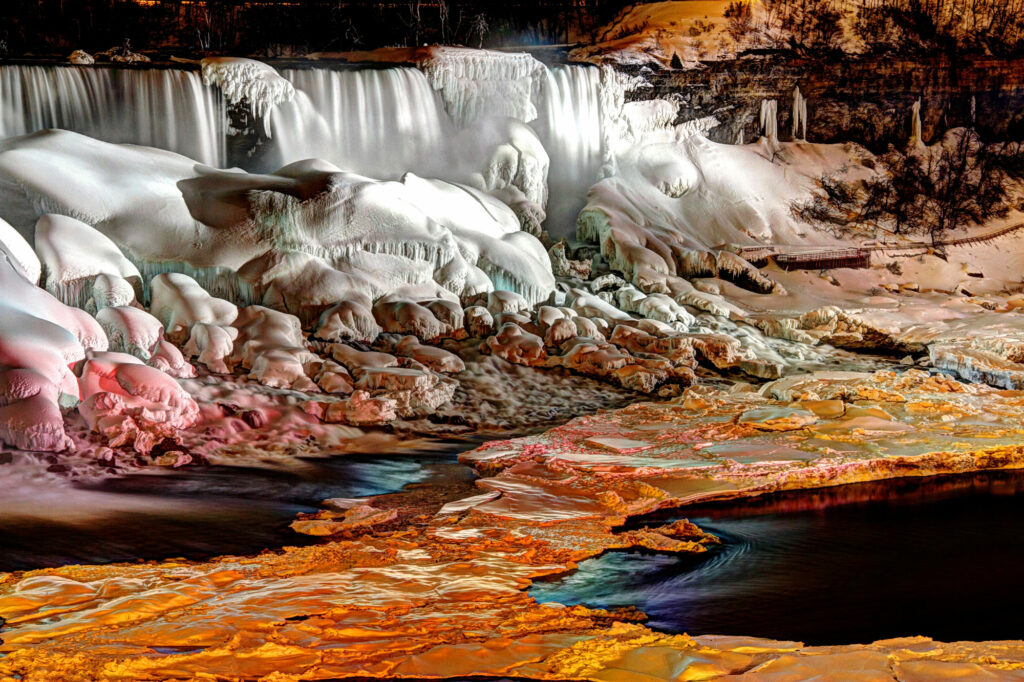
No worries—Niagara Falls winter trivia can be tricky! While the falls never freeze solid, winter temperatures and icy mist create stunning ice formations that look straight out of a frozen fairytale.
Most people are surprised to learn that the falls can partially freeze even when temperatures are only slightly below zero. It’s the combination of wind, mist, and sustained cold that creates those iconic ice buildups along the riverbanks and viewing areas.
What this means:
You’ve got a great excuse to learn more—and see it for yourself. Winter is one of the most dramatic and underrated seasons to visit Niagara Falls.
👉 Try again:
Brush up on your Frozen Falls facts and retake the quiz—or start planning a winter getaway to Clifton Hill to experience it firsthand.


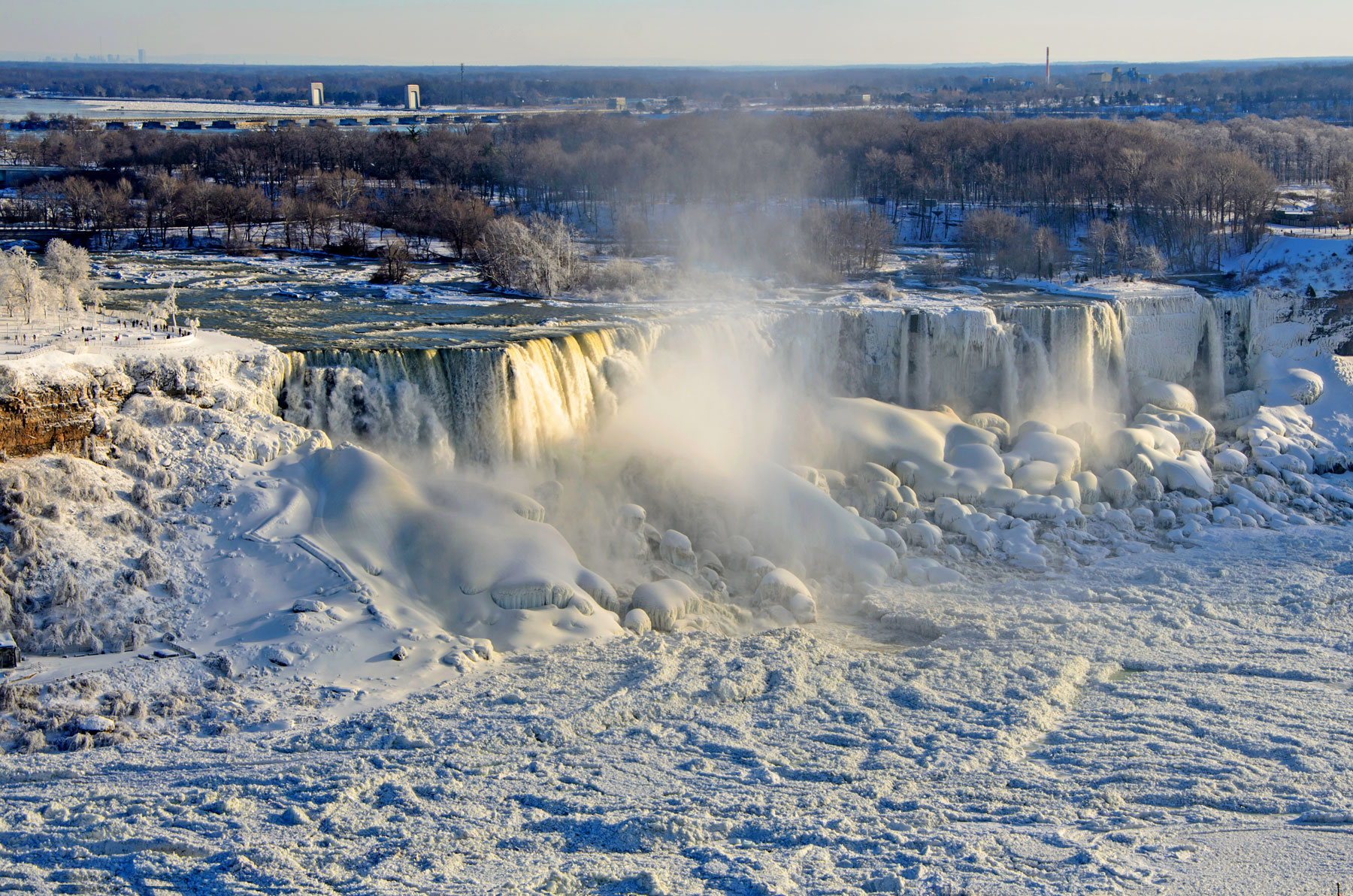
#1. During extremely cold winters, what additional frozen spectacle can be seen near Niagara Falls?
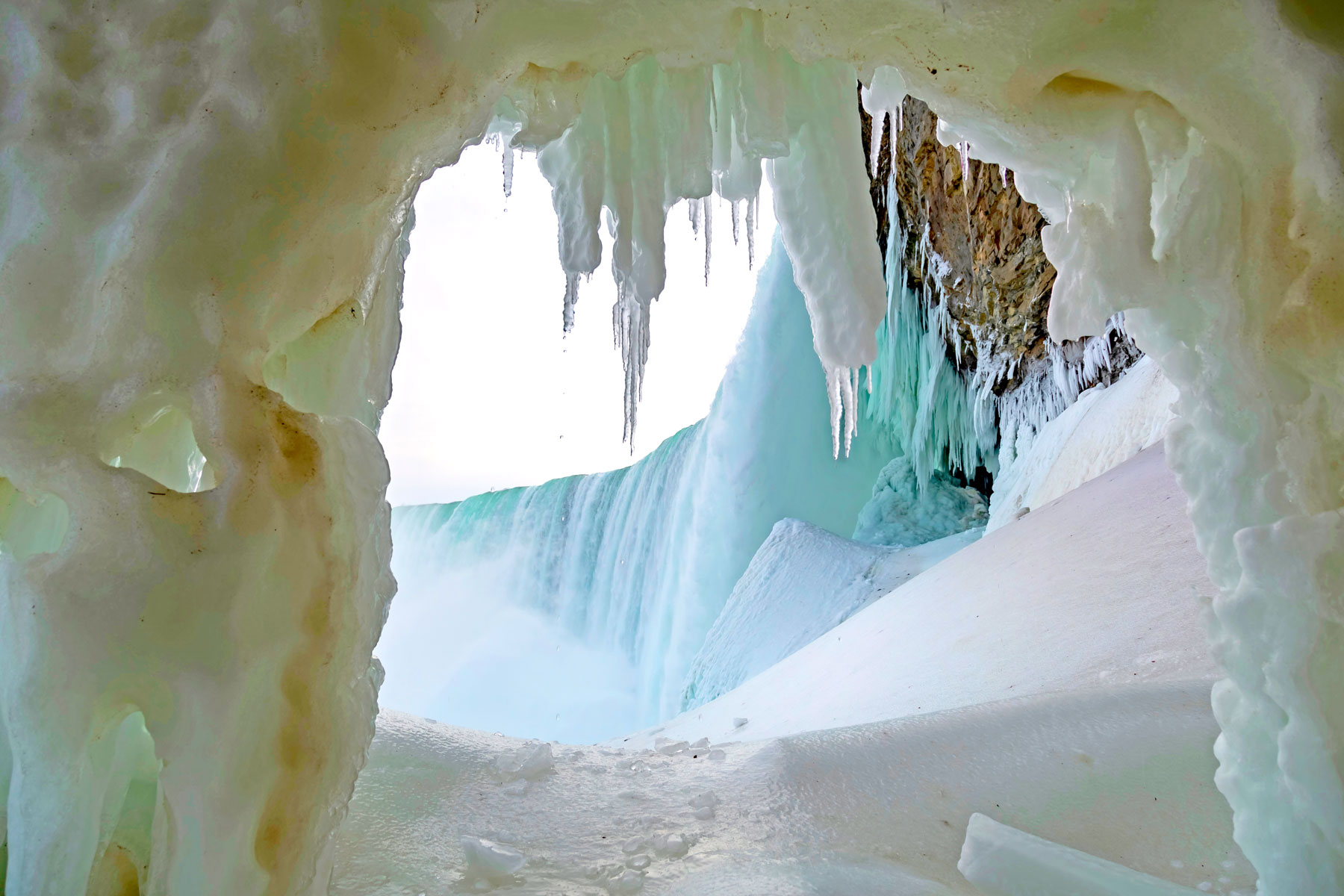
#2. What factor makes the freezing of Niagara Falls uncommon?
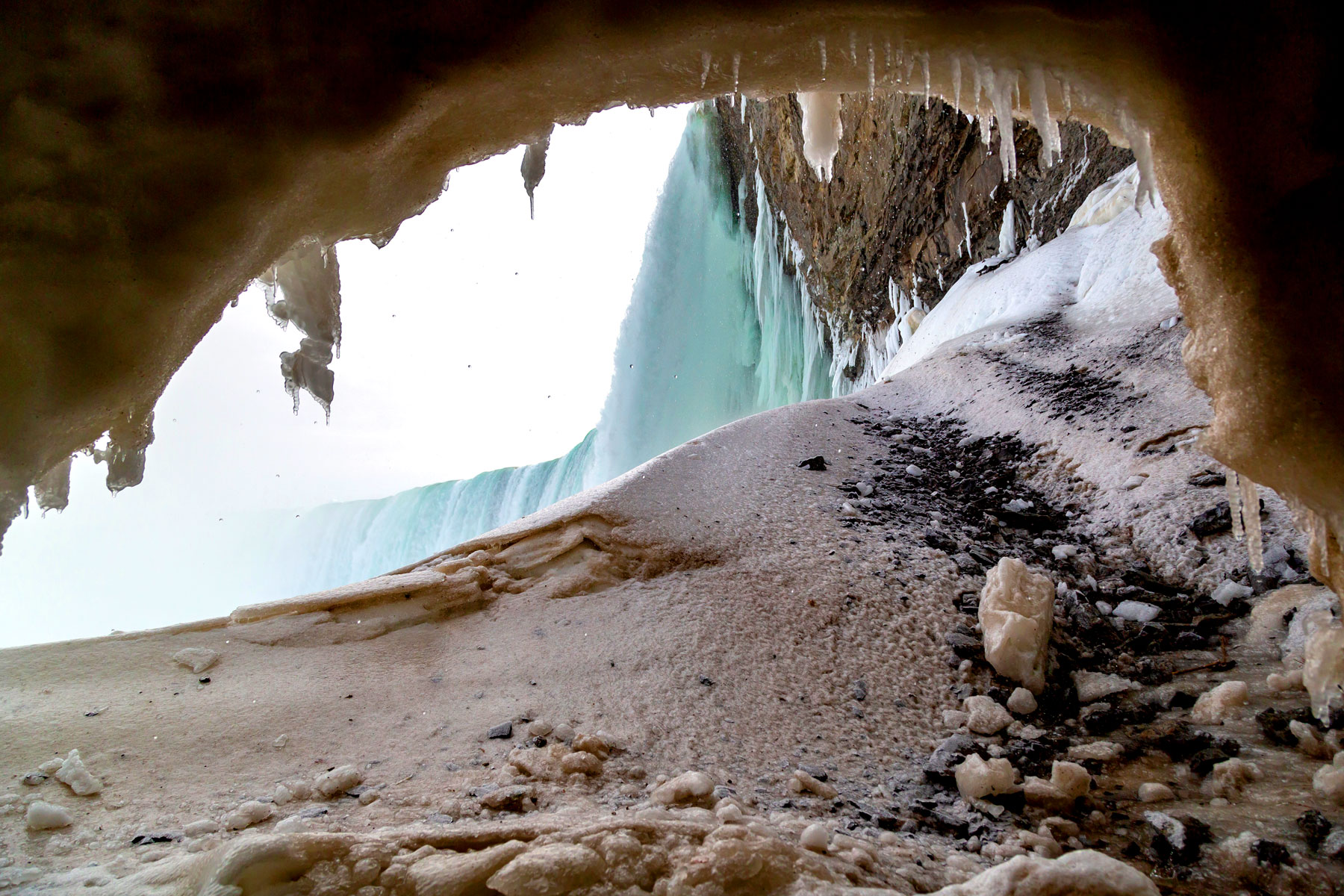
#3. In which month does the freezing process of Niagara Falls usually begin?
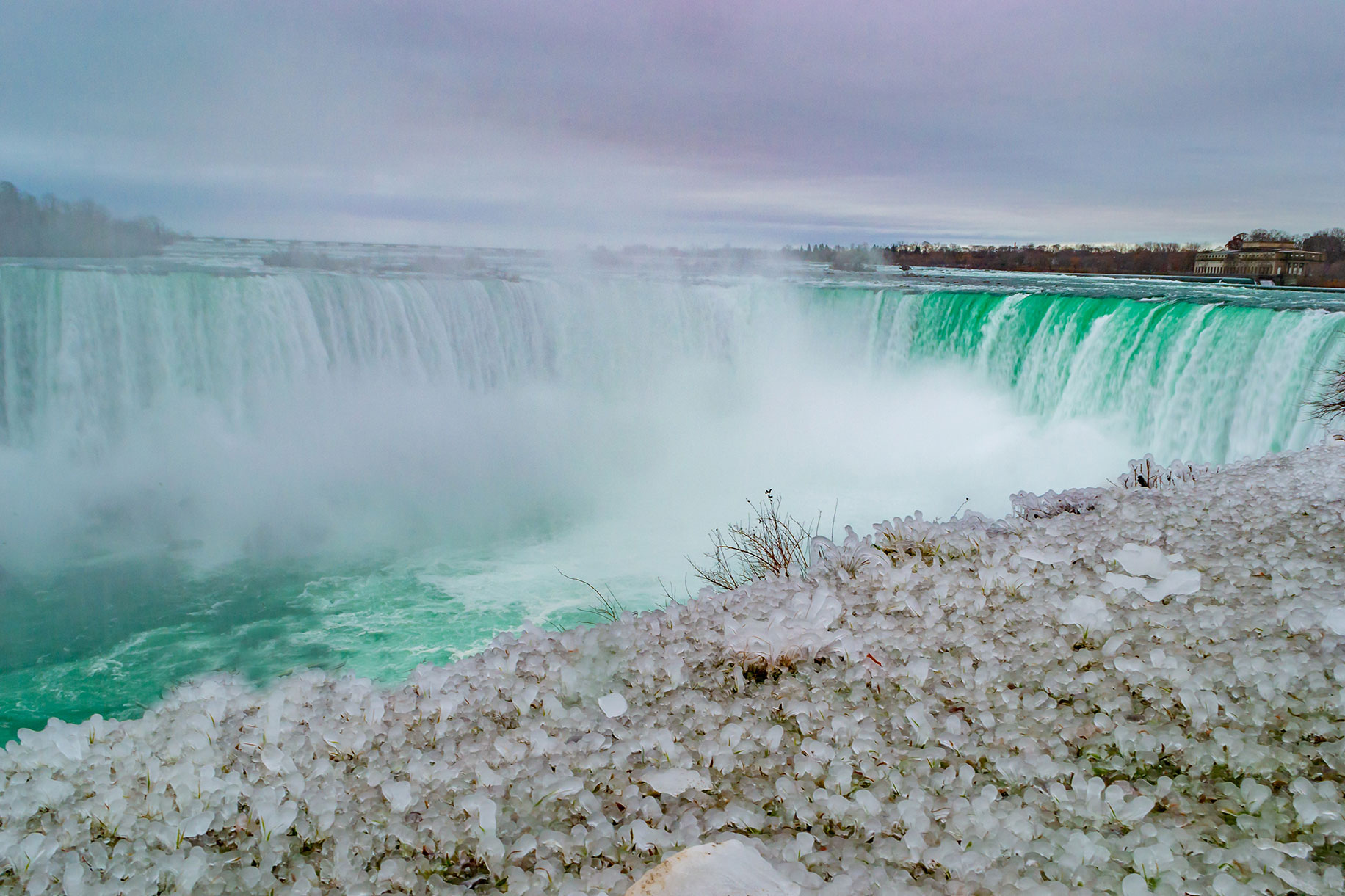
#4. What is it called when mist from the Falls freezes on surfaces?
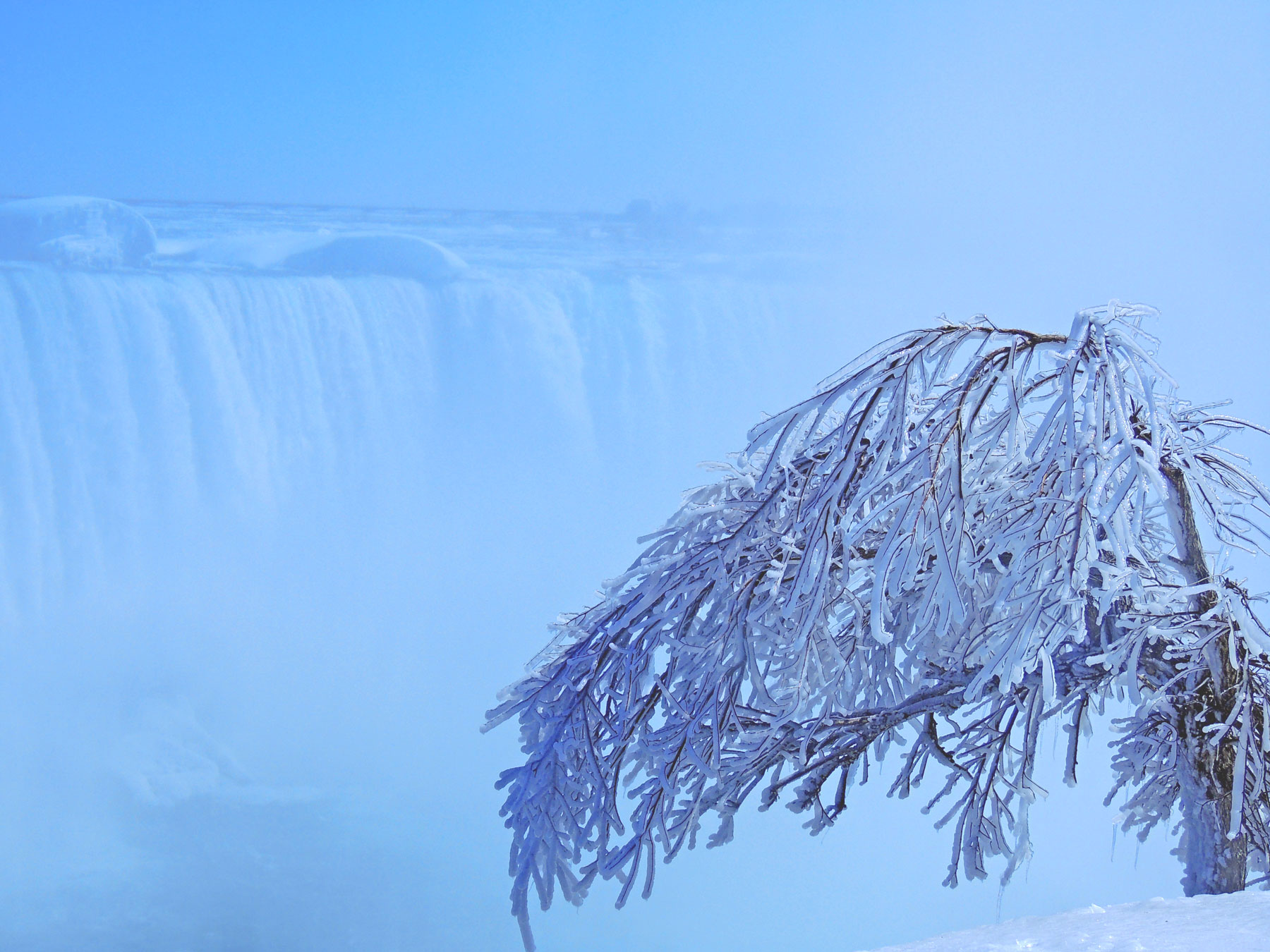
#5. What is the local nickname for the ice-covered trees and rocks near Niagara Falls during winter?
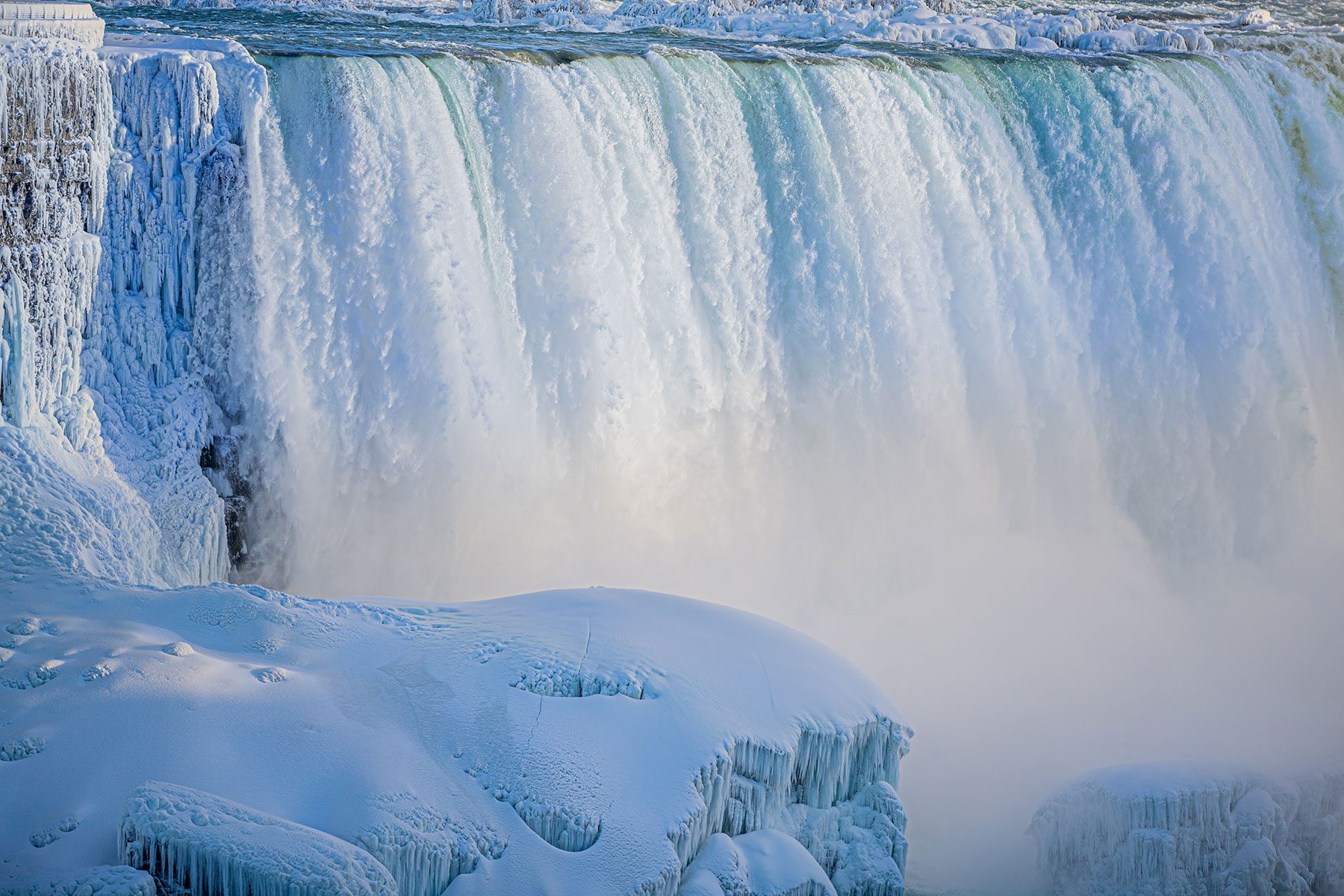
#6. Which of the three waterfalls that make up Niagara Falls usually freezes first?
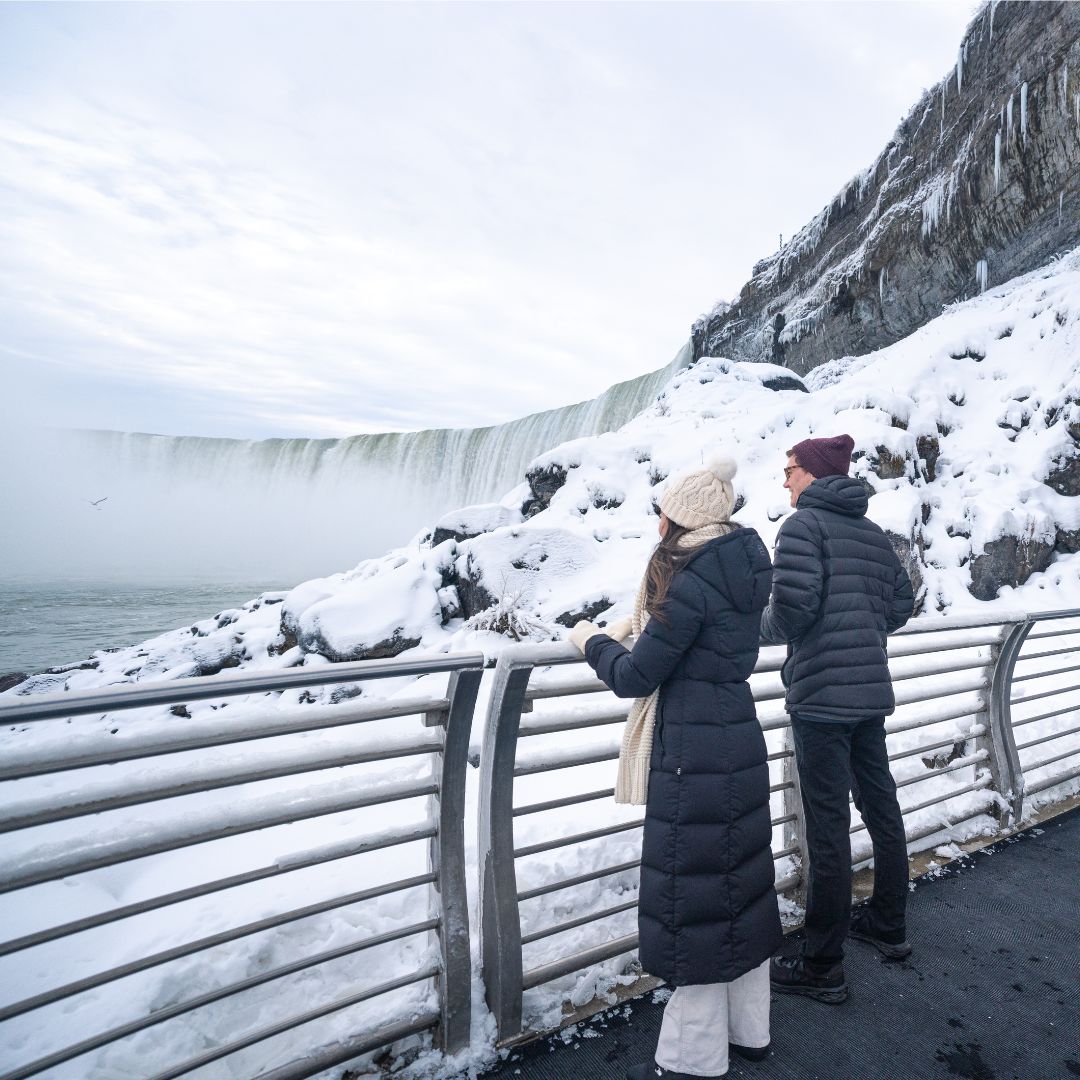
#7. What is the average winter temperature at Niagara Falls when the falls can partially freeze?
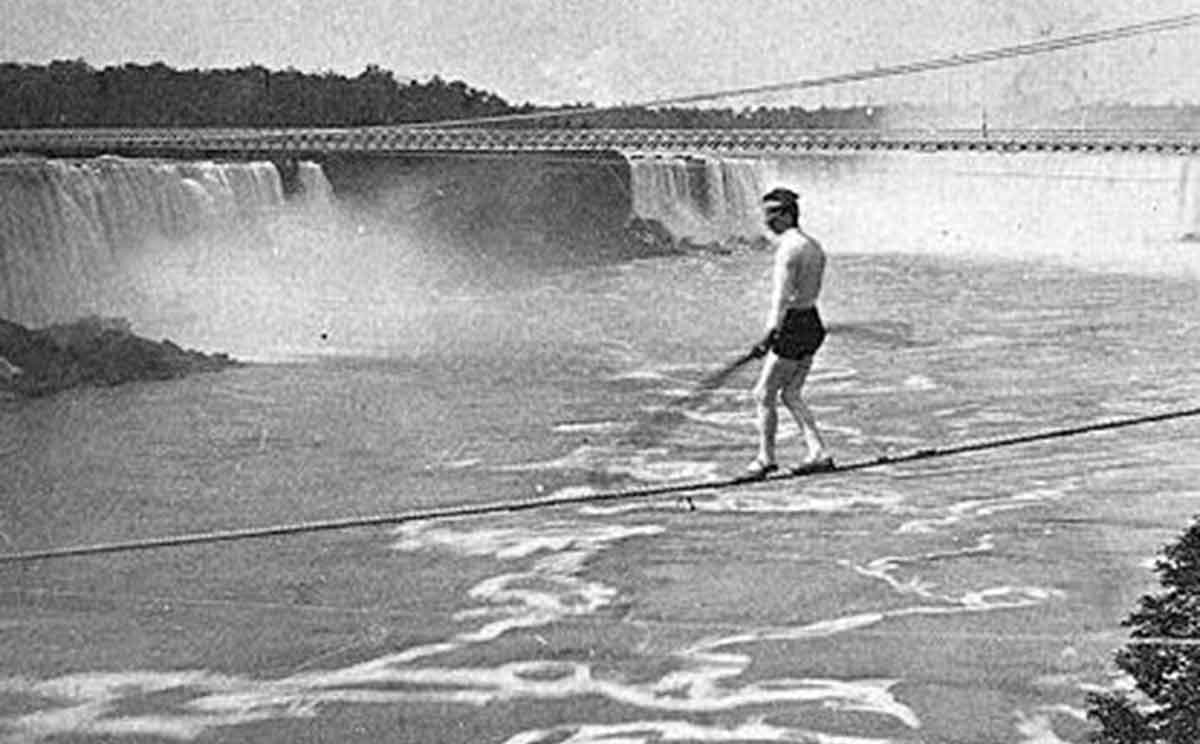
#8. Which famous tightrope walker crossed Niagara Falls in winter, adding a unique twist to the challenge?
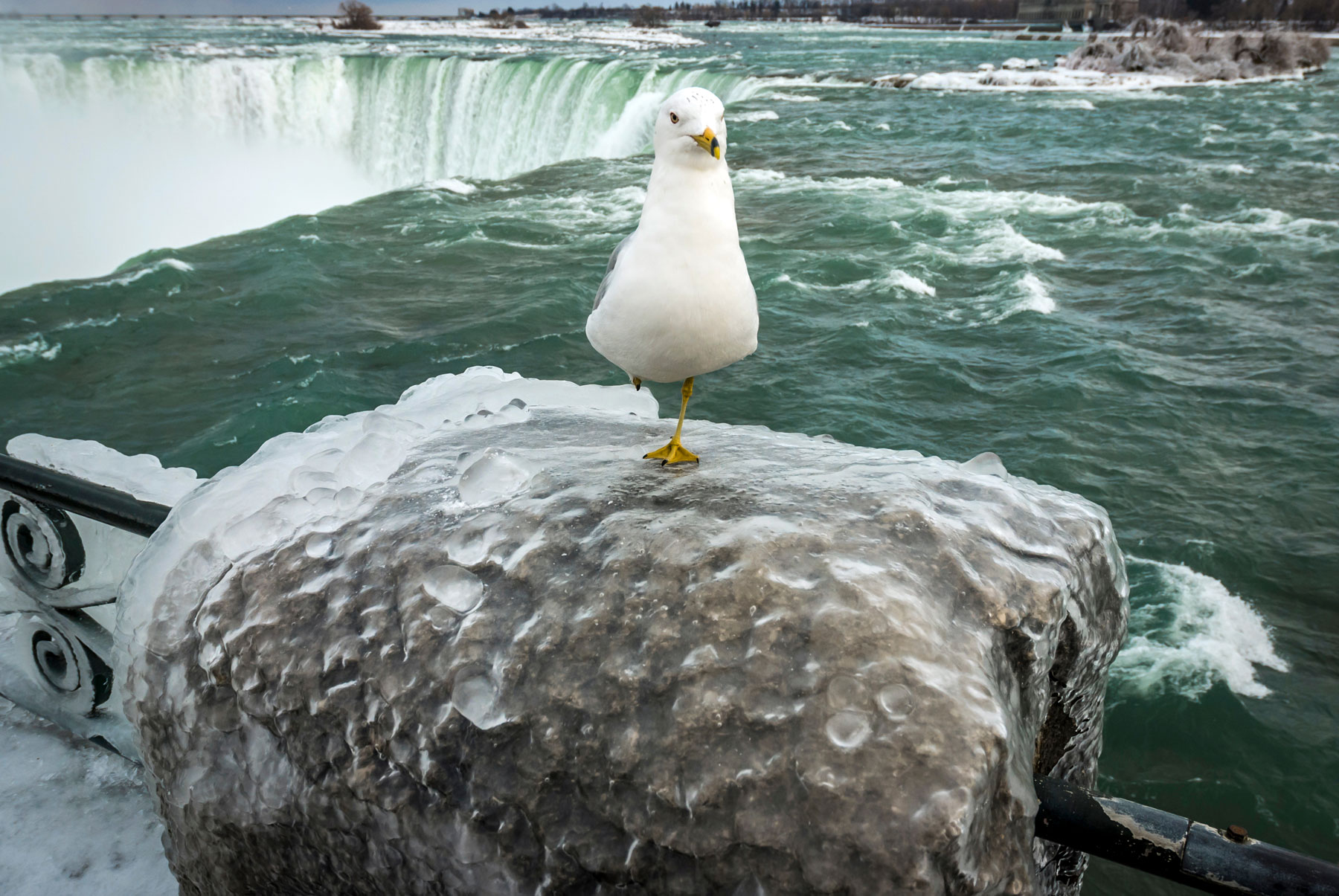
#9. Which of the following animals has been spotted near frozen Niagara Falls during winter?
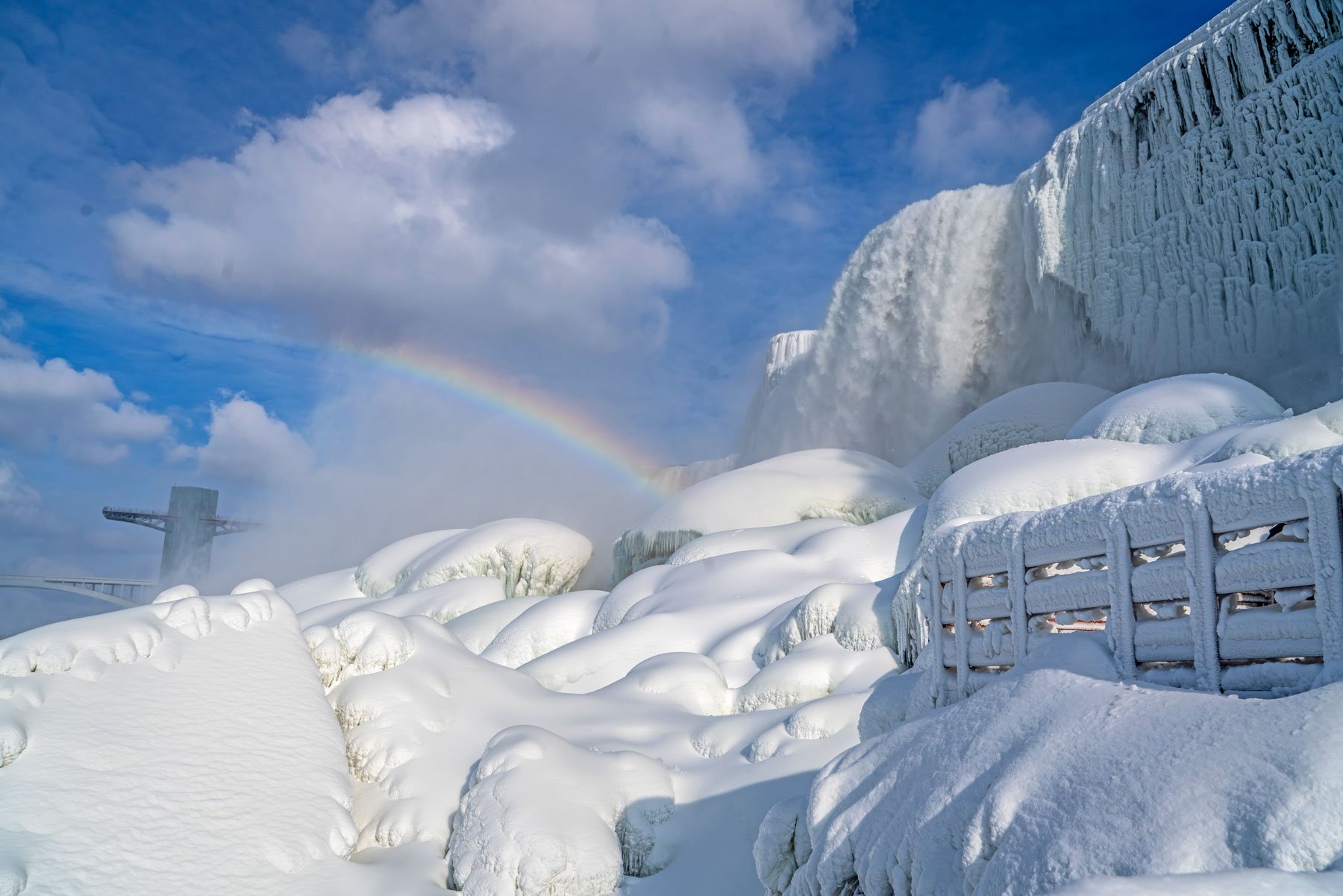
#10. What is the depth of the ice layer that can form at the base of Niagara Falls?
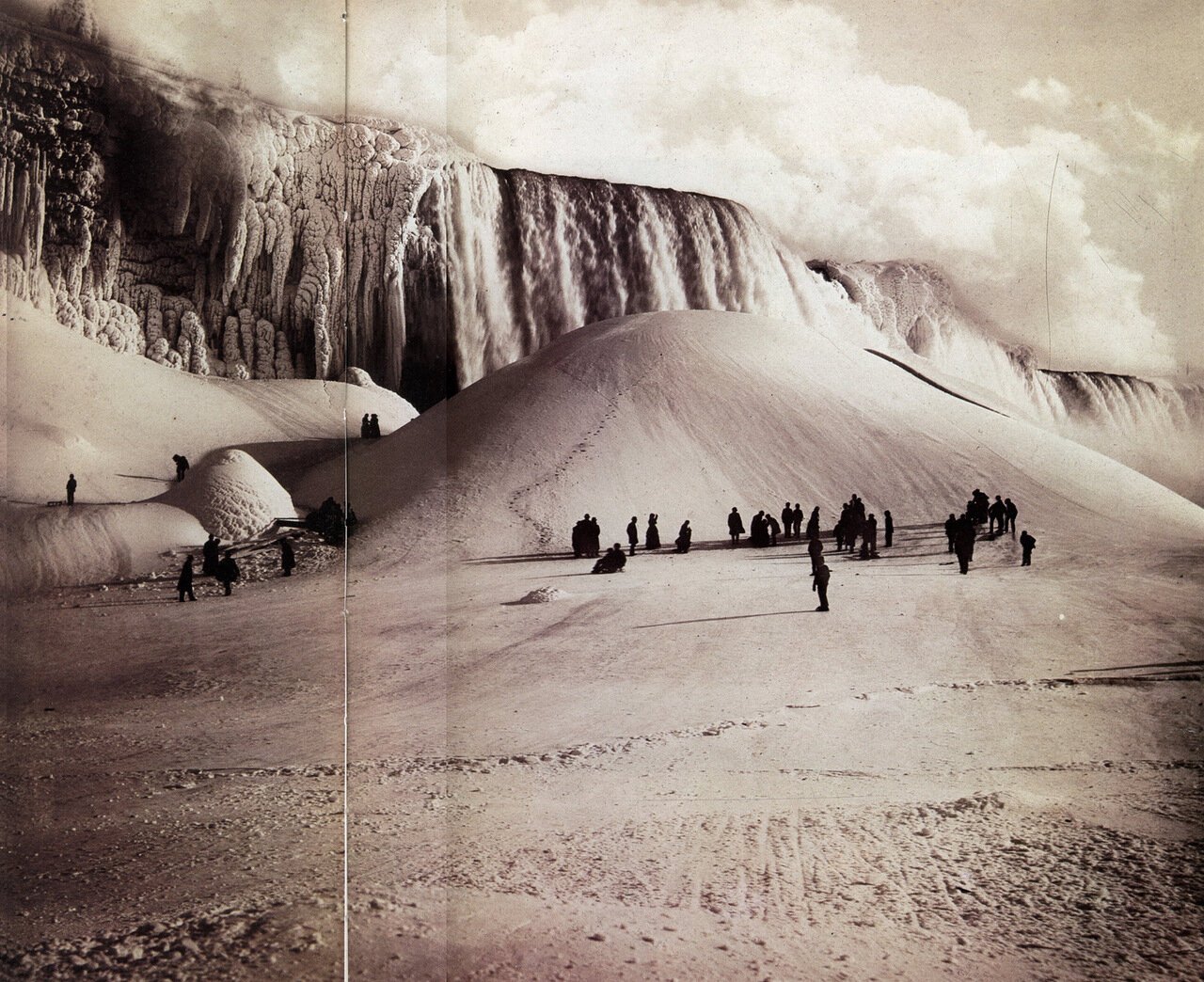
#11. In what year did Niagara Falls come close to being completely frozen due to an ice jam?
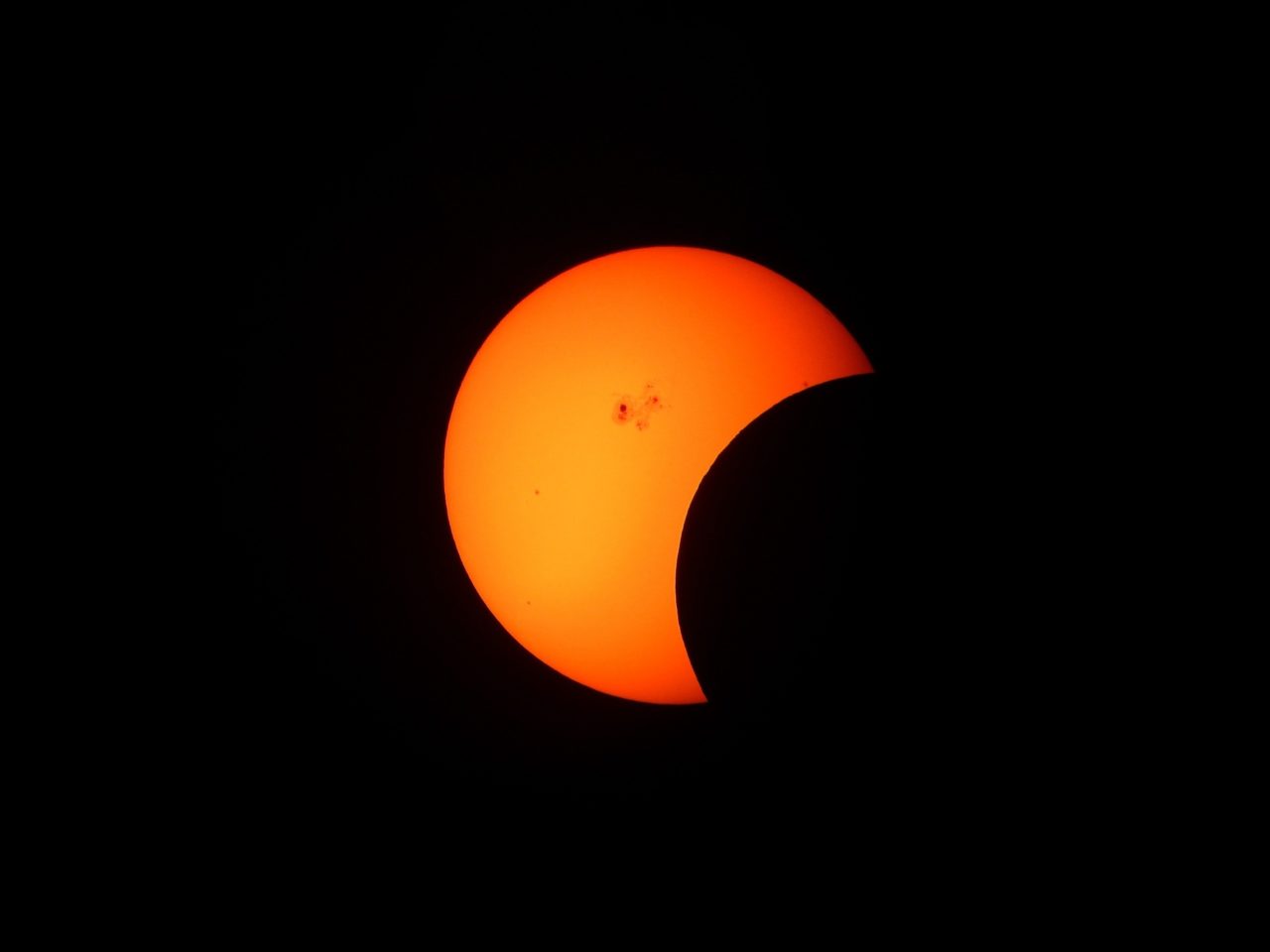
#12. What natural event can contribute to the ice formations around Niagara Falls?
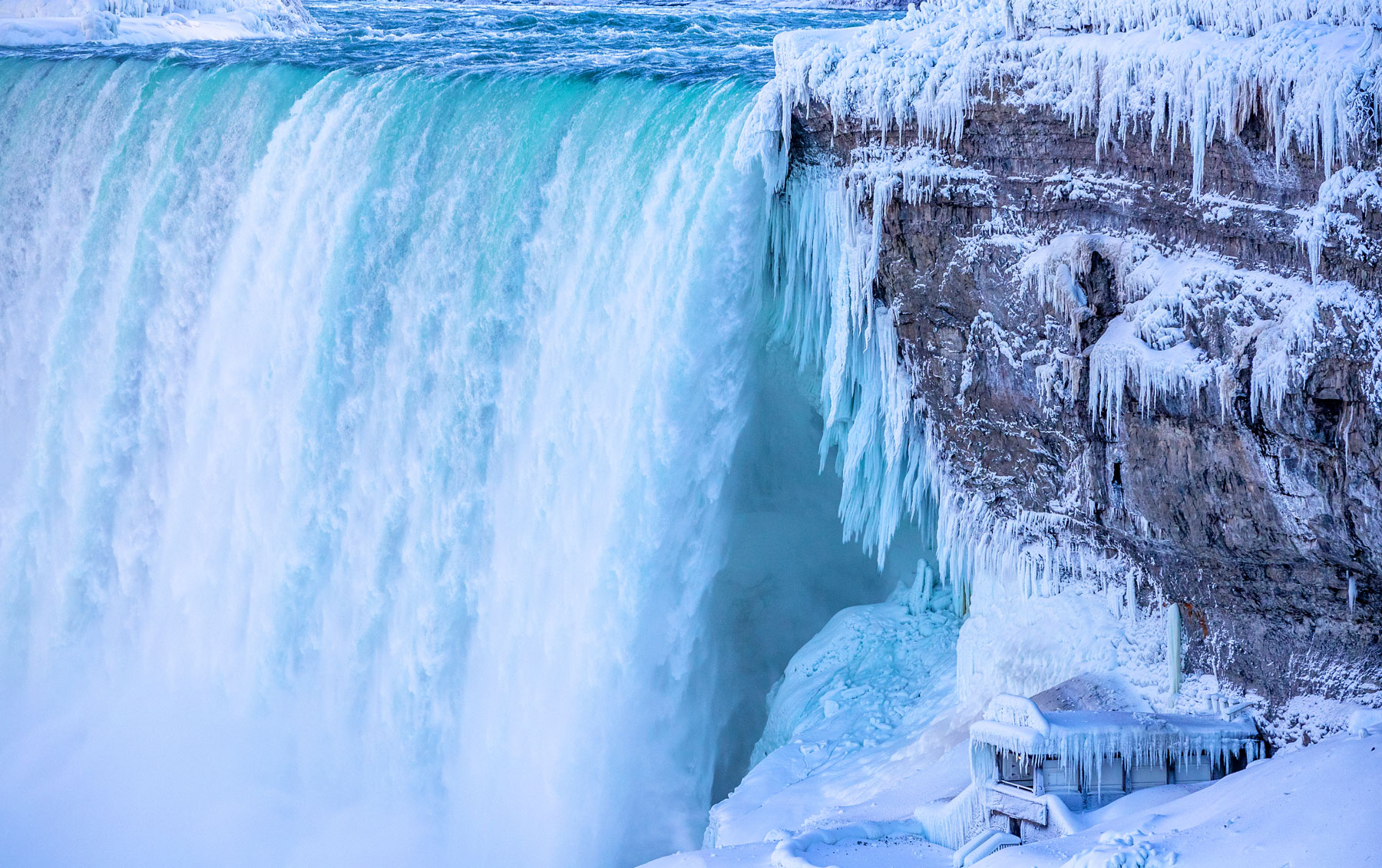
#13. What causes Niagara Falls to partially freeze during winter?
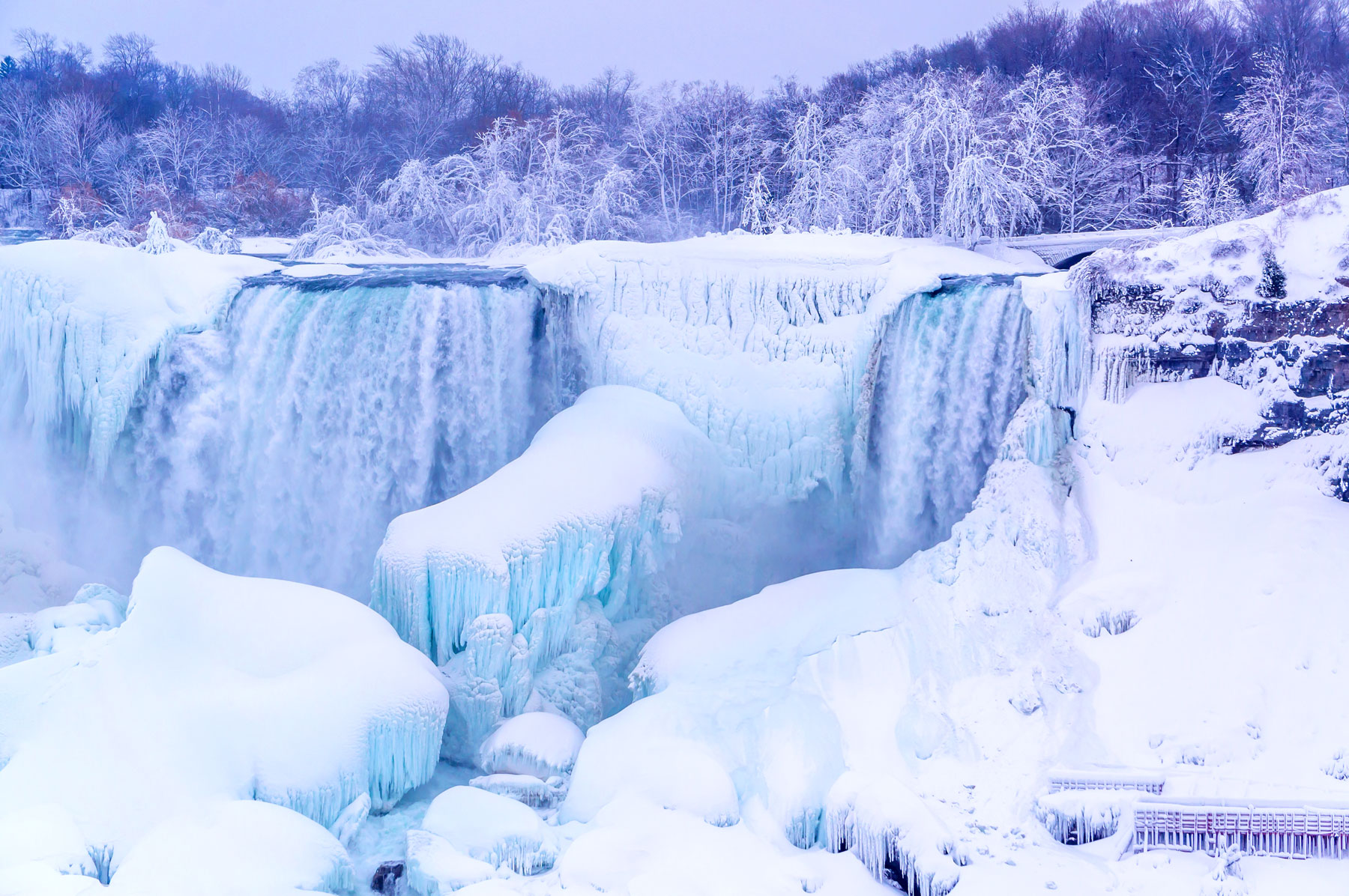
#14. What percentage of Niagara Falls freezes during a typical winter?
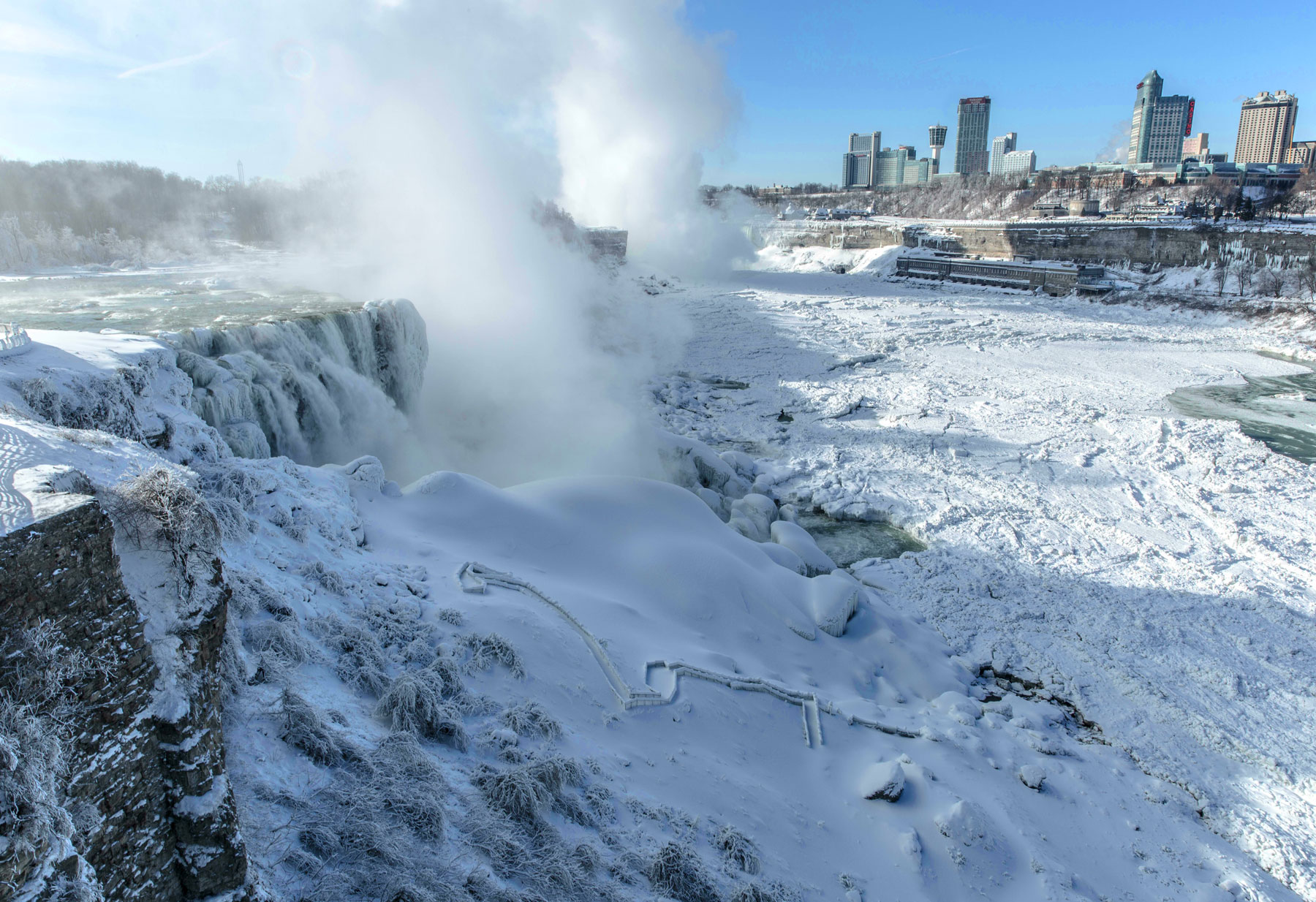
#15. Which layer forms on the surface of the frozen Niagara River, giving it a unique appearance?