




Valentine’s Day on February 14 may be widely recognized for roses and romantic dinners in Canada and the United States, but around the globe it unfolds through an extraordinary array of customs that reflect diverse cultural understandings of love, friendship, and community. From symbolic gifts and communal rites to seasonal festivals and ancient legends, these traditions reveal love’s many faces. Each country’s celebration adds a distinct shade to the picture, and together they highlight the shared human impulse to honor connection in meaningful ways.
- Japan: Chocolate, Courtesy, and White Day
- South Korea: A Love-Filled Calendar
- Ghana: National Chocolate Day
- France: From Bonfires to Love Letters
- Italy: Keys and Padlocks
- Estonia (and Finland): Friends First
- Bulgaria: A Toast to Love
- South Africa: Wear Your Heart on Your Sleeve
- United Kingdom: Anonymous Admirers
- Wales: Lovespoons and Legends
- Romania: Dual Celebrations
- Slovenia: Field Traditions
- Scotland: A Festival of Fate
- Philippines: Mass Weddings and Forever Love
- China: Qixi and Eternal Love
- Germany: Pigs, Clovers, and Passion
- India: Blended Traditions and Local Flavours
- Niagara Falls: The Honeymoon Capital of the World
- Celebrate Love, Global Style
Japan: Chocolate, Courtesy, and White Day
In Japan, Valentine’s Day is characterized by a structured gift‑giving custom in which women give chocolate to men. Honmei‑choco conveys romantic interest, while giri‑choco — literally “obligation chocolate” — is offered to friends, colleagues, or acquaintances as a gesture of appreciation. One month later, on March 14, White Day invites men to reciprocate with gifts, often of higher value.

South Korea: A Love-Filled Calendar
South Korea adopts and expands the Japanese model of February 14 and March 14 gift exchange, adding uniquely local observances throughout the year. Black Day on April 14, for instance, turns the focus to singles, who gather to eat jajangmyeon (noodles with black bean sauce) in playful acknowledgment of singledom.
Ghana: National Chocolate Day
Ghana marks February 14 as National Chocolate Day, aligning the celebration with the country’s role as a major cocoa producer. Chocolate‑themed events, local festivals, and cocoa‑based menus emphasize sweetness and shared culinary delight.
France: From Bonfires to Love Letters
France, often associated with romantic expression, hosts La Fête du Baiser (“Festival of the Kiss”) in Roquemaure, near Avignon. This post–Valentine’s weekend event features costumed festivities, wine celebrations, and community gatherings grounded in both history and local devotion.

Italy: Keys and Padlocks
In parts of Italy, Valentine’s Day coincides with traditions involving symbolic “keys to the heart.” In regions such as Padua, gift‑givers offer Saint Valentine’s keys — metal charms meant to unlock affection and protection — as tokens of both love and goodwill
Estonia (and Finland): Friends First
In Estonia — and similarly in Finland — February 14 is known as Sõbrapäev or Ystävänpäivä, meaning “Friend’s Day.” Rather than focusing exclusively on couples, these celebrations embrace friends, family, and all kinds of close relationships, with greetings, small gifts, and social gatherings.
Bulgaria: A Toast to Love
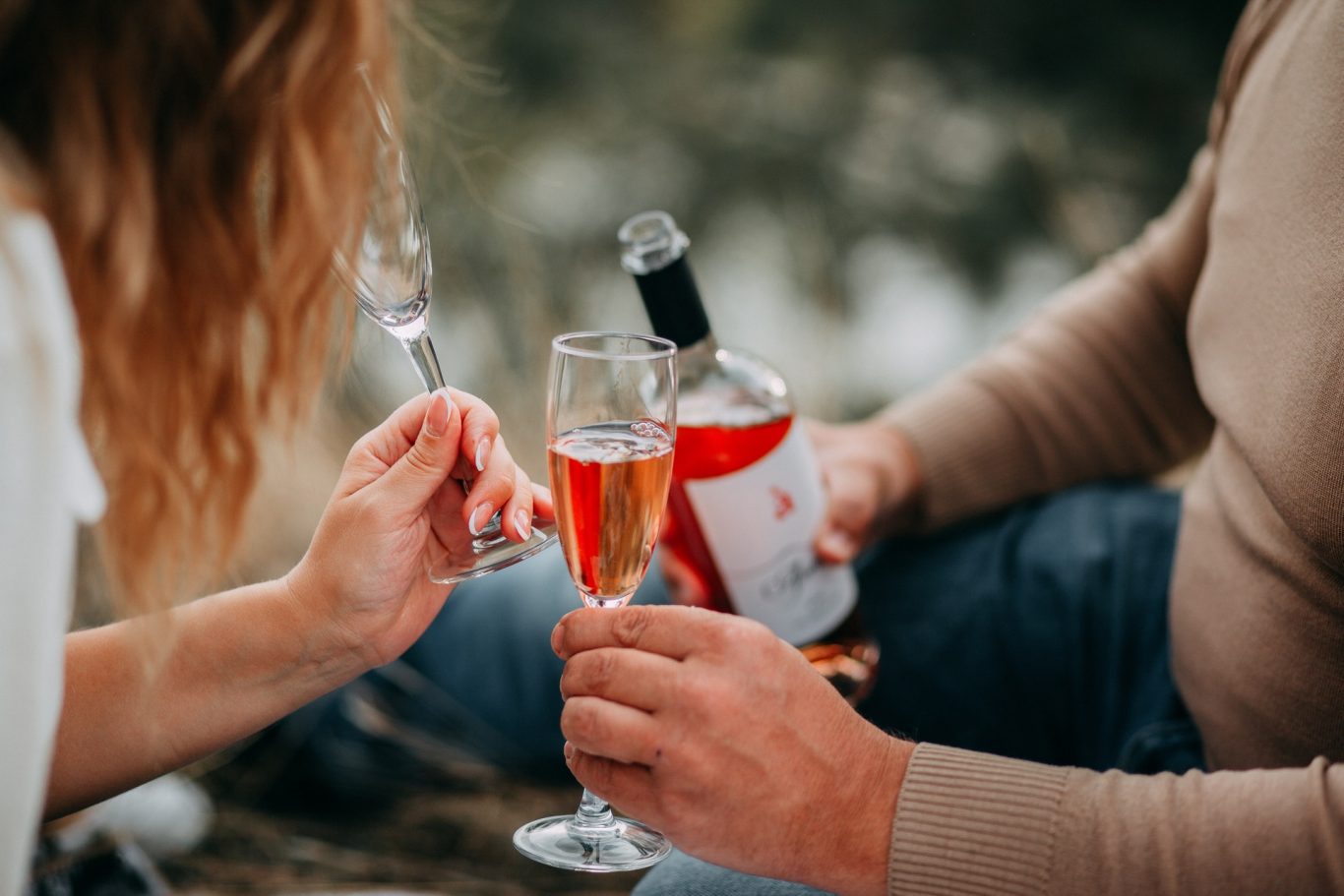
In Bulgaria, Valentine’s Day intersects with St. Trifon Zarezan, the patron saint of wine and vineyards. Traditionally, pruning grapevines and pouring wine onto the soil are part of the celebration, followed by communal feasts and the crowning of the year’s “wine king.”
South Africa: Wear Your Heart on Your Sleeve
In South Africa, a tradition rooted in ancient Roman customs invites participants — especially young people — to literally wear their heart on their sleeve by pinning the name of a loved one (or crush) to their clothing. This bold gesture brings admiration and courtship into public view.
United Kingdom: Anonymous Admirers
In the United Kingdom, Valentine’s cards have a history of anonymous exchange dating to Victorian times. In some local customs, mysterious figures like “Jack Valentine” formerly delivered treats and sweets to homes, echoing seasonal folklore tied to secret admiration.
Wales: Lovespoons and Legends
Wales has a long tradition of lovespoons — hand‑carved wooden spoons featuring hearts, keys, and other symbols of love — presented as gifts. While the Welsh also observe St. Dwynwen’s Day (January 25) in honour of their own patron saint of lovers, the symbolism of the lovespoon remains significant in expressions of affection.

Romania: Dual Celebrations
In Romania, people celebrate both the international Valentine’s Day on February 14 and Dragobete on February 24 — a traditional local lovers’ day that marks the arrival of spring and is associated with pairing and courtship rituals.
Slovenia: Field Traditions
In Slovenia, Valentine’s Day historically has associations with agricultural folklore. Legend holds that birds pair off on February 14, and engaging with the natural landscape — such as walking in the fields — has been interpreted as inviting harmony and companionship.
Scotland: A Festival of Fate
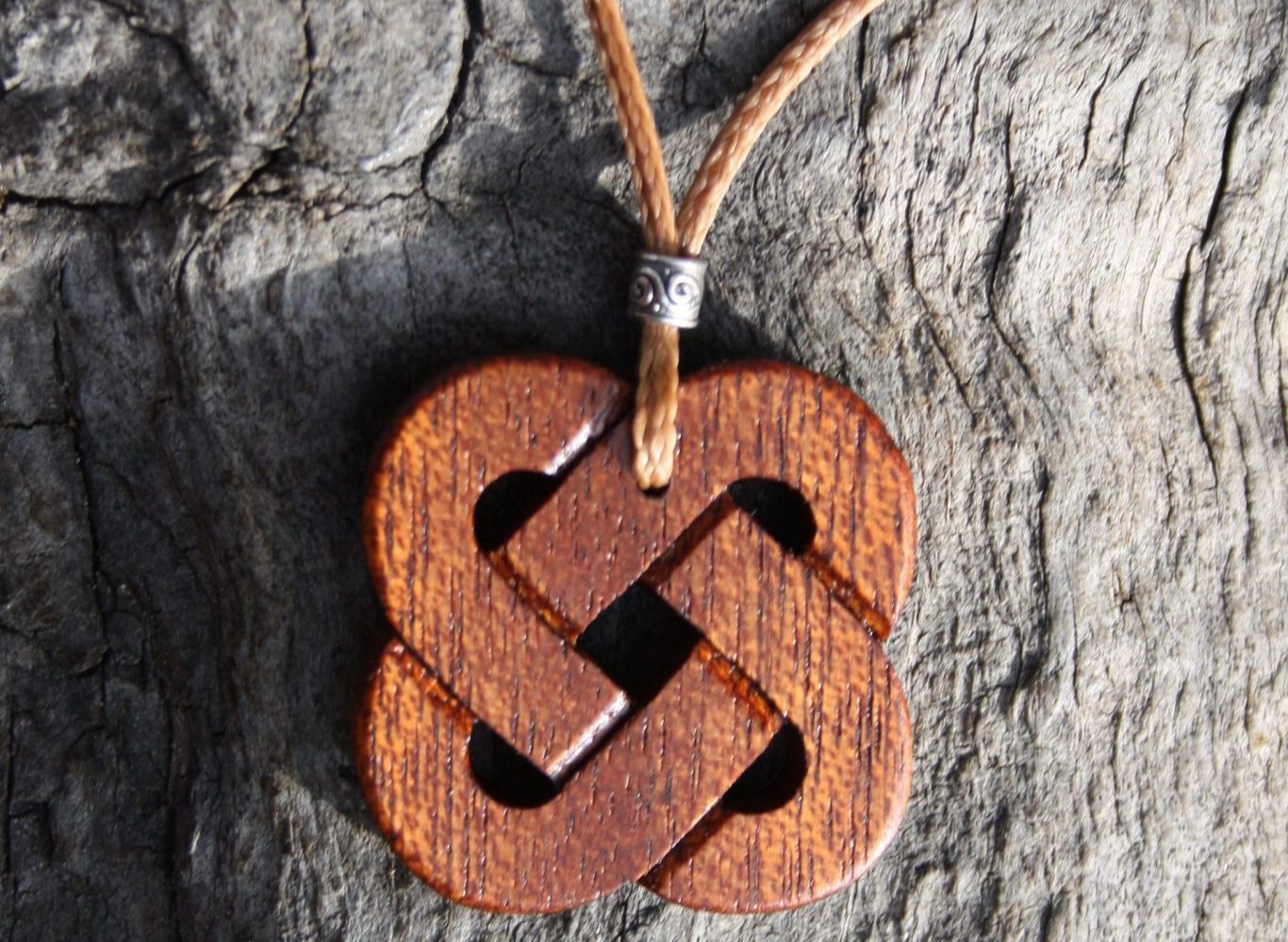
In Scotland, Valentine’s Day is a lively festival of chance. Single men and women write their names on slips of paper, which are drawn from hats to pair up “Valentines.” Women wear their match’s name on their sleeve (literally!), and gifts are exchanged in the form of love tokens or true-love knots. The night ends with dancing, making it a celebration of both love and community.
Philippines: Mass Weddings and Forever Love
The Philippines stage large, communal wedding and vow‑renewal ceremonies on Valentine’s Day. These mass events bring couples together in shared celebration of commitment, transforming February 14 into a public festival of matrimony.
China: Qixi and Eternal Love
While Valentine’s Day as understood in the West has grown in urban Chinese settings, the culturally rooted Qixi Festival — based on a romantic legend of star‑crossed lovers — falls on the seventh day of the seventh lunar month. It remains a key expression of love in many parts of China, blending myth and seasonal celebration.
Germany: Pigs, Clovers, and Passion
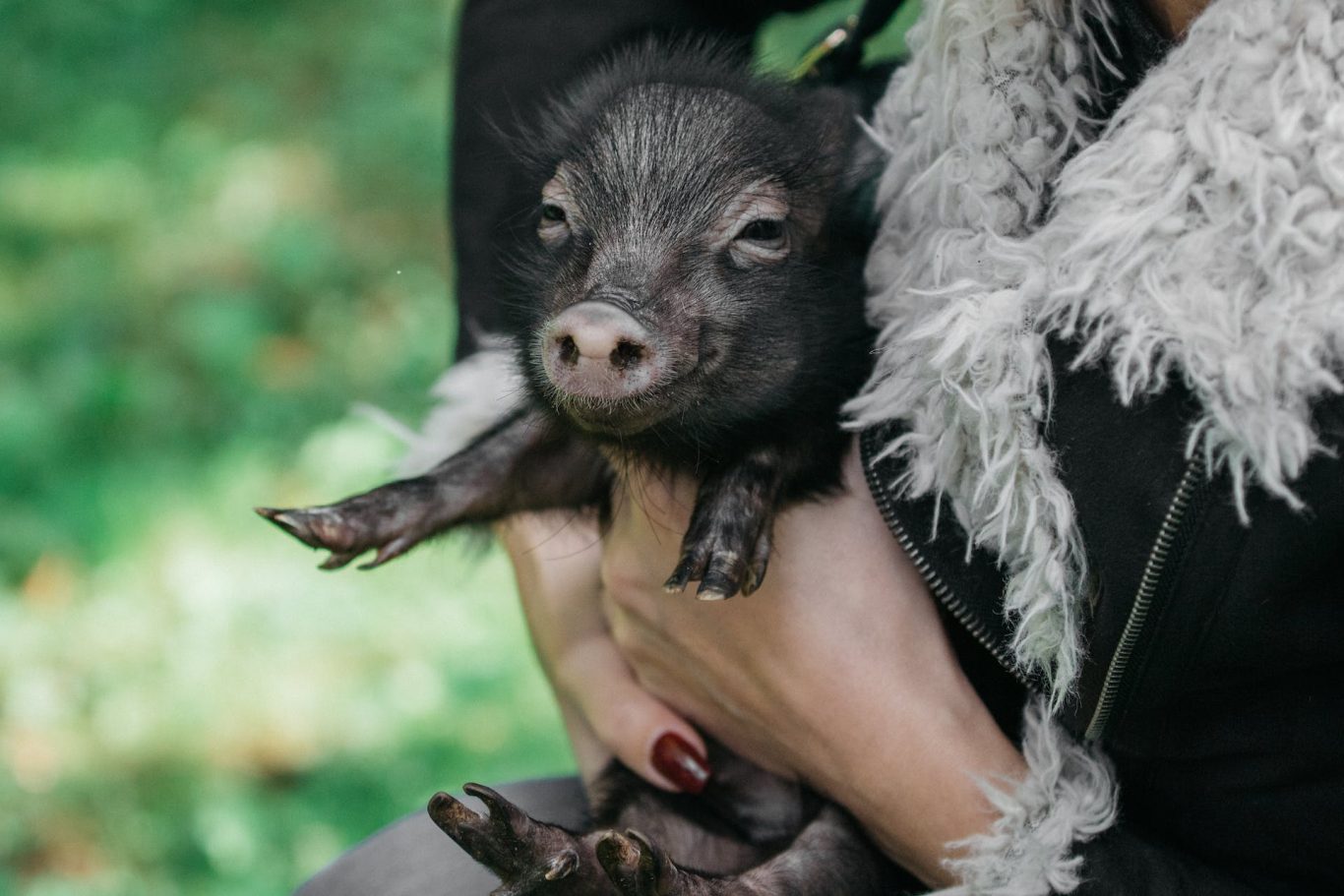
Germans celebrate Valentine’s Day, or Valentinstag, with chocolates, flowers, and cards””but with a quirky twist. Pigs, symbols of luck and lust, often adorn gifts. You’ll find cards featuring pigs holding clovers or climbing ladders, all wrapped in heart-shaped designs. It’s a playful nod to love and good fortune that’s uniquely German.
India: Blended Traditions and Local Flavours
In India, Valentine’s Day has been adopted and adapted by many, particularly younger generations. Traditions combine global customs of flowers and chocolates with local preferences for indigenous gifts and experiential celebrations, reflecting the country’s cultural diversity.
Niagara Falls: The Honeymoon Capital of the World
For over 200 years, Niagara Falls has been the ultimate destination for lovebirds. The tradition began in 1801 when Theodosia Burr, daughter of U.S. Vice President Aaron Burr, honeymooned here with her husband. By the mid-1800s, the completion of the Erie Canal and railroads made Niagara Falls accessible to all, cementing its status as the “Honeymoon Capital of the World.”
Today, couples still flock to the Falls to witness its breathtaking beauty, a natural wonder that perfectly mirrors the grandeur of love. Whether it’s a winter stroll by the misty waters or a summer sunset over the cascades, Niagara Falls remains a universal symbol of romance.

Celebrate Love, Global Style
From Japan’s chocolate rituals to Bulgaria’s wine toasts, Valentine’s Day traditions are as diverse as the cultures that celebrate them. And while love takes many forms, one thing remains constant: the timeless allure of Niagara Falls as a place where romance thrives.
So, whether you’re planning a grand gesture or a quiet moment, let these global traditions inspire your own celebration of love. After all, as the world shows, love is a language that knows no borders.
Plan your romantic getaway to Niagara Falls and experience the magic of the world’s most iconic honeymoon destination.