


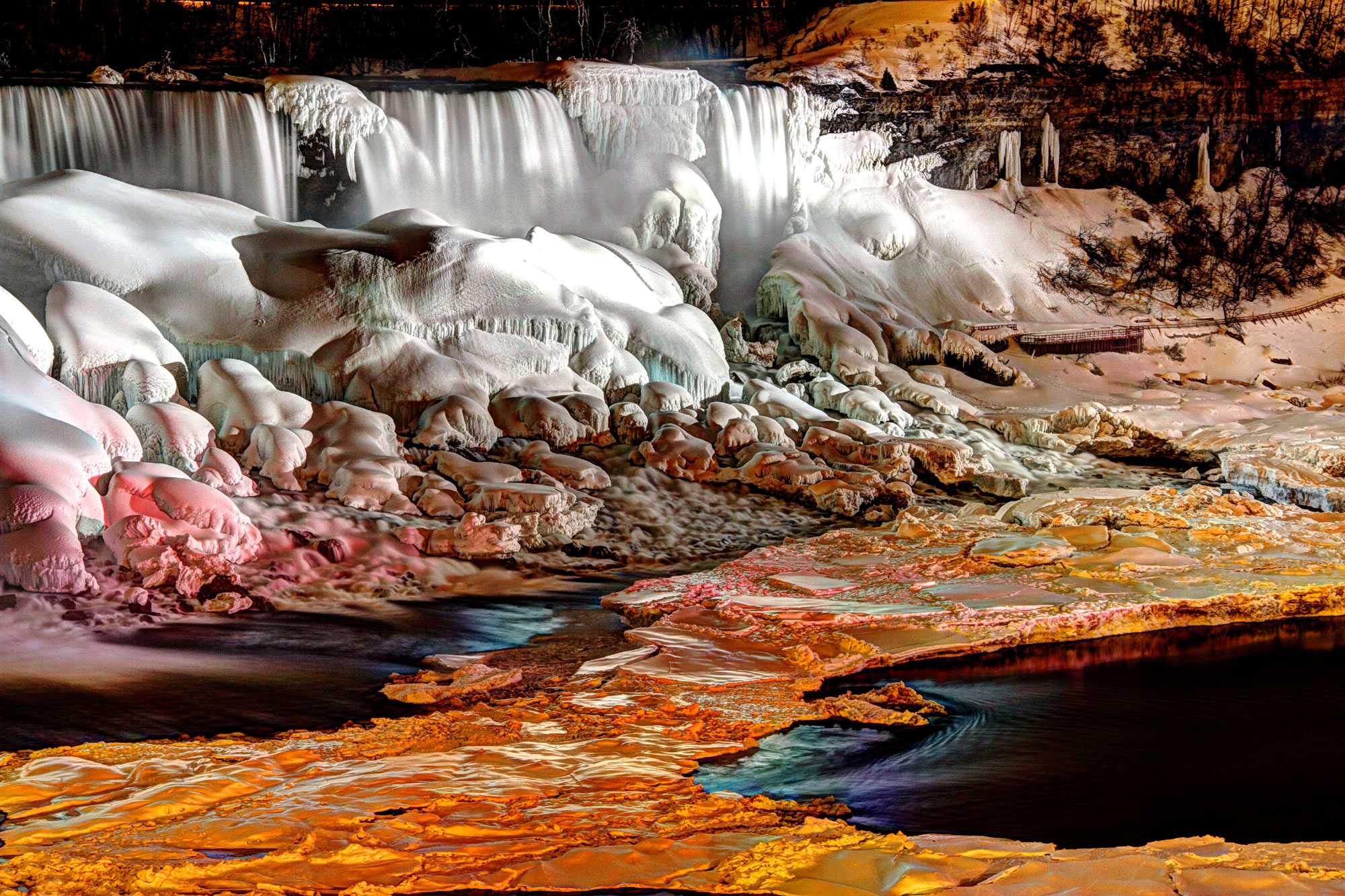

An authoritative look at why Niagara Falls appears to freeze, why it rarely does, and how this winter spectacle forms a breathtaking landscape for travelers and photographers. When winter descends on the Niagara region, one of the most talked-about natural phenomena is the appearance of Niagara Falls “freezing.” Photographs of the mighty Horseshoe and American Falls encased in ice capture the imagination of visitors worldwide. This transformation into a crystalline landscape attracts photographers, nature lovers, and curious travelers seeking to understand the science behind this seasonal wonder.
Flow Dynamics: Why the Falls Continue to Move
At the heart of the frozen falls phenomenon lies a simple but powerful physical principle: flow and motion resist freezing. Water must lose enough heat to reach and remain at its freezing point. Niagara Falls, fed by the Great Lakes, channels enormous volumes of water down its escarpments every second. Roughly 3,000 tons of water pour over the falls each second, carrying considerable kinetic and thermal energy as it moves. This motion disrupts the formation of stable ice within the flowing column, and the sheer depth and speed of the water prevent a solid freeze throughout the cascade.
Even as winter temperatures plunge well below freezing, the dynamic flow keeps the falls active beneath any surface ice. The strength of the current thwarts a complete solidification of the main river and the falls themselves. Occasional historical events, such as a rare upstream ice jam in 1848, reduced the flow and created a temporary, dramatic near-freeze that stopped the roar for around 30 hours — an occurrence unlikely to recur under modern conditions due to regulated water flow and infrastructure
Ice Formation: The Artistry of Frozen Mist
While the falls do not freeze solid in the traditional sense, ice still plays a starring role in the winter landscape. The mist and spray rising from the plunging water interact with freezing air, depositing layers of ice on nearby surfaces. This process leads to intricate formations and massive icicles adorning cliffs, railings, trees, and rocks that flank the river. The result is an ethereal winter environment that appears sculpted in glass.
These ice encasements form where moving water transitions to droplets in the air. As the droplets encounter sub-zero temperatures, they freeze on contact with nearby surfaces, building up layers of crystalline complexity. Over time, these layers span a range of textures — from delicate, spindly icicles to thick ice crusts that define winter at the falls.
The Historical Frozen Falls of 1848
Historical records remind us that the winter landscape of Niagara Falls has long captivated observers, scientists, and residents alike. One of the most extraordinary chapters occurred in March 1848, when a massive ice jam formed at the eastern end of Lake Erie. This natural blockage temporarily stopped the flow of the Niagara River at its source, reducing the water passing over the falls to a near standstill for more than 30 hours.
With the river’s force diminished, the normally thunderous cascade fell silent. Contemporary accounts describe residents walking across the exposed riverbed, collecting fossils, and examining rock formations typically concealed beneath thousands of tons of moving water. The event offered a rare and scientifically valuable glimpse into the geological structure of the river channel and the mechanics of large-scale ice movement within the Great Lakes system.
The Ice Boom: Preventing Historic Blockages
Further protection came with the introduction of the Niagara River ice boom in the 1960s, a floating system of steel pontoons installed near the river’s source. The ice boom manages the movement of ice from Lake Erie, limiting the formation of massive ice fields that could threaten water intakes and downstream infrastructure. While winter ice continues to shape the visual character of the falls, this system has fundamentally altered how ice accumulates and behaves, ensuring operational stability, public safety and ecosystem protection.
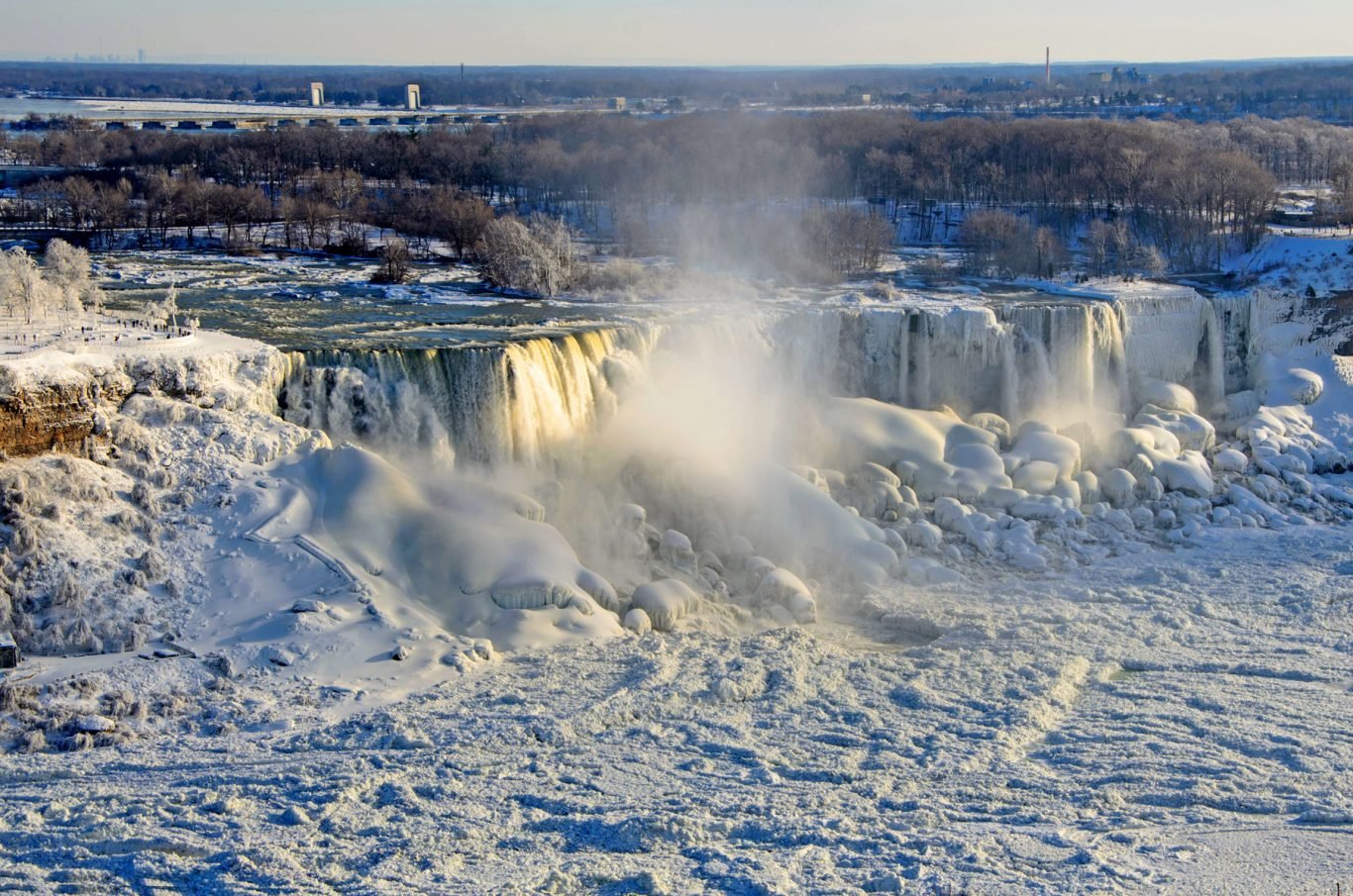
The frozen spectacle seen today reflects a balance between natural forces and human stewardship—one that preserves the drama of winter at Niagara Falls while preventing a repeat of the conditions that defined 1848.
Best Views and Seasonal Timing
For travelers seeking the most striking views of ice formations, the American Falls often present the most dramatic icy displays. With a smaller volume of water compared to the Horseshoe Falls, the American Falls allow more pronounced ice buildup on surrounding structures and rocks. Viewpoints such as Prospect Point provide excellent vantage for photographers aiming to capture the interplay of flowing water and static ice features.
Winter does more than transform the falls. Snow-covered landscapes add to the scene’s tranquility, inviting visitors to reflect on this powerful interplay between motion and stillness. Walking along designated paths and observation areas, seasoned travelers can appreciate the science — and artistry — of winter’s effects on one of the most iconic waterfalls on Earth.
Preparing for a Winter Visit
Travelers planning to experience the frozen falls phenomenon should consider practical winter tips. Dress in layers suited for sustained cold, with footwear that offers traction on potentially slick paths. Early mornings and weekdays offer quieter observation periods, while winter photography often rewards patience and timing as light and ice interact throughout the day.
Niagara Falls in winter is a testament to nature’s versatility. The power that prevents a full freeze is the same energy that drives one of the world’s most captivating landscapes. In its seasonal cloak of ice and snow, the falls remain a place where physics and beauty meet — offering travelers a memorable encounter with natural wonder.
Warm Up On Clifton Hill’s Street of Fun
Clifton Hill, located just steps from the Falls, serves as the perfect hub for experiencing this seasonal magic. After marveling at the frozen beauty of Niagara Falls, visitors can warm up with a variety of indoor attractions, dining options, and entertainment along the bustling strip. From cozy cafes to family-friendly activities, Clifton Hill offers a welcoming retreat from the chilly outdoors.


AAA released a photograph of the falls frozen over. I saw one when taking care of my elderly friend. It was cool! A couple of post cards too.