



The Winter Festival of Lights in Niagara Falls, Canada, began in 1983, following planning undertaken in 1982. Inspired in part by a winter light festival across the border in Niagara Falls, New York, the Ontario celebration grew from a modest community tourism initiative into Canada’s largest free outdoor light festival. Its history includes illuminated parades, Disney character displays, international lantern exhibits and the ever-changing lights of Queen Victoria Park.
- Early Beginnings on the U.S. Side
- A New Beginning in Niagara Falls, Ontario (1983–Present)
- Winter Festival of Lights: Historical Timeline
- Memorable Milestones and Changing Displays
- The Disney Years (1992–2013)
- The Night Parade of Lights (1998–2006)
- Korean Lanterns and a New Artistic Direction
- From Illuminated Sculptures to Interactive Art
- The Role of Sponsors and Community Partnerships
- The Winter Festival of Lights Today
- Why the Festival Matters to Niagara Falls
- Frequently Asked Questions About the Festival’s History
- When did the Winter Festival of Lights start in Niagara Falls, Canada?
- Was the first Niagara Falls Festival of Lights in Canada or the United States?
- When were Disney lights part of the Winter Festival of Lights?
- Is the Winter Festival of Lights free?
- A Legacy of Light in Niagara Falls

More than 40 years later, the festival remains a familiar part of winter in Niagara Falls. Here’s how it began, the milestones that shaped it, and what remains of those early traditions today.
Early Beginnings on the U.S. Side
Niagara Falls already had a long association with illumination before the modern winter festival. Permanent illumination of the Falls was celebrated in 1925, while festive lighting and illuminated parades had appeared in the border cities earlier in the twentieth century.
In 1980, Niagara Falls, New York, launched a modern Festival of Lights that helped inspire the Canadian event. Historical accounts describe ambitious attractions, including the multi-storey OxyLights display, the Nabisco Fantasy of Lights, illuminated streets and indoor animated exhibits. The combination of winter lighting and tourism programming showed how the colder season could become an attraction in its own right.
The American festival eventually struggled financially. A historical account records that Niagara Falls, New York, announced its discontinuation in 2001. The Canadian festival, meanwhile, followed its own path and continued to grow.
A New Beginning in Niagara Falls, Ontario (1983–Present)
In December 1982, the Niagara Falls (Ontario) Visitor and Convention Bureau authorized plans for a Canadian Festival of Lights. Working with the City of Niagara Falls, the Niagara Parks Commission and local tourism partners, organizers brought the first edition to life in November 1983.
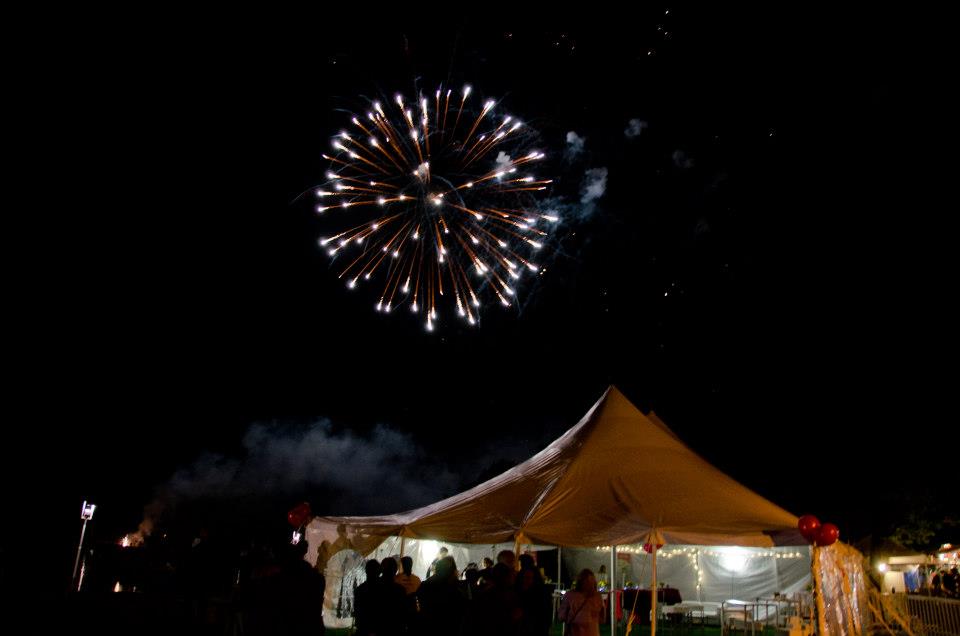
The inaugural festival ran from November 17, 1983, to February 26, 1984. Under the direction of Niagara Parks’ George Bailey, the celebration began with a budget of approximately $18,000. Historical festival records report roughly 250,000 visitors and 35 motor coaches during its first season.
In 1985, the event adopted the name Winter Festival of Lights, making its seasonal identity unmistakable. What started as an effort to attract visitors during quieter winter months was becoming an annual Niagara Falls tradition.
Winter Festival of Lights: Historical Timeline
- 1980: The modern Festival of Lights begins in Niagara Falls, New York, inspiring tourism partners across the border.
- 1982: Planning is authorized for a Canadian festival in Niagara Falls, Ontario.
- 1983: The Canadian Festival of Lights opens for its first winter season.
- 1985: The event becomes known as the Winter Festival of Lights.
- 1992: Disney-themed illuminated displays become a major festival attraction.
- 1998: The illuminated Night Parade of Lights is introduced.
- 2006: The weekly night parade ends, with resources redirected to lighting and festival attractions.
- 2013: The Disney displays conclude, and Korean lantern installations help introduce a new creative direction.
- 2026–2027: The 44th annual festival features more than three million lights and over 75 displays.
Memorable Milestones and Changing Displays
The Disney Years (1992–2013)
For visitors who remember the festival in the 1990s and early 2000s, the Enchantment of Disney was a defining attraction. Introduced in 1992, the collection included more than 20 animated light displays depicting familiar Disney characters in Queen Victoria Park. The displays became a recognizable part of the winter landscape and a favourite memory for many returning families.

The Disney display era ended after the 2012–2013 season. Its departure marked a turning point as organizers explored different international exhibits, wildlife themes and contemporary lighting installations.
The Night Parade of Lights (1998–2006)
In 1998, the festival introduced a night parade featuring electrically illuminated floats. The weekly spectacle added movement, music and a gathering place to an event known primarily for its stationary displays. After eight years, organizers discontinued the parade in 2006 and redirected funding toward new lights and visitor experiences.
Korean Lanterns and a New Artistic Direction
For the 2013–2014 season, the festival featured hand-painted lantern installations associated with South Korea’s Jinju Namgang Yudeung Festival. The displays reflected a change in direction from familiar character lighting toward international artistry and cultural storytelling.

From Illuminated Sculptures to Interactive Art
Over subsequent years, the festival incorporated illuminated Canadian wildlife, themed sculptures, light tunnels, projection effects and interactive displays. Dufferin Islands and Queen Victoria Park remained important settings, while the wider route connected more of Niagara Falls’ visitor districts. Designs changed from season to season, so individual features shown in historical photographs should not be assumed to appear every year.
The Role of Sponsors and Community Partnerships
The festival has always relied on collaboration among tourism organizations, local businesses, public agencies and sponsors. Former title sponsors included CAA and Ontario Power Generation, whose names became closely associated with particular chapters of the event’s history.
Today, Niagara Falls Tourism presents the Winter Festival of Lights, with Niagara Parks as host sponsor and support from additional public and private partners. Those relationships help sustain a large-scale event that remains free to experience outdoors.
The Winter Festival of Lights Today
The festival has grown far beyond its original budget and modest collection of displays. The 44th annual Winter Festival of Lights runs from November 14, 2026, through January 10, 2027. Niagara Parks reports more than 75 displays and three million twinkling lights, with interactive installations, winter fireworks and entertainment across the festival season.
Returning favourites in 2026–2027 include the Zimmerman Fountain, illuminated swans, a rainbow arch and nature-themed displays in Dufferin Islands. Newer installations such as Polychroma and Portals at Grand View Marketplace illustrate how the festival continues to experiment with light, public spaces and visitor participation.

For the current display map, lighting hours, scheduled fireworks and family activities, see our complete Winter Festival of Lights visitor guide. Historical displays and current-season attractions are deliberately kept separate here.
Why the Festival Matters to Niagara Falls
Niagara Falls has always drawn visitors for its natural scenery, but winter once meant a quieter stretch for many local tourism businesses. The Winter Festival of Lights helped give families, couples and tour groups another reason to visit after the summer crowds had gone. It also made familiar public spaces feel different after dark: a walk beside the illuminated Falls or through Queen Victoria Park became part of the winter experience itself.
That combination of free outdoor displays and nearby places to eat, stay and explore is still central to the festival’s appeal. From Clifton Hill, visitors can walk toward Oakes Garden Theatre, the Niagara Parkway and the main Falls viewing areas, combining an evening of lights with restaurants and year-round attractions.
Frequently Asked Questions About the Festival’s History
When did the Winter Festival of Lights start in Niagara Falls, Canada?
The Canadian festival first opened in November 1983, after planning began in 1982. It was renamed the Winter Festival of Lights in 1985.
Was the first Niagara Falls Festival of Lights in Canada or the United States?
The modern winter festival in Niagara Falls, New York, began in 1980 and helped inspire the Canadian celebration, which debuted in 1983. Both cities also have an older history of Falls illumination and illuminated festivities.
When were Disney lights part of the Winter Festival of Lights?
Disney-themed light displays were introduced in 1992 and remained a major part of the Niagara Falls festival through the 2012–2013 season. They are a historical feature, not part of the present festival lineup.
Is the Winter Festival of Lights free?
Yes. The outdoor festival is free to enjoy. Parking, meals and nearby paid attractions are separate. Check the official Winter Festival of Lights website for the current season’s details.
A Legacy of Light in Niagara Falls
From an $18,000 inaugural festival in 1983 to a multi-million-light celebration, the Winter Festival of Lights has changed with the city around it. Disney characters and illuminated parades gave way to international lanterns, wildlife sculptures and interactive installations, but the original idea has endured: give people a memorable reason to experience Niagara Falls in winter.


For residents who remember earlier displays and visitors discovering the festival for the first time, its history is part of what makes those winter evenings along the Falls so distinctive.
Historical Sources and Further Reading
- Niagara Frontier: Festival of Lights history — historical chronology and past installations.
- Niagara Parks: 2026–2027 festival announcement — current attendance context, displays and organizer information.