


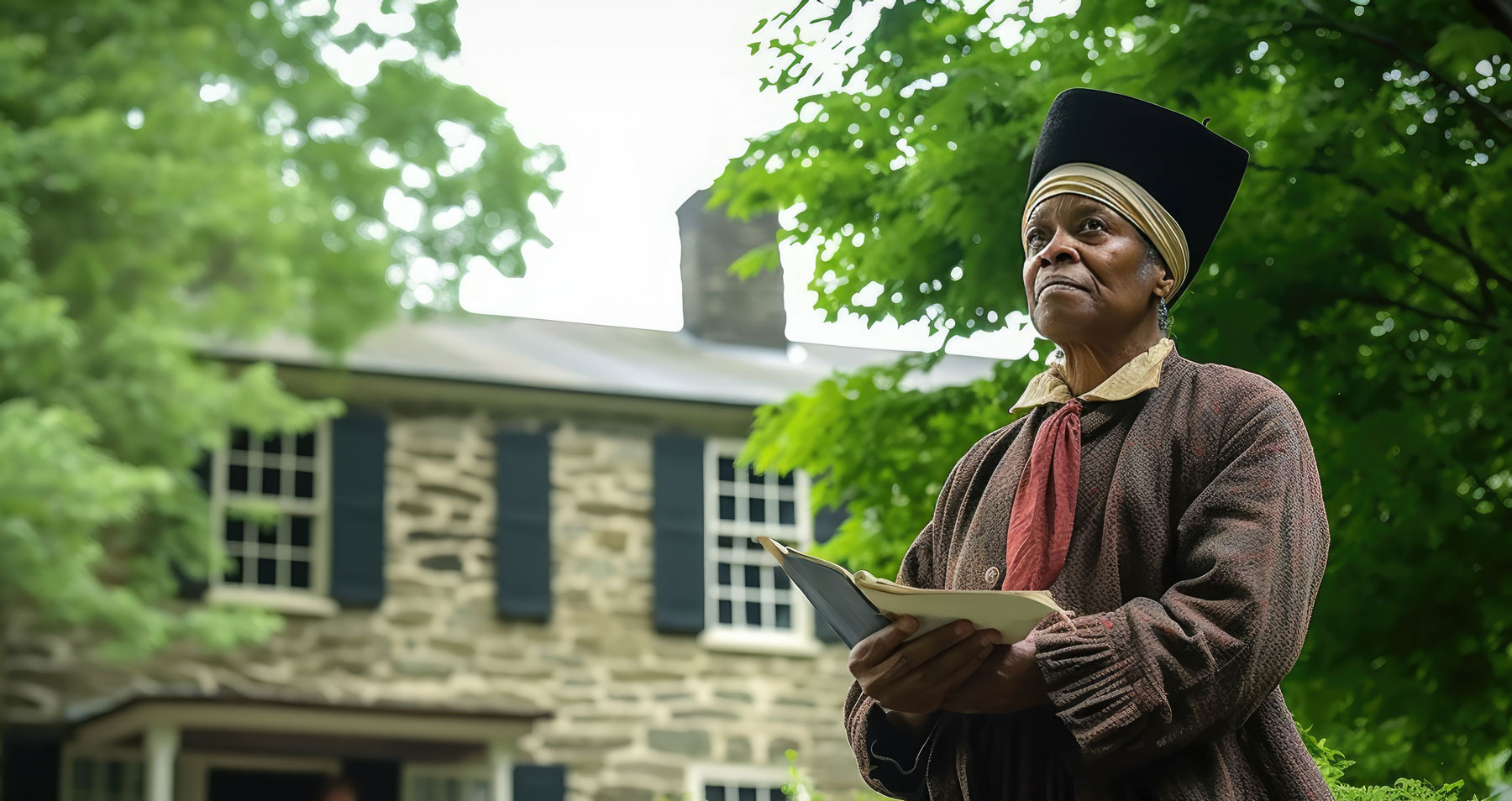

Niagara Falls is renowned for its spectacular waterfalls, but its significance goes far beyond natural beauty. The region holds an essential place in Black Canadian and American history, shaped by the courage of freedom seekers, the dedication of abolitionists, and the legacy of trailblazers like Harriet Tubman. From the Underground Railroad to the Niagara Freedom Trail and the Niagara Falls Underground Railroad Heritage Center, visitors can explore stories of resilience, liberation, and hope.
- Black History Month in Niagara Falls
- The Underground Railroad: Niagara Falls as a Gateway to Freedom
- Harriet Tubman’s Legacy in Niagara Falls
- Historic Landmarks Honoring Black Canadian Heritage
- Niagara Freedom Trail: Walk Through History
- Practical Tips for Visiting Black History Sites in Niagara Falls
- Frequently Asked Questions (FAQ)
- Why Niagara Falls is Essential for Black History Travelers
Black History Month in Niagara Falls
Every February, Niagara Falls celebrates Black History Month with events, exhibits, and storytelling sessions that highlight the region’s pivotal role in the fight for freedom. These experiences allow visitors to connect with the past, honoring the achievements and struggles of Black Canadians while exploring key historical sites across the city, Niagara-on-the-Lake, and across the border in Niagara Falls, New York.
The Underground Railroad: Niagara Falls as a Gateway to Freedom
From 1840 to 1860, the Underground Railroad served as a critical escape network for enslaved Africans seeking safety in Canada. Though it was neither a railroad nor officially recognized, this network of secret routes and safe houses guided freedom seekers to safety.
Niagara Falls emerged as a major crossing point, offering sanctuary to those fleeing slavery. St. Catharines became a safe haven thanks to abolitionists such as Reverend Hiram Wilson, who provided food, shelter, and guidance for newly arrived freedom seekers. Today, historical markers and walking tours preserve these vital stories for visitors.
On the American side, the Niagara Falls Underground Railroad Heritage Center in New York provides an immersive experience of these journeys. Housed in a historic 1863 U.S. Customs House, the center brings freedom seekers’ stories to life through interactive exhibits, recreated environments, and the compelling history of the Cataract House Hotel, where African-American staff secretly assisted travelers on their path to Canada. Opened in 2018, the Heritage Center offers multimedia displays and guided “Freedom Conversation” tours, helping visitors understand the human courage and ingenuity behind the Underground Railroad.
Harriet Tubman’s Legacy in Niagara Falls
Harriet Tubman, known as the “Moses of her people,” is central to Niagara Falls’ Black history. Born into slavery in Maryland, Tubman escaped to freedom in 1849 and courageously returned to the South multiple times to guide others to liberty.
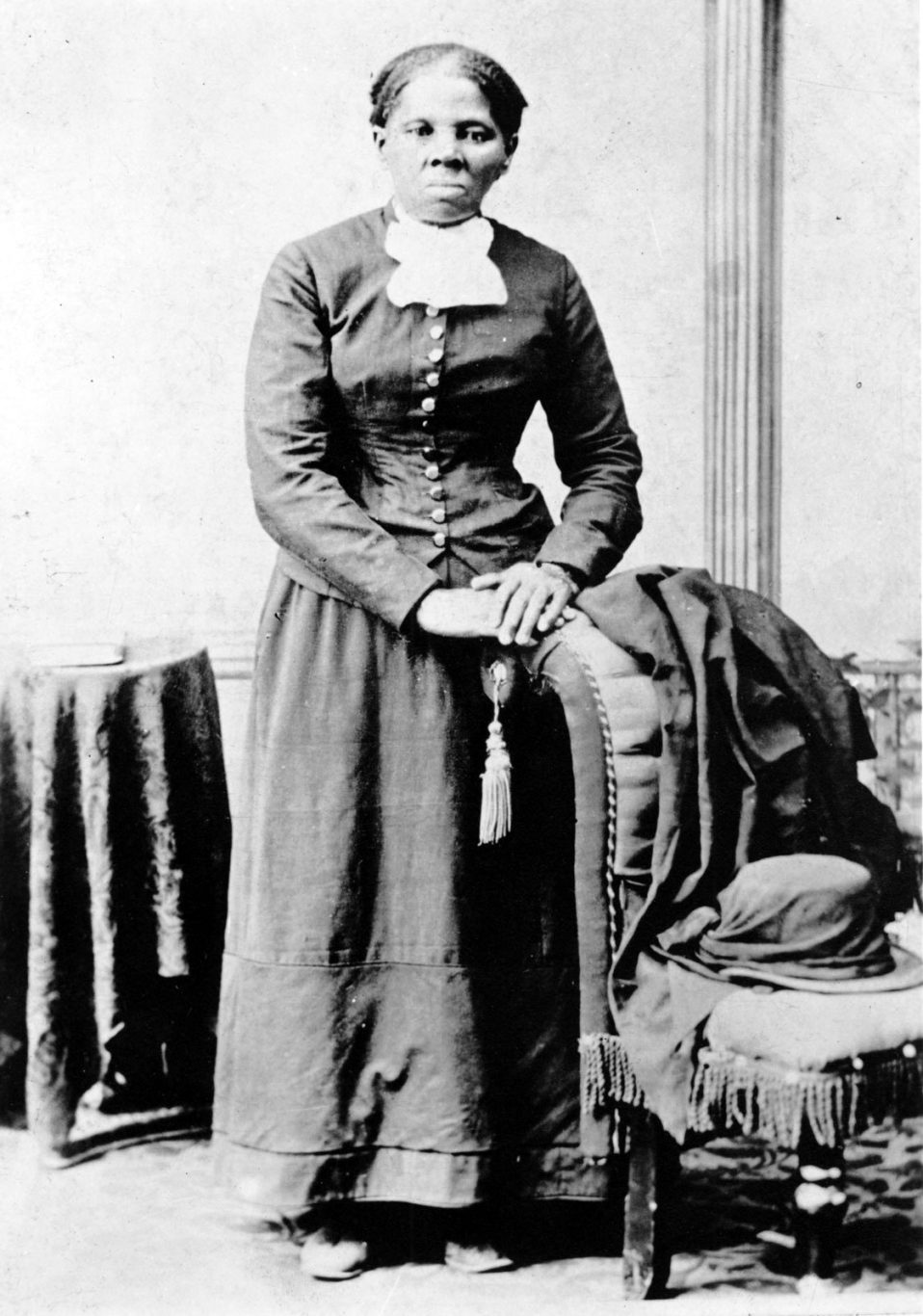
Niagara Falls played a key role in these journeys. Tubman crossed into Canada near the Whirlpool Bridge Plaza, a historic moment commemorated by a plaque at the White Water Walk. Despite the dangers posed by the Fugitive Slave Act of 1850, she made numerous trips, securing freedom for countless individuals. Visiting these sites offers travelers a firsthand connection to her remarkable courage.
Historic Landmarks Honoring Black Canadian Heritage
Several landmarks in Niagara Falls and Niagara-on-the-Lake celebrate Black Canadian history:
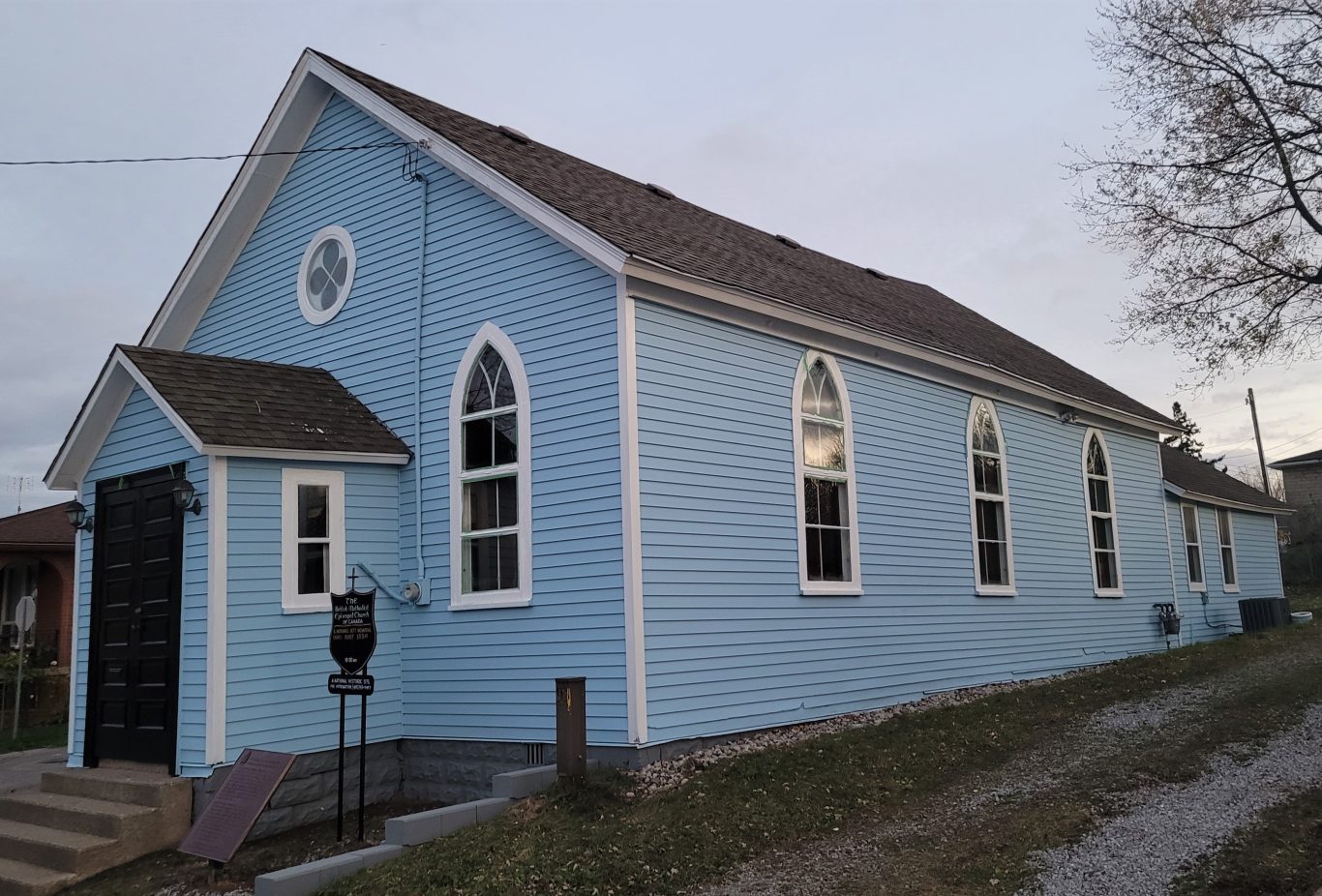
Nathaniel Dett Memorial Chapel:
Built in 1836 and relocated in 1856, the chapel honors composer R. Nathaniel Dett and Burr Plato, the first elected Black man in local government.
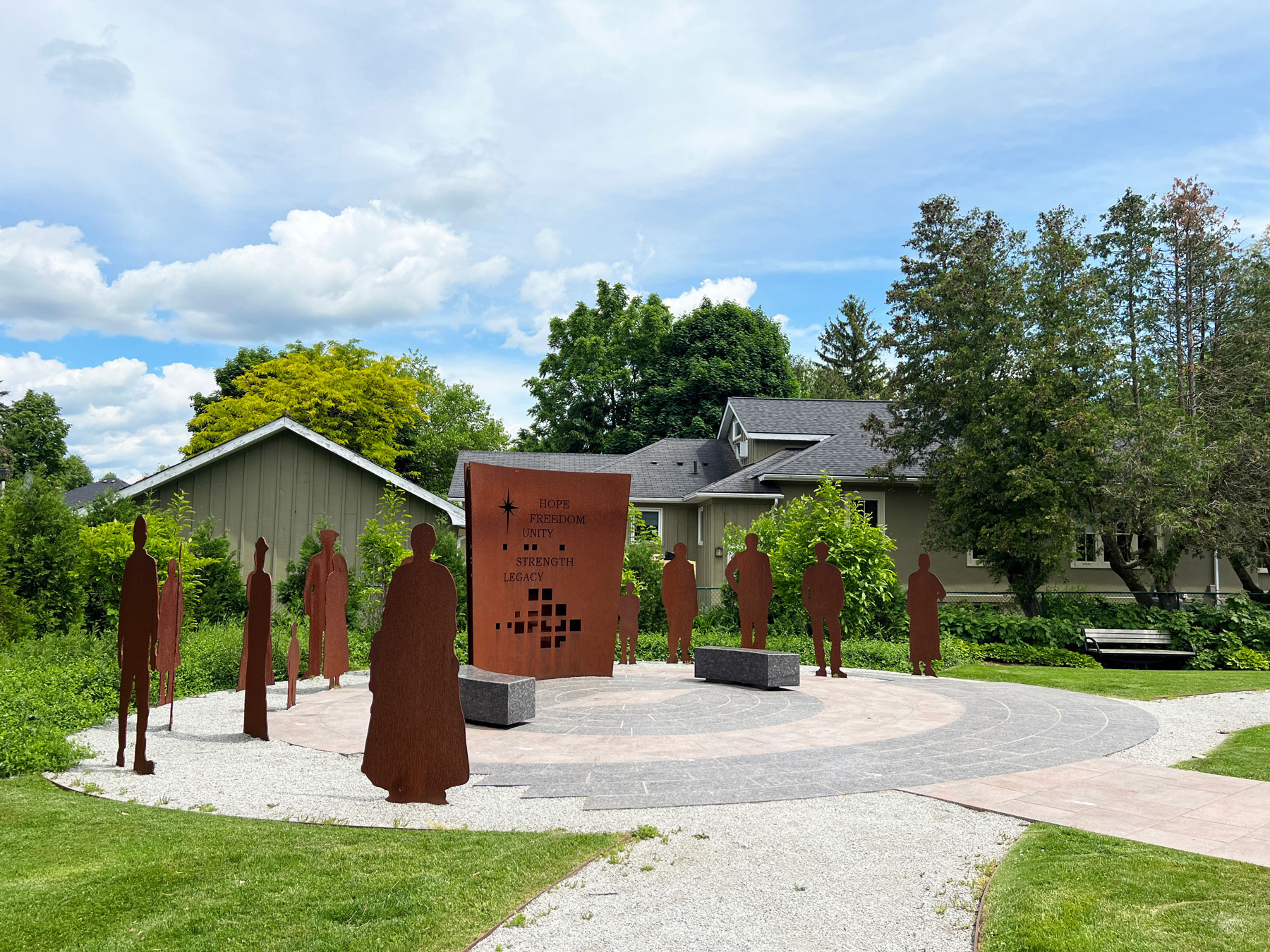
Voices of Freedom Memorial:
This immersive installation uses visuals and storytelling to reflect on the struggles and triumphs of the Black community.
Mackenzie Printery:
Home to the Louis Roy press, this site played a pivotal role in printing the 1793 Act Against Slavery, a landmark step toward abolition in Upper Canada.
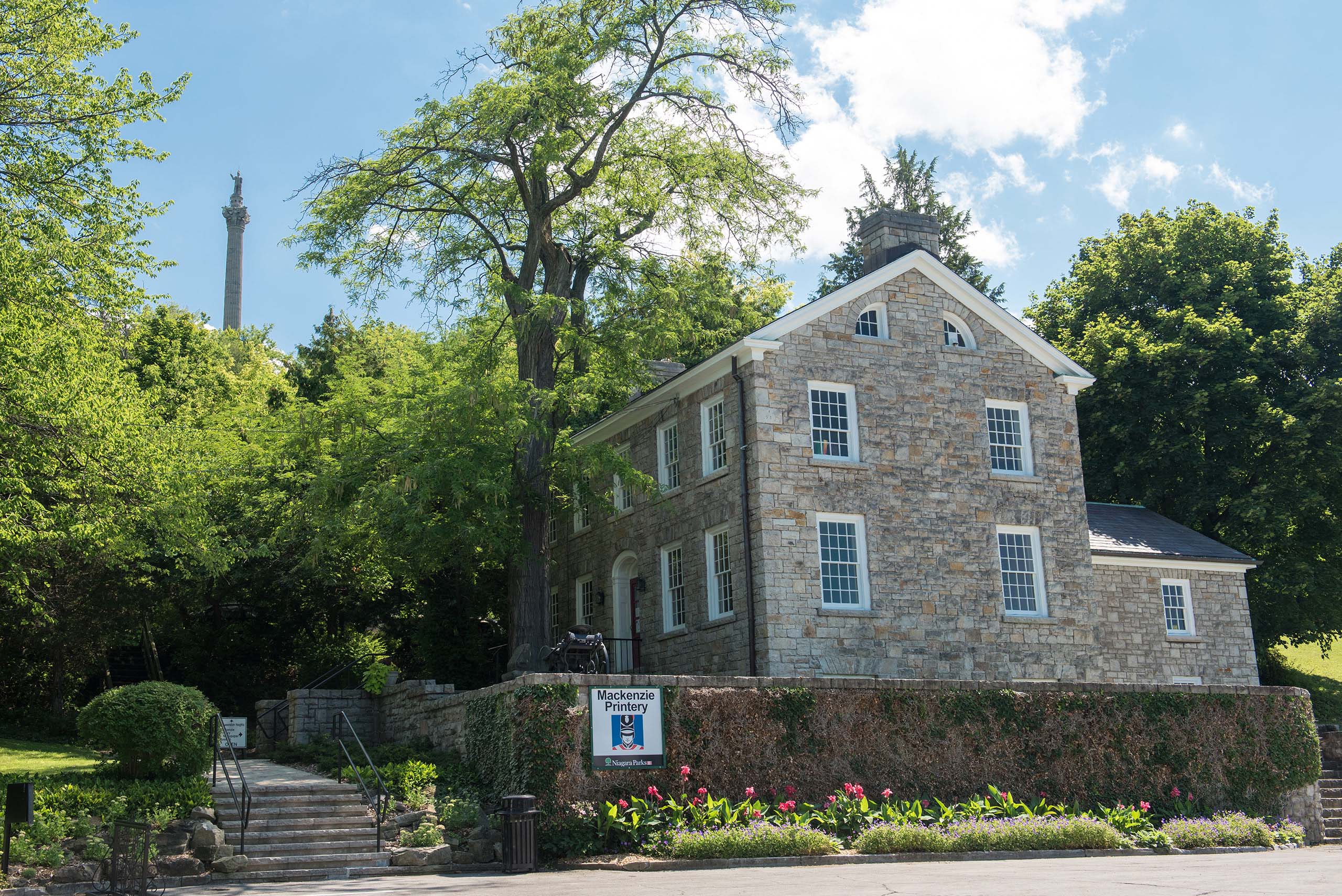
Each location offers insight into the courage and contributions of Black Canadians, making them essential stops for visitors interested in cultural and historical exploration.
Niagara Freedom Trail: Walk Through History
The Niagara Freedom Trail allows visitors to trace the footsteps of freedom seekers along the Underground Railroad. The trail passes through key locations including Fort Erie and St. Catharines, featuring plaques, markers, and displays that provide historical context and personal stories from the era.

Walking the trail is both educational and reflective, giving travelers the opportunity to engage with history in a meaningful and memorable way.


Practical Tips for Visiting Black History Sites in Niagara Falls
Best Time to Visit: February for Black History Month events, or spring for walking tours with mild weather.
Accessibility: Many sites, including the White Water Walk and Niagara Freedom Trail, offer wheelchair-accessible routes.
Guided Tours: Local guides provide deeper insights into the Underground Railroad and Black heritage landmarks.
Transportation: Public buses, shuttles, and car rentals make it easy to explore Niagara Falls and Niagara-on-the-Lake.
Nearby Amenities: Restaurants, cafes, and accommodations are available near most historical sites.
Frequently Asked Questions (FAQ)
A: It is a walking trail that follows the route of the Underground Railroad, passing through key historic sites and towns such as Fort Erie and St. Catharines.
Who was Harriet Tubman and what is her connection to Niagara Falls?
Harriet Tubman was an abolitionist who led enslaved people to freedom via the Underground Railroad. Niagara Falls was one of the Canadian crossing points she used during her missions.
Are there museums dedicated to Black history in Niagara Falls?
The Niagara Falls Underground Railroad Heritage Center in New York and sites like Mackenzie Printery and the Voices of Freedom Memorial provide extensive historical information and interactive exhibits.
Can children explore these sites?
Yes, many sites feature educational programs suitable for children, including storytelling, guided tours, and interactive displays.
Are these sites open year-round?
Most landmarks are accessible year-round, though hours may vary during winter months. Checking ahead is recommended. The Heritage Center in New York is open Wednesday through Sunday.
Why Niagara Falls is Essential for Black History Travelers
Exploring Niagara Falls through the lens of Black history offers a rich, multidimensional experience. Visitors encounter stories of courage, perseverance, and liberation, from Harriet Tubman’s daring missions to the enduring impact of freedom seekers and abolitionists. On both sides of the border, Niagara Falls invites travelers to stand where history was made, reflect on the human spirit, and engage with narratives that remain relevant today.
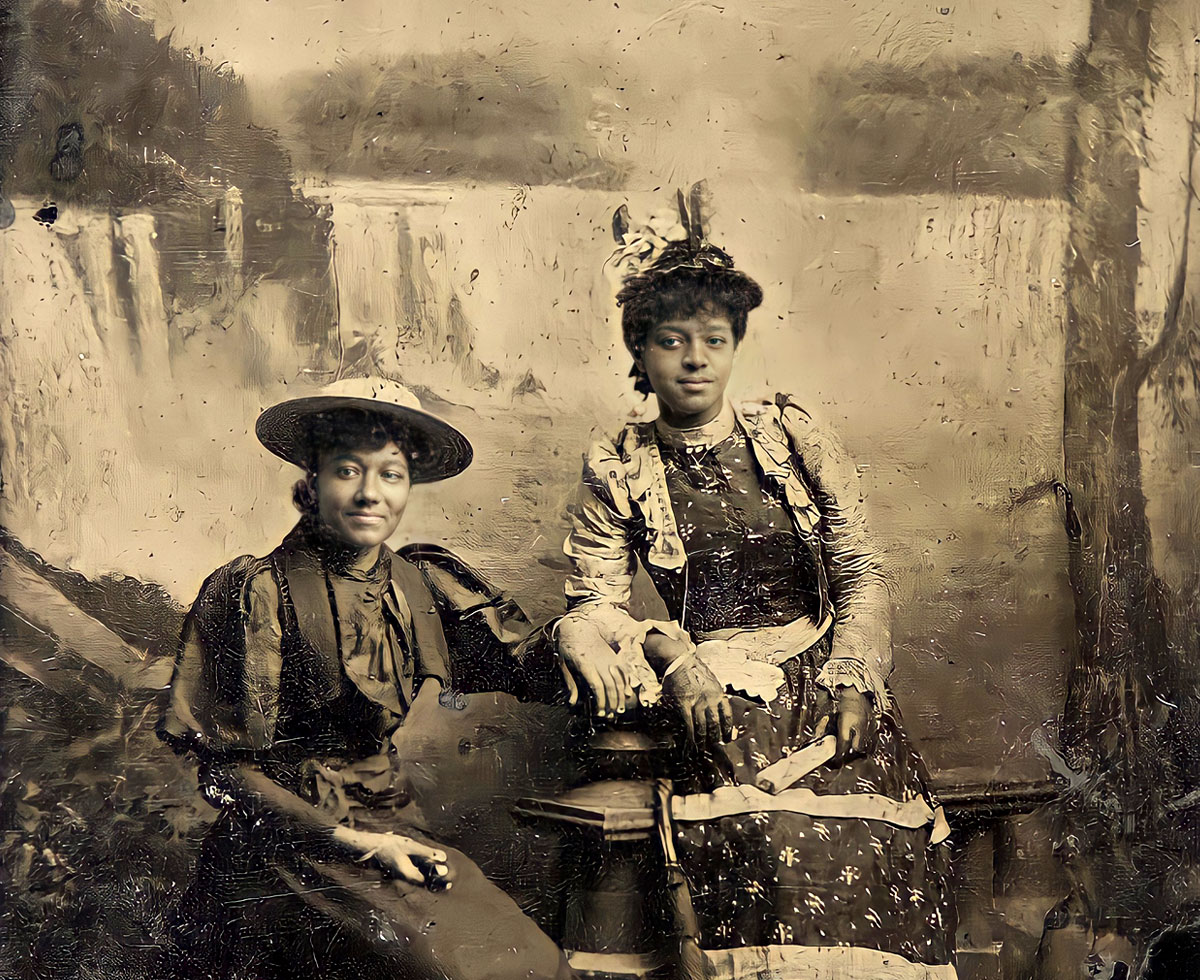
Whether walking the Freedom Trail, visiting historic landmarks, exploring the Niagara Falls Underground Railroad Heritage Center, or participating in Black History Month events, Niagara Falls provides an inspiring journey into the heart of Canada and the United States’ shared fight for freedom and equality.