


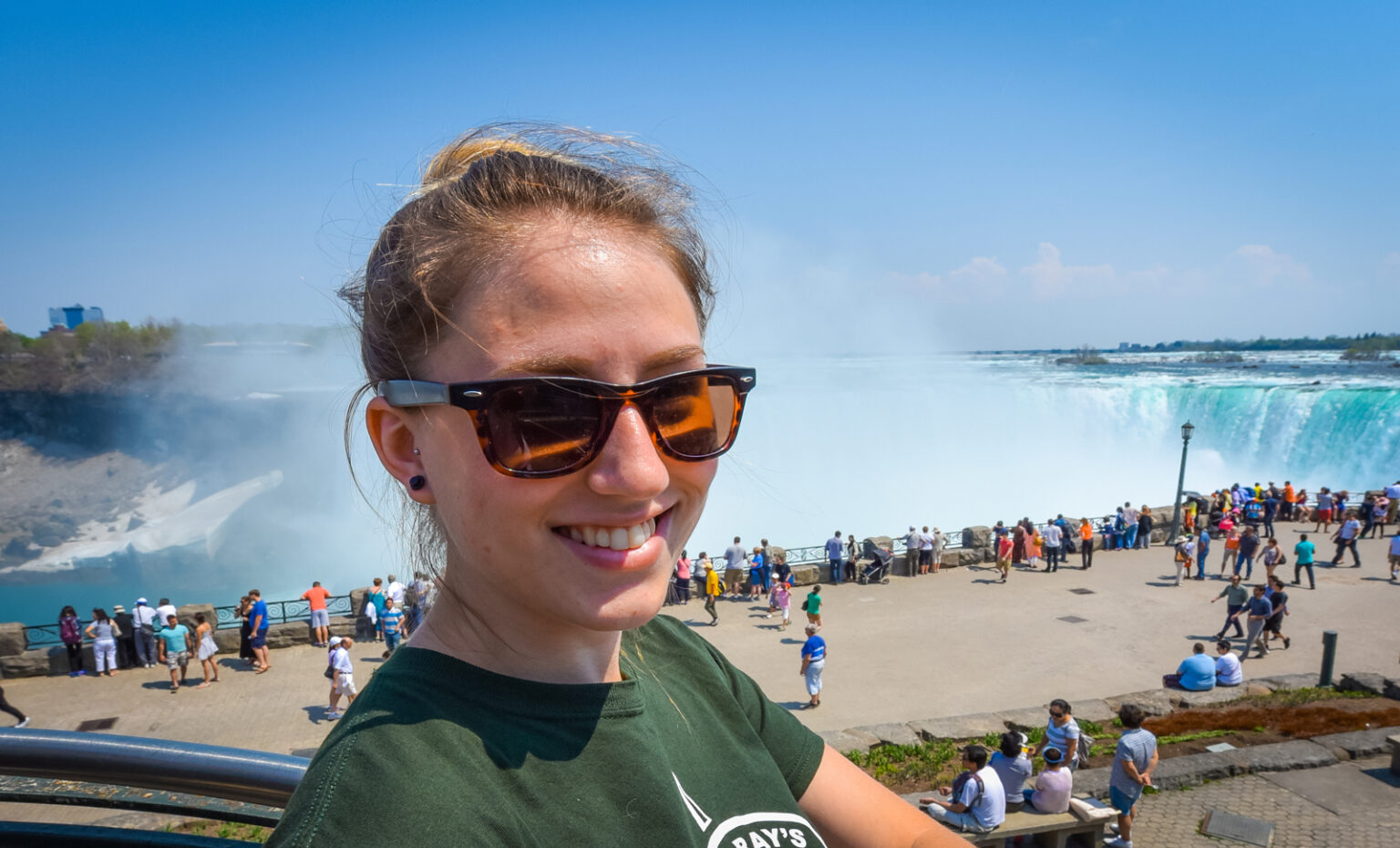

Spring arrives gradually in Niagara Falls, reshaping one of North America’s most visited natural landmarks into something quieter, fresher, and easier to navigate. As winter ice recedes and seasonal attractions begin to reopen, the destination settles into a brief but notable balance: powerful water flow, improving weather, and manageable crowds. For travelers seeking a more measured experience, spring offers conditions that are often overlooked in favor of summer’s peak.
A Season Defined by Movement
By late March and into April, the thaw upstream accelerates water volume over Niagara Falls, giving the cascades a visibly fuller, more forceful presence. The mist rises higher, and the sound carries farther, particularly along the promenade at Queen Victoria Park. Early in the season, patches of lingering ice can still be seen along the lower river, a reminder of winter’s intensity and a feature rarely present later in the year.
The surrounding landscape begins to shift as well. Trees along the Niagara Parkway show early buds, and gardens throughout the park system start their seasonal transition. This gradual change adds texture to the viewing experience, especially compared to the dense greenery of summer.
Easier Access, Fewer Crowds
Spring’s most practical advantage is space. Visitor numbers increase steadily toward May but remain noticeably lower than in July and August. Observation areas, walking paths, and major viewpoints are easier to access without prolonged waits or congestion.
At Table Rock Welcome Centre, one of the closest indoor vantage points to the brink of the Horseshoe Falls, travelers can typically move through exhibits and viewing areas at a relaxed pace. Similarly, attractions like Journey Behind the Falls often operate with shorter queues during this period, particularly on weekdays.
A short walk north, Clifton Hill begins to reawaken for the season. Indoor attractions such as the Niagara SkyWheel and Movieland Wax Museum offer consistent, weather-proof experiences, which can be especially useful on cooler or rainy spring afternoons. With lighter foot traffic, these attractions are easier to enjoy without extended wait times.
Seasoned travelers often plan visits in the morning or late afternoon, when tour bus traffic is lighter and the changing light enhances visibility of the falls. These windows are easier to take advantage of in spring, when schedules are less constrained by peak demand.
Comfortable, If Variable, Weather
Spring weather in Niagara Falls is transitional. Daytime temperatures generally range from cool to mild, often between 8°C and 18°C (46°F to 64°F), depending on the month. Conditions can shift quickly, with sunshine giving way to brief rain or mist from the falls intensifying the chill near the water.
Layered clothing and waterproof outerwear are widely recommended. The combination of river spray and spring breezes can make the air feel cooler than forecasted temperatures suggest, especially near exposed viewpoints.
On unsettled weather days, Clifton Hill’s indoor attractions provide a practical counterbalance. Experiences like Dinosaur Adventure Golf—with both indoor and outdoor components—allow visitors to stay active without committing entirely to outdoor conditions.
By May, longer daylight hours and more consistent warmth extend the window for outdoor exploration, including cycling routes and riverside walks.
Seasonal Attractions Begin to Reopen
Spring marks the return of several signature experiences. Boat tours operated by Niagara City Cruises typically resume in late April or early May, offering close-up views of the falls once ice conditions allow safe navigation. The reopening is a key seasonal milestone and often signals the broader start of the tourism season.
Nearby, Niagara Parks Butterfly Conservatory provides a consistent indoor option, particularly on cooler days, with a controlled tropical climate and thousands of free-flying butterflies. It remains accessible year-round but feels especially appealing in early spring when outdoor gardens are still emerging.
Clifton Hill’s attractions begin extending hours during this period as well. The Niagara Speedway, one of the area’s more weather-dependent experiences, typically prepares to reopen as temperatures stabilize, adding an outdoor option that complements the falls’ natural setting.
A More Flexible Pace
Spring allows for a different rhythm. Restaurants, attractions, and viewing areas are active but not yet operating at peak capacity. Reservations are easier to secure, and spontaneous planning is more feasible.
Dining along the falls, including locations near Table Rock, offers clearer views and shorter wait times. Outdoor patios begin to open as temperatures rise, providing direct sightlines to the river and falls without the density of summer crowds.
A short distance away, Clifton Hill transitions into its evening atmosphere with less intensity than in peak season. Attractions like the Fallsview Indoor Waterpark and nearby entertainment venues provide additional options for families or groups looking to extend their day indoors.
Evening experiences remain a draw. The illumination of the falls continues nightly, casting color across the water after sunset. Fireworks displays, which typically begin later in the season, are less frequent early in spring, contributing to a quieter nighttime atmosphere.
Positioning Niagara Falls Within a Broader Trip
Spring also aligns well with regional exploration. The nearby town of Niagara-on-the-Lake begins to reopen its wineries and seasonal businesses, while maintaining a slower pace than in peak months. The Niagara wine region transitions into early vineyard activity, offering a different perspective from the harvest-focused fall season.
Travelers often pair a visit to the falls with short drives along the Niagara Parkway, where traffic remains lighter and scenic stops are easier to access.
Frequently Asked Questions: Practical Notes for Your Visit
Mid-April through late May typically offers the most balanced conditions, with stronger water flow, moderate temperatures, and the return of key attractions. Early April can still feel wintry, while late May begins to approach early summer demand.
What should I pack for a spring visit?
Layered clothing, a waterproof jacket, and comfortable walking shoes are essential. The mist from the falls can quickly soak clothing, especially near observation areas.
How can I avoid crowds at Niagara Falls?
Weekdays and early mornings provide the most space. Late afternoons also tend to be quieter, particularly outside of holiday periods.
Are all attractions open during spring?
Most major attractions begin reopening in stages throughout April and May. Indoor attractions on Clifton Hill operate more consistently, while outdoor experiences are more dependent on weather conditions.
Is spring a good time to visit with family?
Yes, spring is a great time for families. Many family-friendly attractions are open or reopening, and shorter wait times make visits more manageable. Indoor options on Clifton Hill provide flexibility during variable weather.
How long should I stay in Niagara Falls?
A one- to two-night stay allows enough time to explore the falls, enjoy Clifton Hill attractions, and experience the surrounding region without feeling rushed.
Spring in Niagara Falls offers a clear advantage for travelers who value space, flexibility, and a more natural pace. The destination’s defining features remain fully present—powerful water flow, accessible viewpoints, and a growing range of experiences—without the intensity of peak-season crowds.