


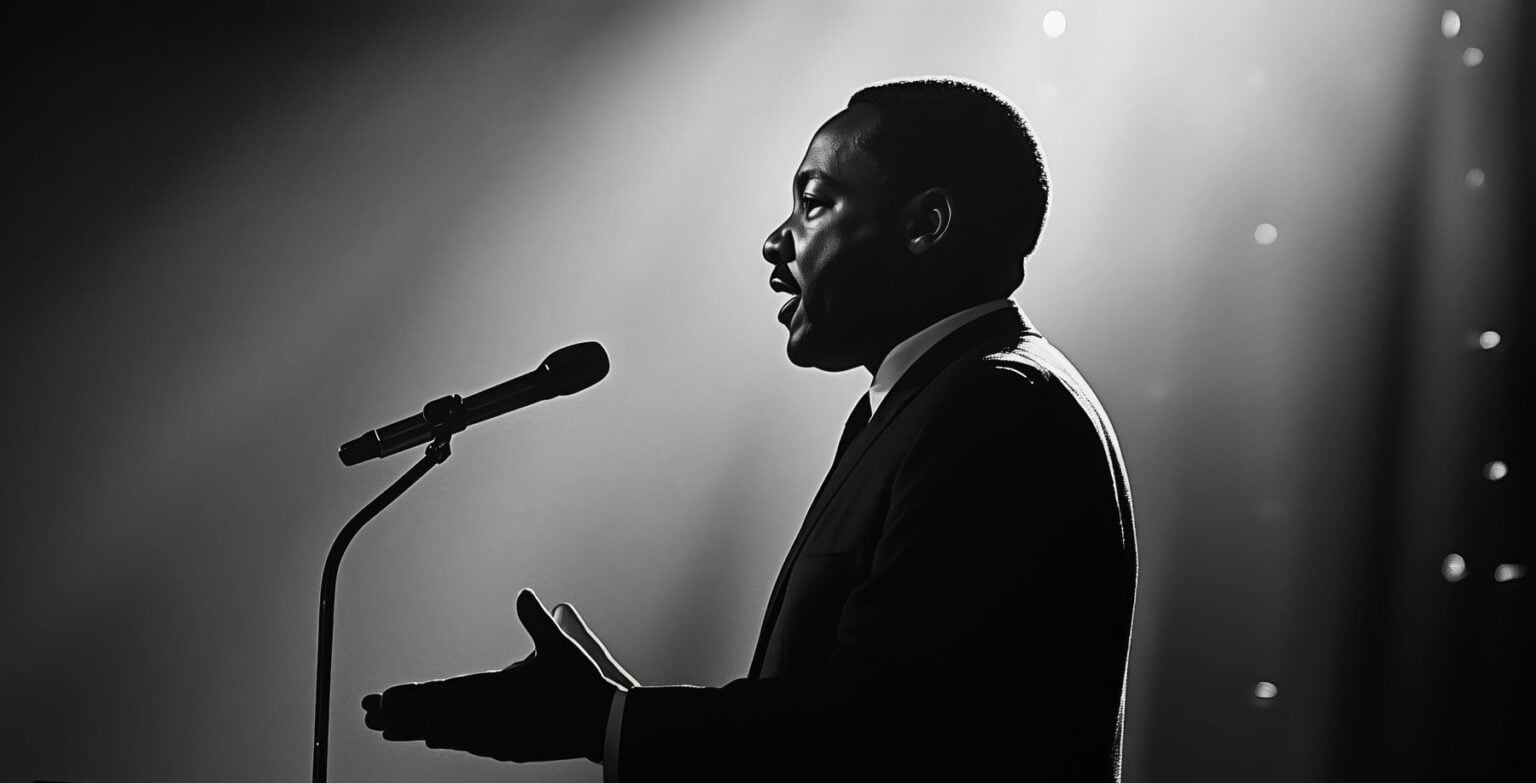

Honoring a Legacy of Equality, Service, and Shared Humanity. Observed each year on the third Monday of January, Martin Luther King Jr. Day invites reflection on the life and work of one of the most influential moral leaders of the twentieth century. In 2026, the holiday falls on January 19th, offering space to consider how Dr. King’s principles of equality, nonviolence, and civic responsibility continue to shape communities on both sides of the Canada–United States border
Martin Luther King Day: January 19th, 2026
This day carries meaning beyond remembrance. It serves as a moment to examine the ongoing responsibility to uphold justice, strengthen community ties, and recognize the interconnected history of civil rights in North America.
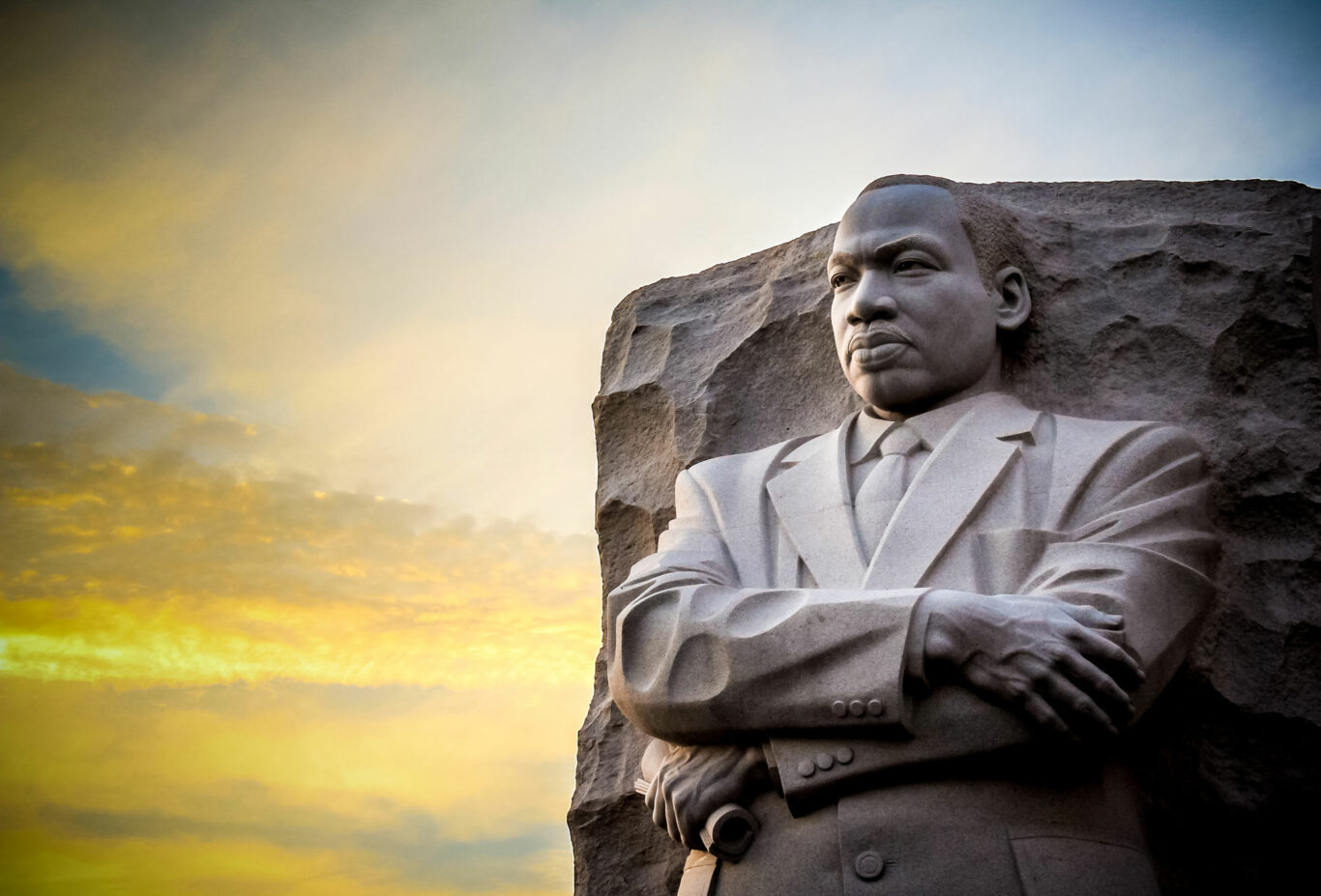
In his “Conscience for Change” lectures, King frequently praised Canada for its assistance in emancipating slaves, claiming that Canada stood as the North Star in the battle for freedom.
Who Was Martin Luther King Jr.?
Dr. Martin Luther King Jr. emerged as a central voice of the American Civil Rights Movement through his unwavering commitment to nonviolent action. As a Baptist minister and community organizer, he helped lead campaigns that challenged racial segregation, voter suppression, and economic inequality across the United States.
His address during the 1963 March on Washington articulated a vision rooted in dignity and moral clarity, calling for a society in which individuals are measured by character and conscience. That speech, now woven into global history, reflected themes that defined his broader work: faith-informed leadership, disciplined activism, and a belief in the moral arc of justice.
“I Have A Dream” Speech
In 1964, King became the youngest recipient of the Nobel Peace Prize at age 35, recognized for advancing human rights through peaceful means. Although his life was cut short in 1968, his influence endures. Martin Luther King Jr. Day was signed into law in 1983 and first observed nationally in 1986, establishing a lasting public commitment to his ideals.
Canada’s Role in the Fight for Freedom
While Dr. King’s leadership is closely associated with the American civil rights struggle, he often acknowledged Canada’s historical role in the broader pursuit of freedom. During his “Conscience for Change” lectures, he described Canada as a guiding light for enslaved people seeking liberty, referencing its reputation as a destination along the Underground Railroad.
Niagara played a significant role in that history. Throughout the nineteenth century, freedom seekers traveled north through an informal network of routes and safe houses, aiming to reach British North America, where slavery was abolished in 1834. The Niagara River marked a final threshold for many, crossed by boat or under cover of night, often at great personal risk.
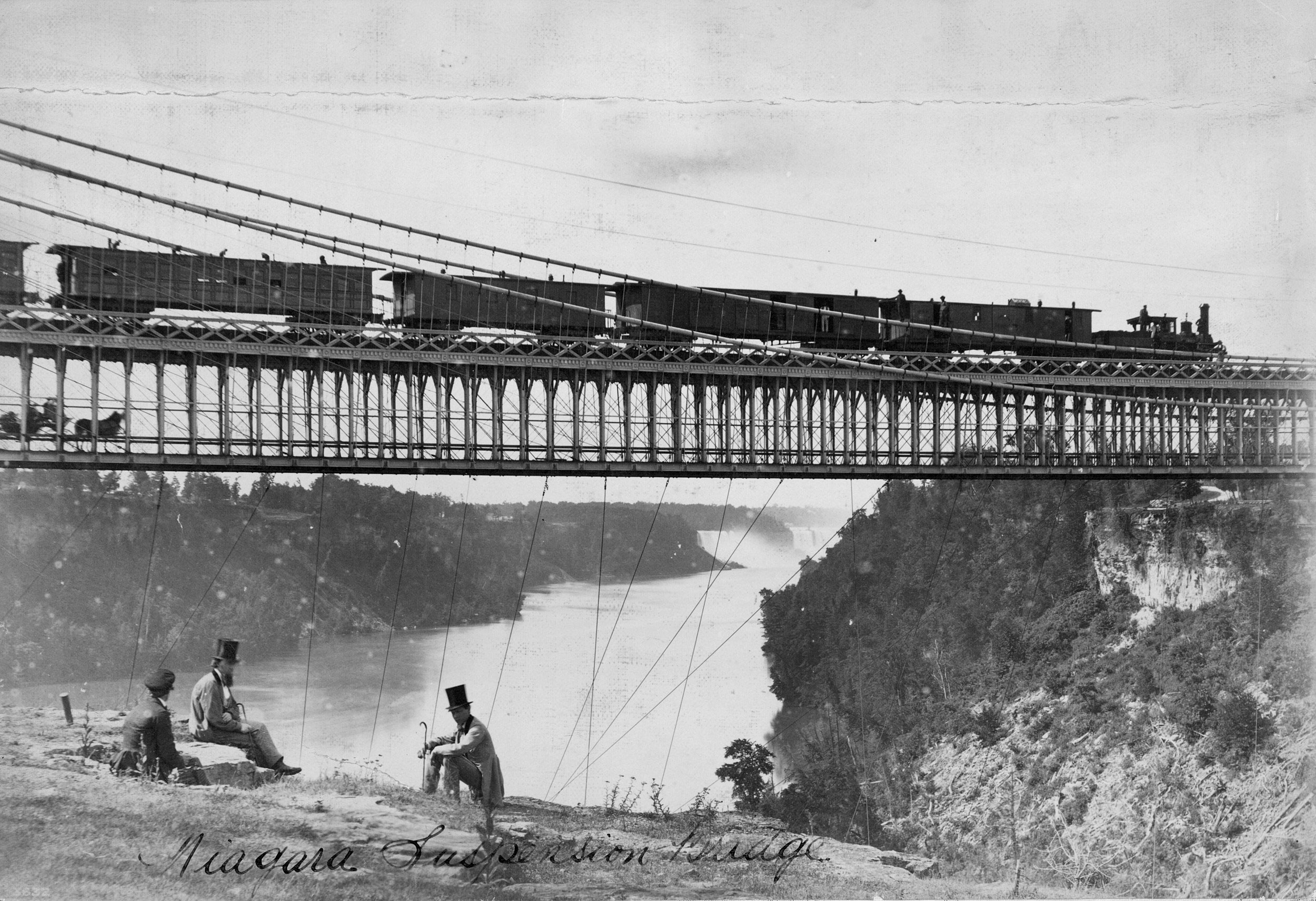
Communities such as Niagara-on-the-Lake, St. Catharines, and Fort Erie became places of refuge. Local residents, churches, and abolitionist networks provided shelter, employment, and support, helping newly arrived families establish independent lives. This shared history underscores Canada’s place in the international story of human rights and moral courage.
King’s Connection to Niagara Falls
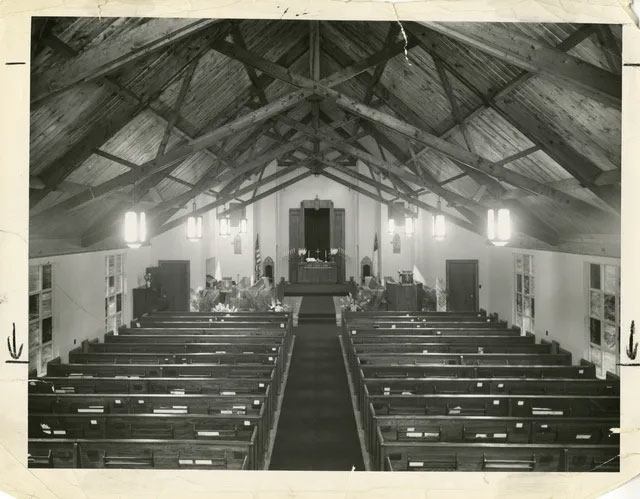
Dr. King’s connection to the Niagara region extends beyond historical symbolism. On July 22, 1956, at the age of 27, he spoke at New Hope Baptist Church in Niagara Falls, New York. The visit came at the invitation of his seminary friend, Reverend H. Edward Whitaker, and followed months of national attention focused on King’s leadership during the Montgomery Bus Boycott.
When he arrived, the church was filled to capacity. King spoke about the boycott and its wider implications, linking the experiences of African Americans in the American South with those living in border communities such as Niagara Falls. For many in attendance, the message offered both affirmation and practical guidance for addressing local challenges.
During his stay, King was shown the waterfalls, an experience that later found its way into his reflections. He spoke of the Falls as a profound expression of creation, using the landscape as a metaphor for endurance, movement, and moral purpose. The moment remains part of the region’s living history, connecting a world-renowned natural landmark with the ongoing pursuit of human dignity.
A Legacy of Equality and Justice
Martin Luther King Jr. Day honors a set of values that continue to resonate across borders and generations.
Commitment to Equality and Justice
King’s vision of a society grounded in fairness aligns with Canada’s historical role as a place of refuge for freedom seekers. The holiday highlights shared ideals that link civil rights movements in both countries.
The Power of Nonviolence
His disciplined approach to peaceful protest demonstrated that meaningful social change can be achieved through moral conviction rather than force. That example continues to influence movements for justice worldwide.
Shared Courage and Responsibility
The risks taken by those who escaped slavery and by those who assisted them reflect the same courage King displayed throughout his life. Their stories emphasize collective responsibility in confronting injustice.
Education and Memory
Understanding the Underground Railroad and its connections to places like Niagara provides younger generations with a broader, international context for human rights history.
Service and Community Engagement
Martin Luther King Jr. Day is also recognized as a day of service, encouraging participation in community-building efforts that reflect King’s belief in active citizenship.
A Timeless Call to Unity
In his 1963 Letter from Birmingham Jail, King wrote that injustice in one place threatens justice everywhere, describing humanity as bound together by shared destiny. That message remains deeply relevant. Niagara’s history as a crossing point for freedom seekers stands as a tangible reminder that the pursuit of justice has never been confined by national borders.
“I cannot sit idly by in Atlanta and not be concerned about what happens in Birmingham. Injustice anywhere is a threat to justice everywhere. We are caught in an inescapable network of mutuality, tied in a single garment of destiny. Whatever affects one directly, affects all indirectly.”- Letter from Birmingham Jail, 1963
As Martin Luther King Jr. Day is observed in 2026, it offers an opportunity to honor a legacy rooted in moral clarity, compassion, and collective action. By remembering both King’s work and Canada’s role in the broader fight for freedom, the day encourages renewed commitment to building communities defined by dignity, responsibility, and unity.
one nation under god is a meaning that no man is better than another acceptance and forgiveness makes life more meaningful than all the riches in the world.