



On Wednesday, September 30, 2026, Niagara Falls will join communities across Canada in observing the National Day for Truth and Reconciliation and Orange Shirt Day.
- What Is National Day for Truth and Reconciliation?
- National Day for Truth and Reconciliation Events in Niagara Falls
- Every Child Matters Flag Ceremony at Niagara Falls City Hall
- Niagara Falls Will Be Illuminated Orange
- Indigenous History Along the Niagara River
- Landscape of Nations at Queenston Heights
- Indigenous Connections Along the Niagara Parkway
- Rekindling All Our Relations at Niagara Glen
- Visiting Niagara Falls on September 30
- Learning Beyond September 30
- Frequently Asked Questions
The day honours the children who never returned home from residential schools, Survivors, their families and communities. It is also an opportunity to learn more about the histories and living cultures of First Nations, Inuit and Métis peoples, and to understand why reconciliation extends well beyond a single day.
In Niagara Falls, the 2026 observance includes a community ceremony at City Hall and a special orange illumination of Niagara Falls after dark.
What Is National Day for Truth and Reconciliation?
September 30 became the National Day for Truth and Reconciliation in 2021, establishing a federal statutory holiday dedicated to public commemoration of the history and ongoing legacy of Canada’s residential school system.
The date coincides with Orange Shirt Day, an Indigenous-led grassroots movement inspired by residential school Survivor Phyllis Webstad.
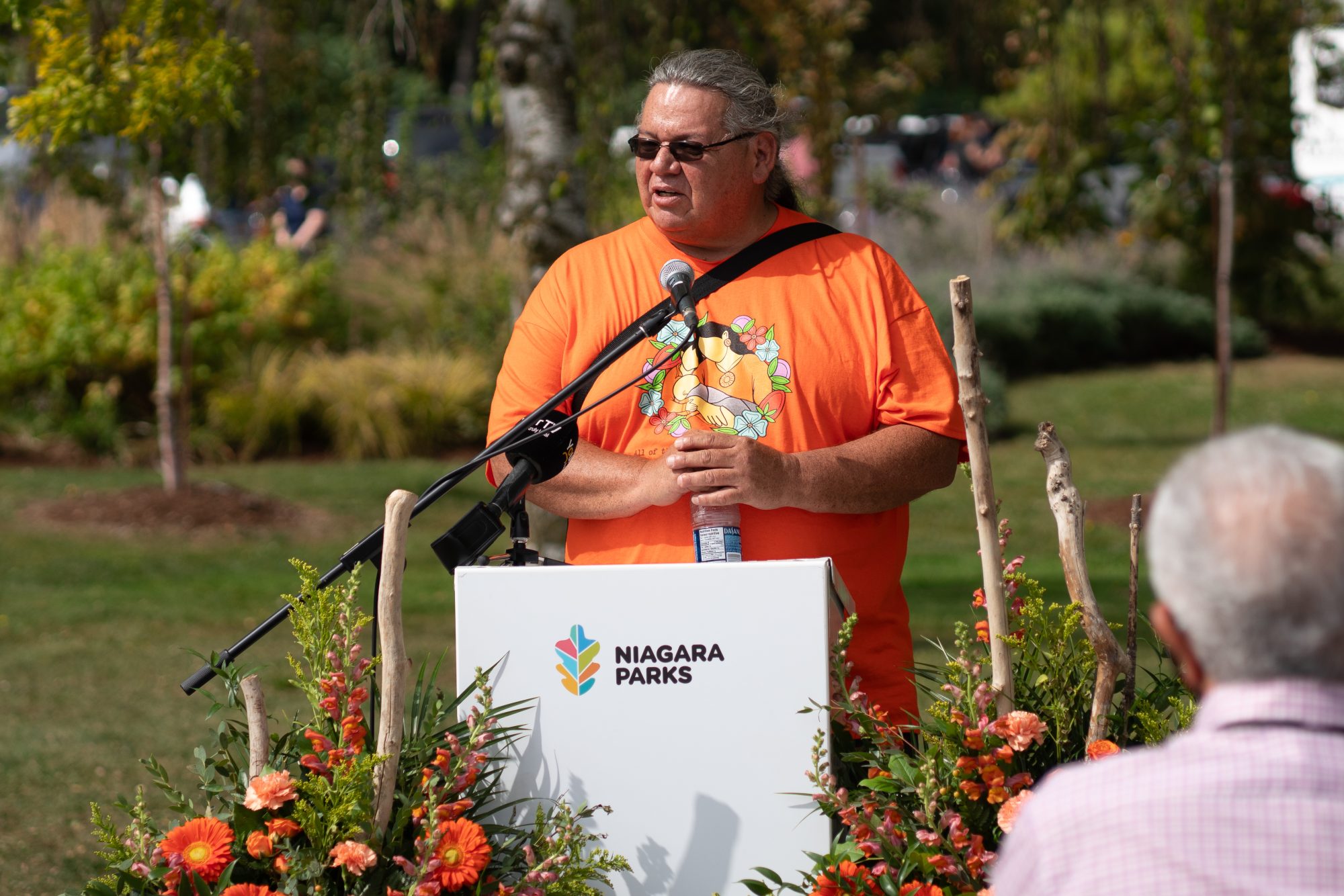
When Webstad was six years old, she arrived at St. Joseph Mission Indian Residential School wearing a new orange shirt her grandmother had bought for her. The shirt was taken from her shortly after she arrived. Her experience became the foundation of Orange Shirt Day and its message that Every Child Matters.
Today, wearing orange on September 30 is one visible way people recognize Survivors and remember the children who did not return home.
National Day for Truth and Reconciliation Events in Niagara Falls
Every Child Matters Flag Ceremony at Niagara Falls City Hall
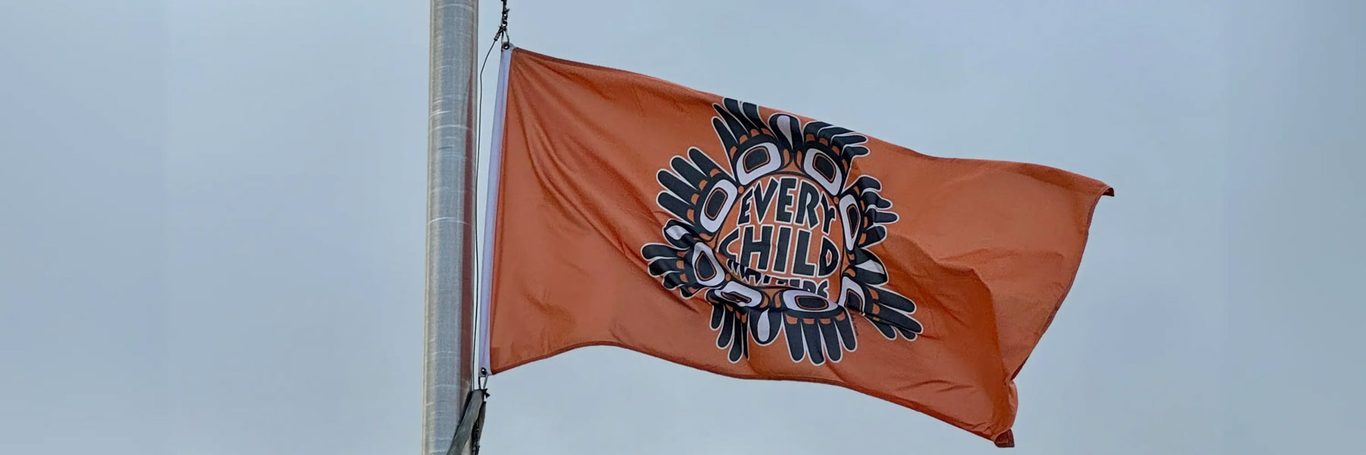
The City of Niagara Falls will hold an Every Child Matters flag raising and lowering ceremony on Wednesday, September 30.
The flag will be raised and then lowered to half-staff in recognition of the National Day for Truth and Reconciliation and Orange Shirt Day.
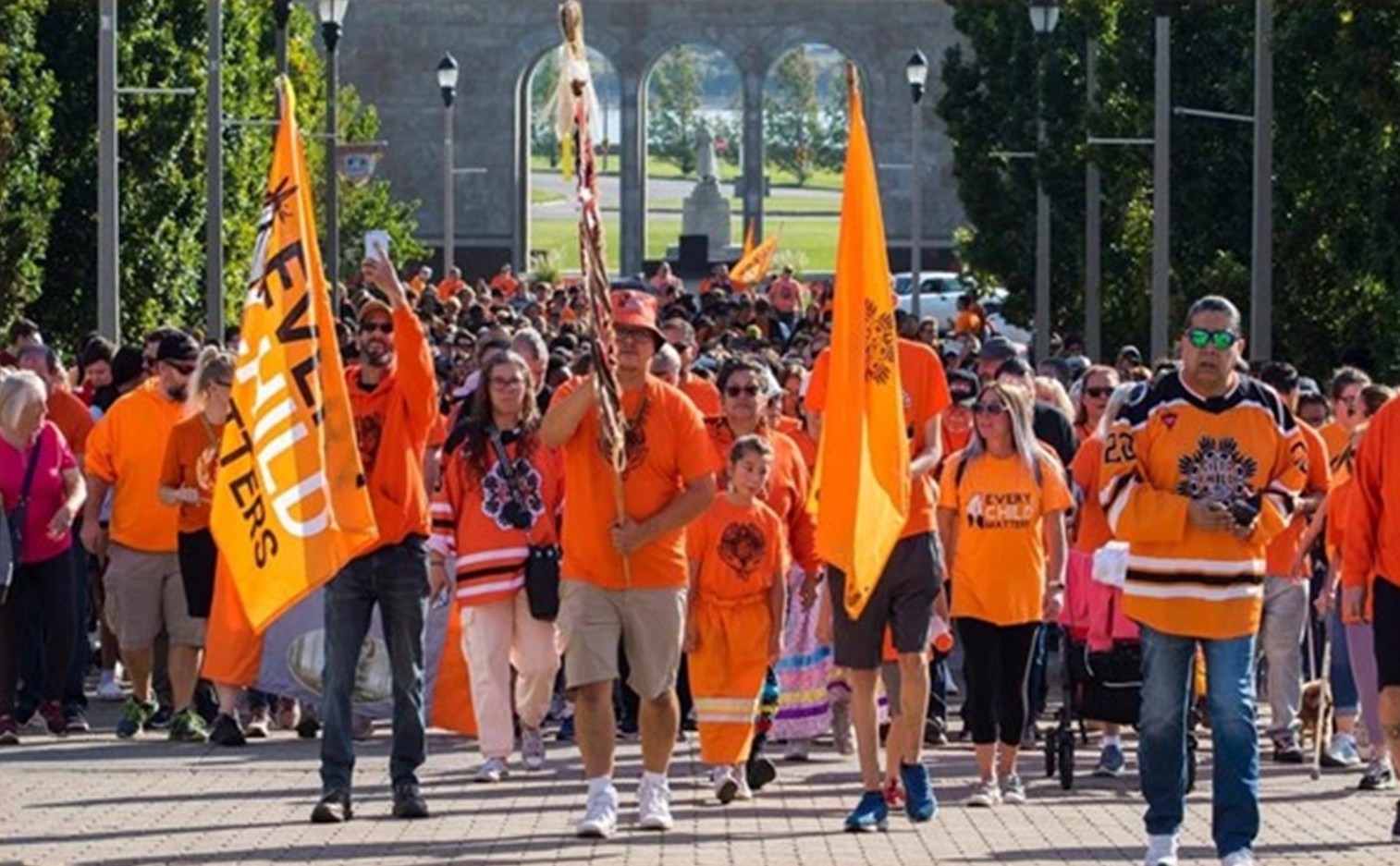
When: Wednesday, September 30, 2026 at 10:00 a.m.
Where: Rosberg Flag Poles, Niagara Falls City Hall, 4310 Queen Street
Who: Mayor Jim Diodati, members of Niagara Falls City Council and the community
Members of the public and Indigenous community members are welcome to attend, and participants are encouraged to wear orange.
Niagara Falls Will Be Illuminated Orange
After dark, Niagara Falls will be illuminated in orange to mark the National Day for Truth and Reconciliation and Orange Shirt Day.
According to the Niagara Falls Illumination Board’s 2026 schedule, the Falls will glow orange for 15 minutes at the top of every hour on September 30. Regular nightly illumination begins at 6:30 p.m. during the final days of September.
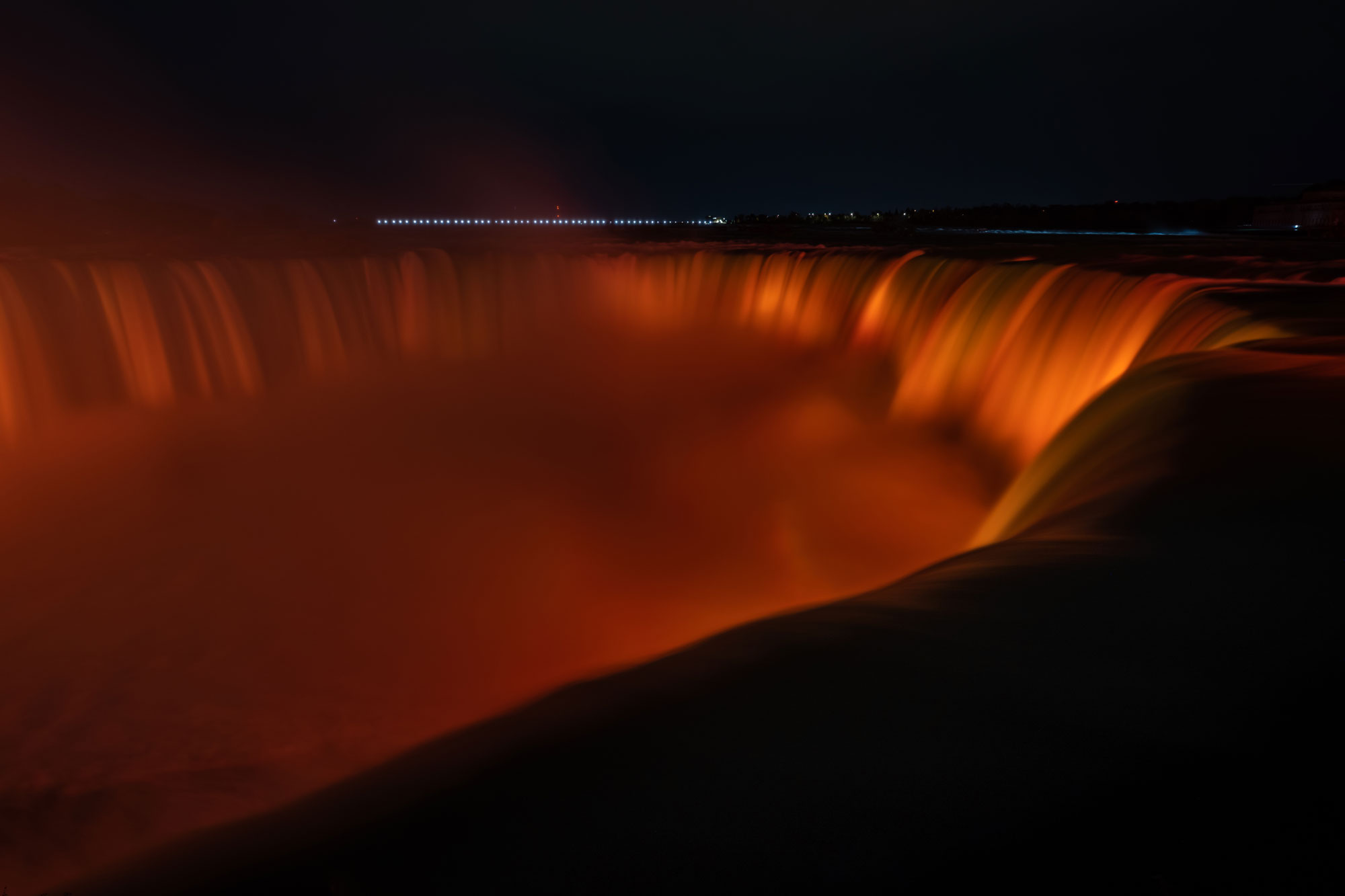
Visitors can see the illumination from the usual viewing areas in Queen Victoria Park, including the walkway near Table Rock Centre and viewpoints along the Niagara Parkway.
The illumination is a visible commemoration, but the meaning behind September 30 is more important than the colour itself. For visitors spending the day in Niagara, there are several places nearby where the region’s Indigenous history can be explored in greater depth.
Indigenous History Along the Niagara River
The history of Indigenous peoples in Niagara reaches far beyond the modern city and the tourism district.
Niagara Parks notes that oral tradition and archaeological evidence indicate Indigenous peoples have lived along the Niagara River corridor for approximately 13,000 years. The region has longstanding connections to Haudenosaunee and Anishinaabe peoples, while Indigenous nations played important roles in the history of the Niagara River, its lands and the conflicts that shaped what later became Canada.
Several places along the Niagara Parkway provide opportunities to learn more.
Landscape of Nations at Queenston Heights
About a 15-minute drive north of Clifton Hill, the Landscape of Nations Memorial at Queenston Heights recognizes the Haudenosaunee Confederacy and other Indigenous allies who participated in the War of 1812.
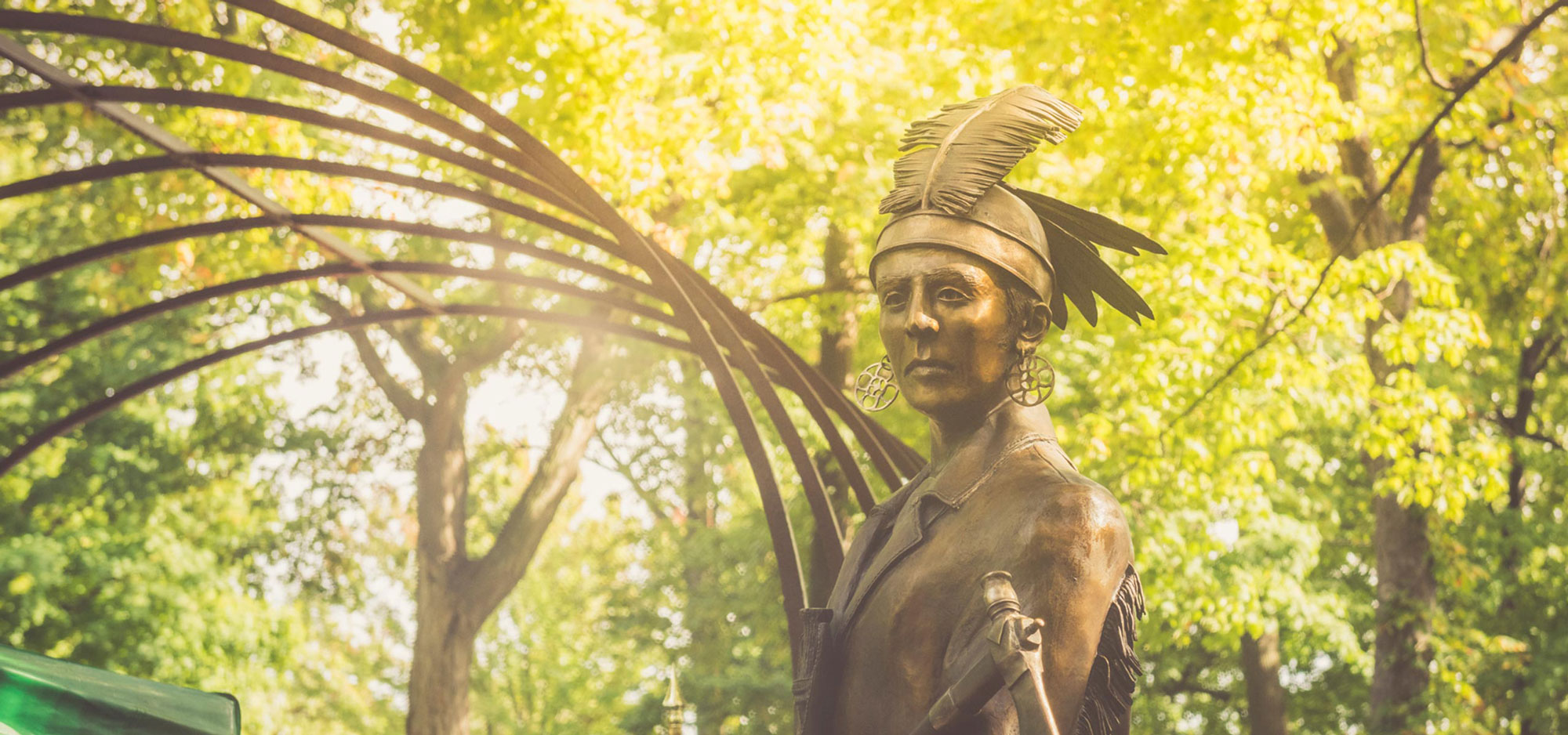
The memorial also commemorates the peace and reconciliation gathering held in Niagara on August 31 and September 1, 1815, following the war.
It is a year-round, self-guided site within Queenston Heights Park.

Indigenous Connections Along the Niagara Parkway
Niagara Parks has developed an Indigenous Connections Along the Parkway experience that identifies Indigenous history at locations stretching from Fort Erie to Niagara-on-the-Lake.
The route connects places, archaeological sites, memorials and stories along the Niagara River corridor rather than treating Indigenous history as a single stop or isolated chapter of the region’s past.
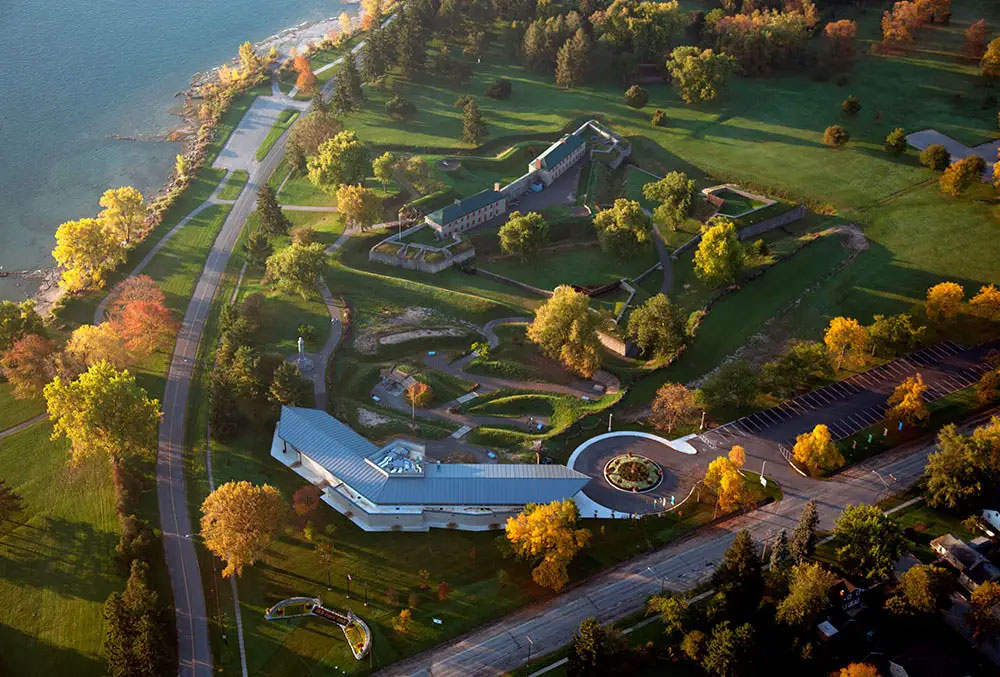
Among the locations explored are Old Fort Erie, Queenston Heights and the Niagara Glen.
Rekindling All Our Relations at Niagara Glen
Visitors exploring the Niagara Glen can also experience Rekindling All Our Relations, a self-guided Indigenous audio experience connected to the landscape of the Niagara River Gorge.
It offers another way to encounter Indigenous perspectives in the place itself — alongside the river, forest and geological landscape that have shaped life in Niagara for thousands of years.
Visiting Niagara Falls on September 30
The National Day for Truth and Reconciliation is a federal statutory holiday. However, it is not one of Ontario’s nine public holidays under the province’s Employment Standards Act, so many Niagara Falls attractions, restaurants and tourism businesses may continue operating normally. Individual operating hours can still vary.
Visitors who will be in Niagara Falls on September 30 can participate respectfully by attending the City Hall ceremony, wearing orange, viewing the illumination and — importantly — taking time to learn why the day exists.
For families travelling with children, the day can also be an opportunity to introduce age-appropriate conversations about residential schools, Indigenous history and the meaning behind Orange Shirt Day.
Learning Beyond September 30
Reconciliation is not limited to an annual ceremony.
The National Centre for Truth and Reconciliation maintains educational materials and records connected to Canada’s residential school system, while the Truth and Reconciliation Commission’s 94 Calls to Action provide a broader framework for understanding the work that remains.

Locally, Niagara’s historic sites provide another starting point. The Indigenous history of the Niagara River is present in the landscape around the Falls, the Niagara Glen, Queenston Heights and communities throughout the region.
Taking the time to learn those stories can give visitors a fuller understanding of Niagara — one that reaches much further back than the attractions, buildings and borders visible today.
Frequently Asked Questions
National Day for Truth and Reconciliation is Wednesday, September 30, 2026. It is observed on September 30 each year.
The City of Niagara Falls will hold an Every Child Matters flag ceremony at 10:00 a.m. at City Hall, and Niagara Falls will be illuminated orange for 15 minutes at the top of every hour after dark.
Orange Shirt Day was inspired by residential school Survivor Phyllis Webstad, whose new orange shirt was taken from her when she entered residential school as a child. Wearing orange recognizes Survivors, remembers the children who did not return home and reinforces the message that Every Child Matters.
September 30 is a federal statutory holiday, but it is not one of Ontario’s nine Employment Standards Act public holidays. Many tourism businesses can therefore remain open, although visitors should confirm individual attraction, restaurant or service hours before arriving.s
Local places to begin include the Landscape of Nations Memorial at Queenston Heights, Niagara Parks’ Indigenous Connections Along the Parkway, and the Rekindling All Our Relations experience at Niagara Glen. These sites help place Niagara’s Indigenous history within the landscape of the Niagara River itself.
For more information on Niagara’s indigenous culture, visit niagaraparks.com.