


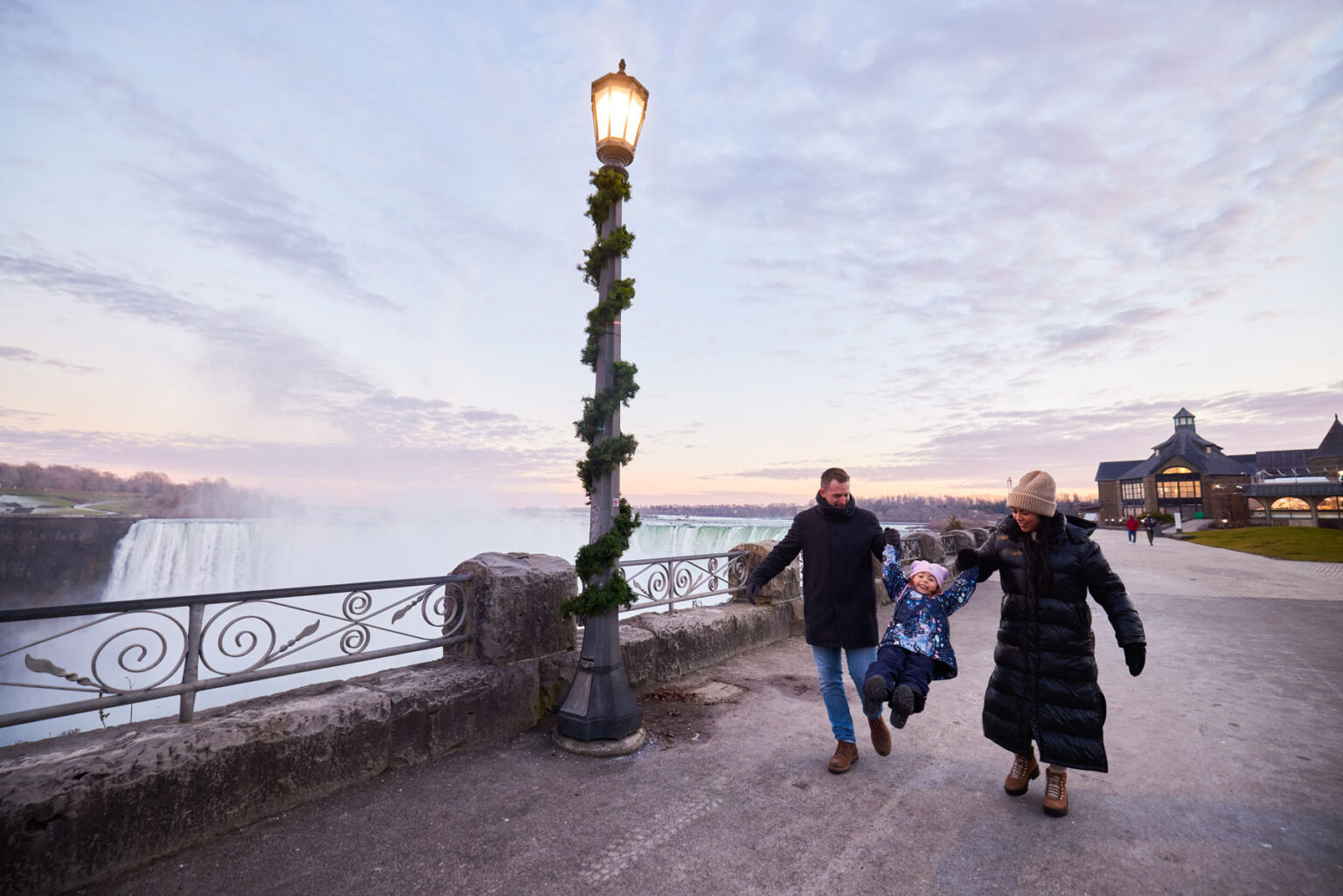

Niagara Falls draws travelers year-round with its signature waterfalls, but March introduces a quieter, introspective side of the city. Winter’s grip loosens, leaving trails of mist rising from the gorge and streets lined with early signs of spring. For families, students, and visitors seeking a memorable March Break without straining their budget, the city offers experiences that balance spectacle with accessibility.
The centerpiece of any visit remains the falls themselves. From vantage points along the Niagara Parkway, the Horseshoe and American Falls present a continuous display of icy torrents, where seasonal sheets of ice cling to rocks and railings. Photographers often note that early morning and late afternoon light produces subtle rainbows in the mist, providing compelling compositions without requiring entry to commercial observation decks. Queen Victoria Park, positioned between Clifton Hill and the riverfront, offers walking paths that are open year-round, allowing visitors to move at their own pace while taking in both natural and landscaped vistas. Its formal gardens, though dormant in March, frame the river and gorge with sweeping sightlines that highlight the falls’ scale and surrounding topography.
Cultural and historical explorations offer budget-conscious visitors insight into the region’s past. The Niagara Falls History Museum provides a compact but informative overview of local industry, hydroelectric development, and tourism evolution, with suggested donation admission that accommodates flexible budgets. Seasonal walking tours, often led by local guides or community groups, highlight architectural landmarks, early 20th-century hotels, and historic neighborhoods. These tours reveal the layers of Niagara Falls beyond its natural features, from preserved hydroelectric stations to early tourism infrastructure, enriching an understanding of how the city developed as an international destination.
Outdoor recreation can also be surprisingly accessible during March. Trails along the Niagara Glen Nature Reserve trace the Niagara River’s lower rapids, winding through Carolinian forests and geological formations that date back to the last ice age. The paths are maintained year-round, though winter footing can be slippery, so proper footwear is recommended. Birdwatchers frequently note that early spring brings returning species along the gorge, making short excursions both affordable and rewarding. Nearby, the Welland Canal Trail offers an unobstructed path for walking or cycling along one of Canada’s major shipping arteries, connecting small towns and urban parks without entry fees.
For families and visitors seeking lighter activity, Clifton Hill’s public areas provide engaging visual stimulation. Neon signage, seasonal displays, and accessible plazas allow casual exploration without committing to paid attractions. Smaller, themed installations—often refreshed for March Break—give children the chance to interact with the environment while adults observe architecture, lighting design, and pedestrian rhythms unique to this entertainment corridor.
Local markets and community spaces offer another way to experience Niagara without spending heavily. Weekly farmers’ markets, often beginning in mid-March, showcase regional produce, baked goods, and crafts. Entry is free, and visitors can sample seasonal flavors at minimal cost. Similarly, public libraries and civic centers sometimes host free workshops, reading hours, and interactive exhibits during March Break, reflecting a community-focused approach to accessible education and recreation.
Niagara Falls in March encourages travelers to plan deliberately, with attention to daylight hours, weather variability, and transit options. Crowds are smaller than in summer months, allowing for relaxed pacing along walking routes and at scenic lookouts. Seasonal nuances, such as partial ice formations and early migrant birds, reward visitors who allocate time to explore beyond the primary tourist hubs.
Practical Notes for Your Visit
Timing and Weather: March temperatures typically range from –2°C to 8°C (28–46°F). Dressing in layers is essential, and windproof outerwear will help manage gusts near the gorge. Early or late in the day, mist combined with cold can create icy conditions on paths and observation areas.
Transportation: Public transit and local shuttles connect main attractions, but walking along the Niagara Parkway or Clifton Hill remains the most direct way to explore without spending. Parking at Queen Victoria Park is limited, so early arrival is advisable.
Accessibility: Many outdoor paths are partially cleared of snow, but some trails in the Niagara Glen or along the gorge may be uneven or icy. Seasonal signage advises caution.
Free Attractions: Key no-cost sites include the falls from riverside vantage points, Queen Victoria Park, the Niagara Glen Nature Reserve trails, and public plazas along Clifton Hill. Community libraries and civic centers frequently host free March Break programming suitable for children and teens.
Planning Tips: Visitors benefit from combining indoor and outdoor activities to accommodate variable weather. A walking itinerary along the riverfront, followed by a stop at a local museum or library program, balances both enrichment and physical activity without significant expense.
Niagara Falls offers more than its iconic waterfalls; March provides a quieter window to explore natural landscapes, cultural touchpoints, and seasonal community experiences without relying on commercial attractions. Thoughtful pacing and attention to weather and daylight ensure that a budget-friendly visit can still feel complete and engaging.