


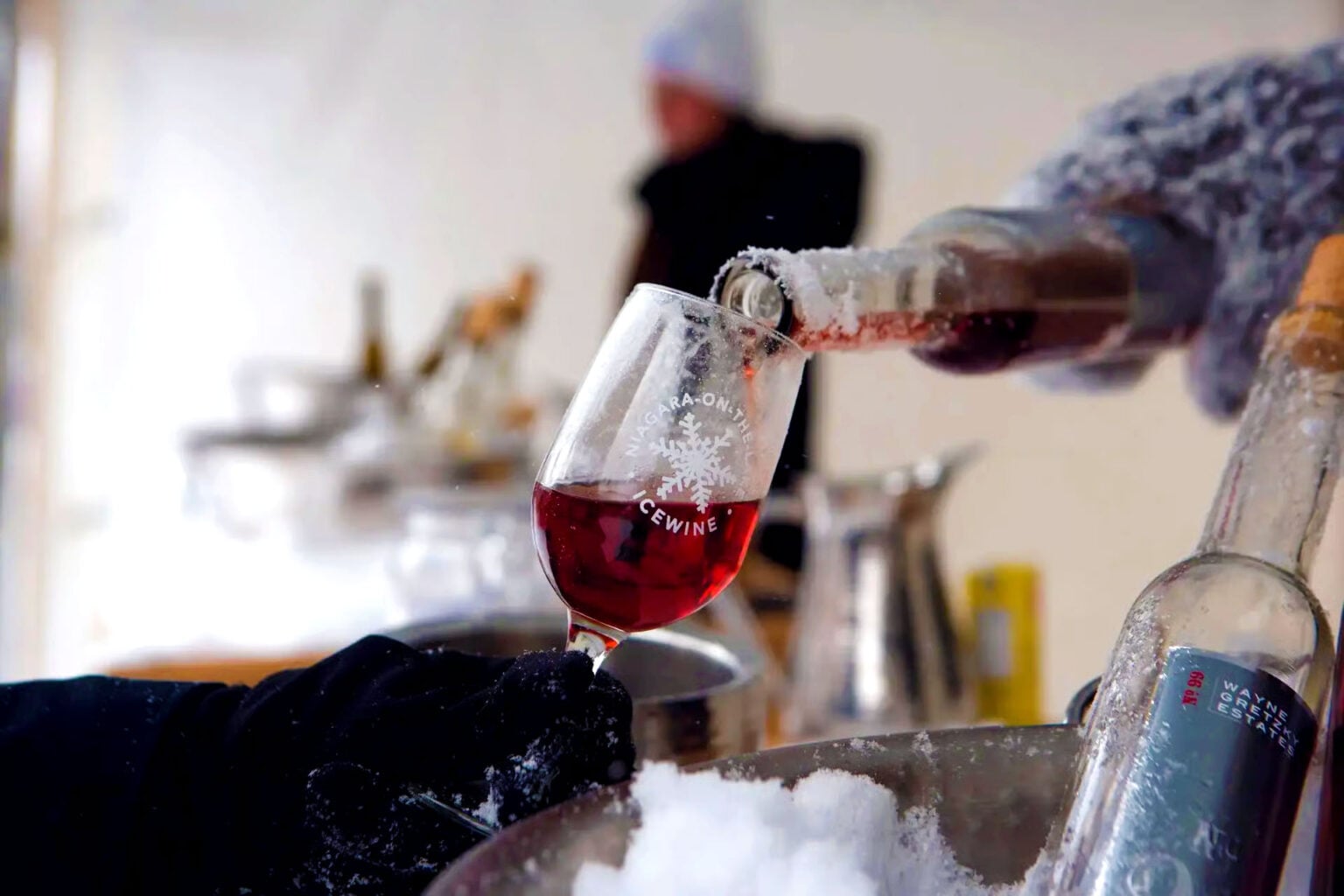

Niagara in winter reveals dramatic landscapes and seasonal celebrations shaped by the cold. As vineyards rest beneath frost and historic towns welcome visitors, the Niagara Icewine Festival brings structure and purpose to winter travel. With events running through January and into early February, this annual tradition showcases Icewine — a style for which Niagara is internationally recognized — alongside cultural gatherings, outdoor experiences, and family-friendly activity options.
January 16-18 | 23-25 | 30-February 1st 2026
Central to the season is the Cool As Ice Gala in Niagara Falls, a signature evening that brings people together to explore Icewine alongside regional food and wine expertise. Coupled with everyday winter experiences and lively attractions like Clifton Hill, visitors discover how the region embraces winter with both refined tasting experiences and approachable activities.
Cool As Ice Gala — Niagara Falls’ Main Icewine Event
On January 31, 2026, the Cool As Ice Gala takes place at the Niagara Parks Power Station, transforming this iconic industrial space into a winter celebration of wine and food. The gala gathers wineries, chefs, and cultural partners to present Icewine and VQA wines alongside locally inspired culinary offerings.
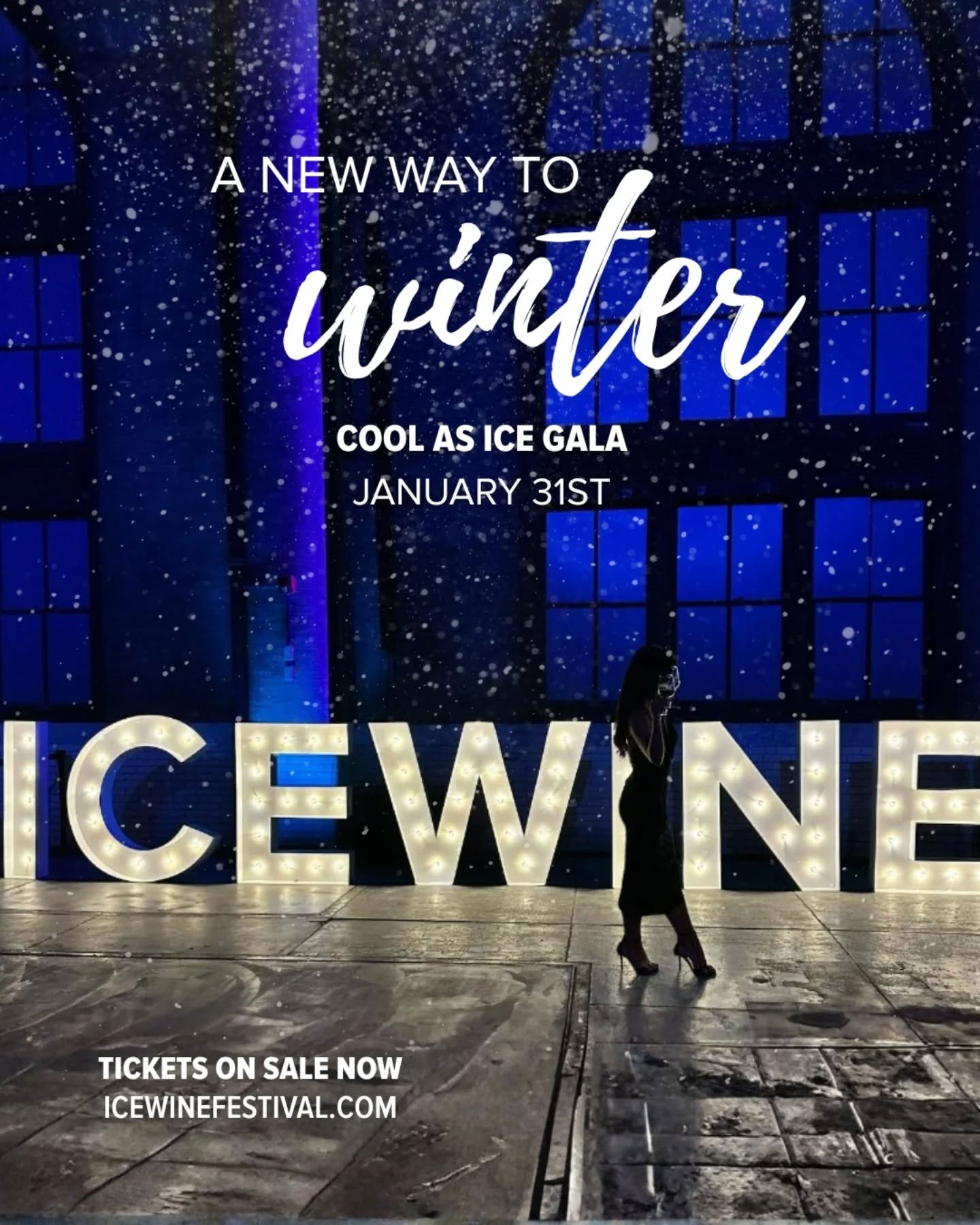
Rather than a traditional sit-down dinner, the gala features stations where guests move through tastings and engage with winemakers and chefs. This structure supports gradual exploration of styles, reinforcing how Icewine’s natural sweetness and acidity can pair with a range of flavours. The evening also includes live arts performances and an atmosphere suited to both first-time visitors and repeat attendees.
Niagara Falls provides a practical base for the gala with a range of accommodations, dining options, and winter attractions that encourage longer stays around the event.
Seeing Niagara Falls in Winter
The famous waterfalls and surrounding river landscapes transform in winter, adding a striking natural dimension to a seasonal visit.
Partially Frozen Cascades: Cold temperatures along the Niagara River create icy formations on rock faces and along the edges of Horseshoe and American Falls, where mist-laden air freezes into crystalline layers. These formations change daily with temperature and flow, offering continually fresh views.
Winter Promenade Views: Walkways and observation decks on both the Canadian and American sides provide safe vantage points to experience winter’s effect on the water. Ice buildup along rails, guard stones, and shoreline boulders frame sweeping views that contrast with the steady river current below.
Photographic Moments: Snow blankets nearby wooded areas and paths, reflecting light differently throughout the day and creating opportunities for photography that are unique to the season.
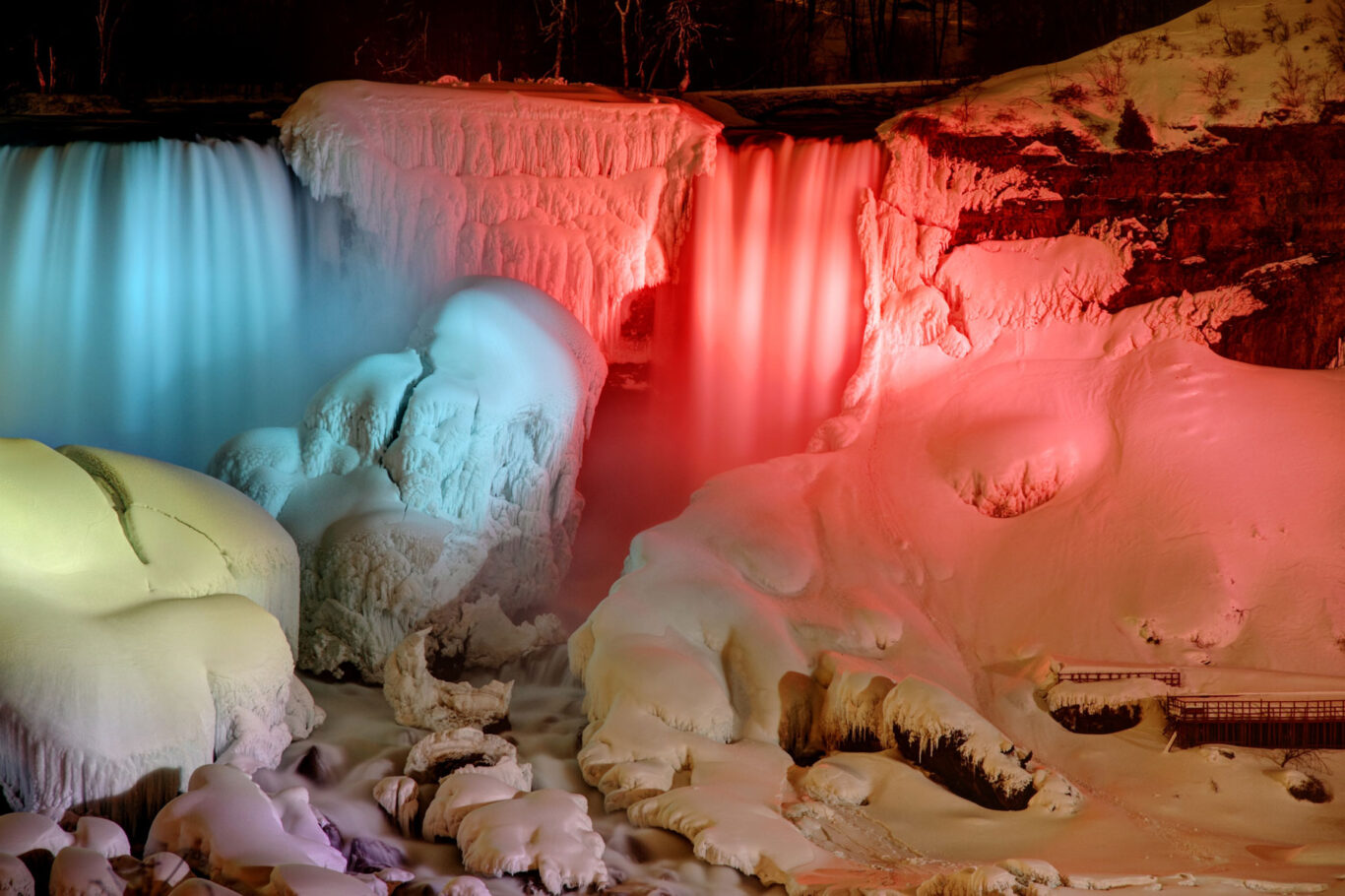
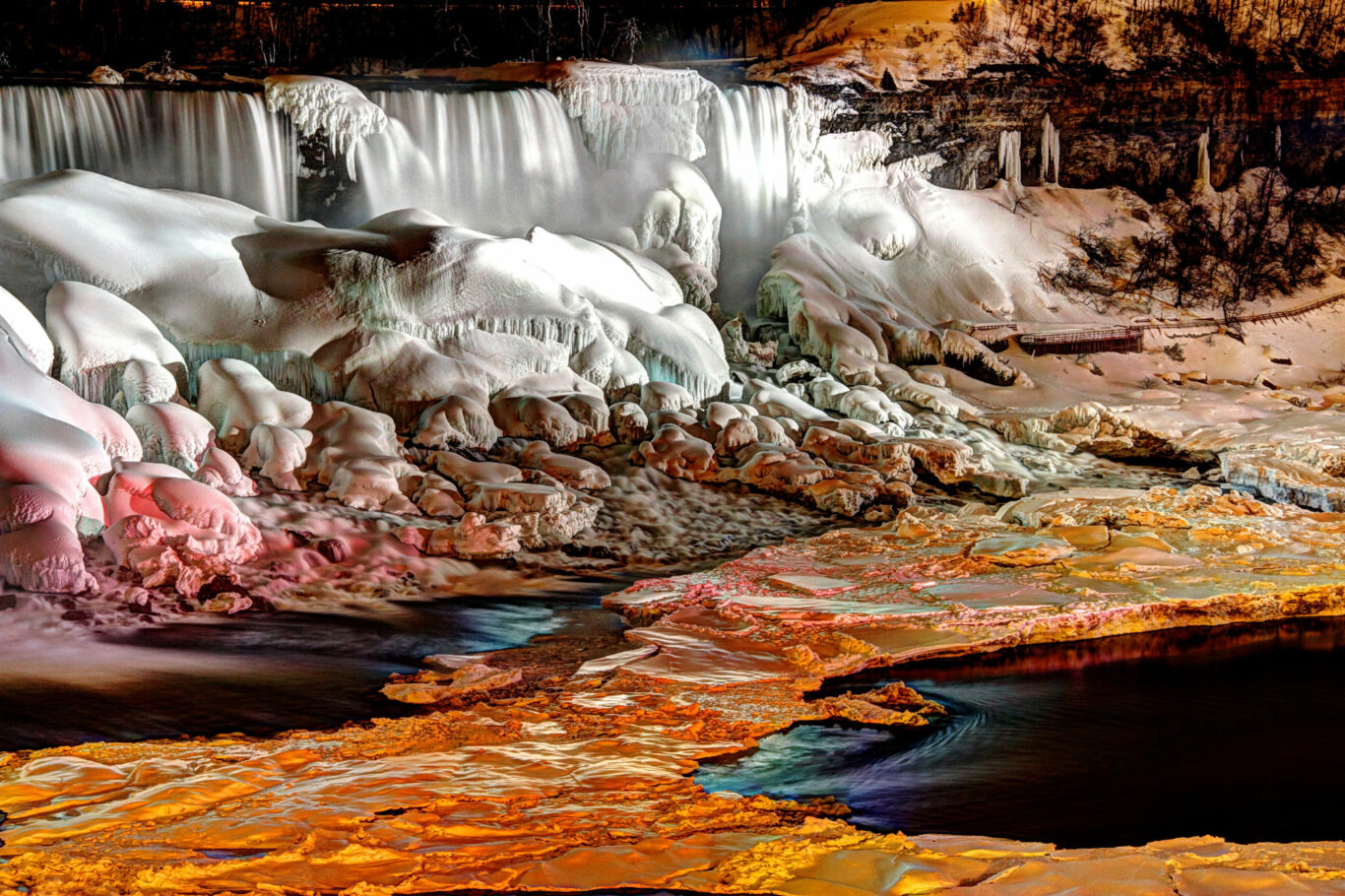
These natural elements occur year after year as part of Niagara’s cycle, drawing visitors who appreciate winter scenery alongside organized seasonal events.
Icewine Discovery Pass — Exploring Wine Country at Your Pace
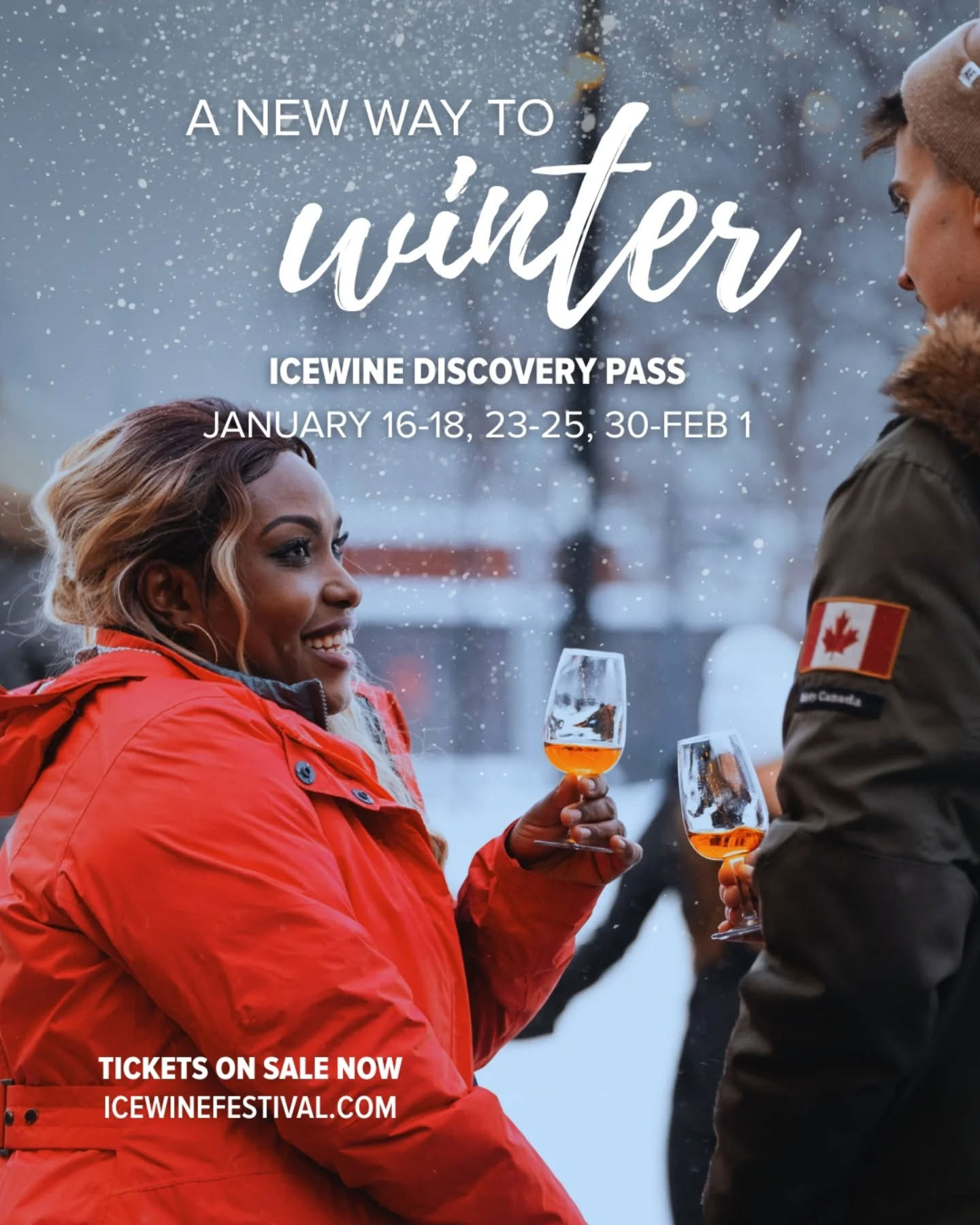
The Icewine Discovery Pass provides a structure for wine country exploration over the festival period — January 16–18, 23–25, and 30–February 1, 2026. Passes can be used at participating wineries on any day of the program and include:
- Discovery Pass: Six curated food and Icewine pairings
- Mini Pass: Three pairings for a focused experience
- Flex Friday Pass: Six pairings on Fridays
- Driver’s Passes: Non-alcoholic options with mocktails and culinary pairings
Guests plan their own routes through vineyard landscapes, stopping at chosen estates to enjoy thoughtful combinations of Icewine and food. Many pairings include detailed descriptions that address flavour profiles and any dietary considerations, supporting visitors in selecting experiences that suit their tastes.
Some wineries require reservations due to limited indoor space, and larger groups are encouraged to coordinate bookings in advance to ensure availability.
Niagara-on-the-Lake Icewine Village
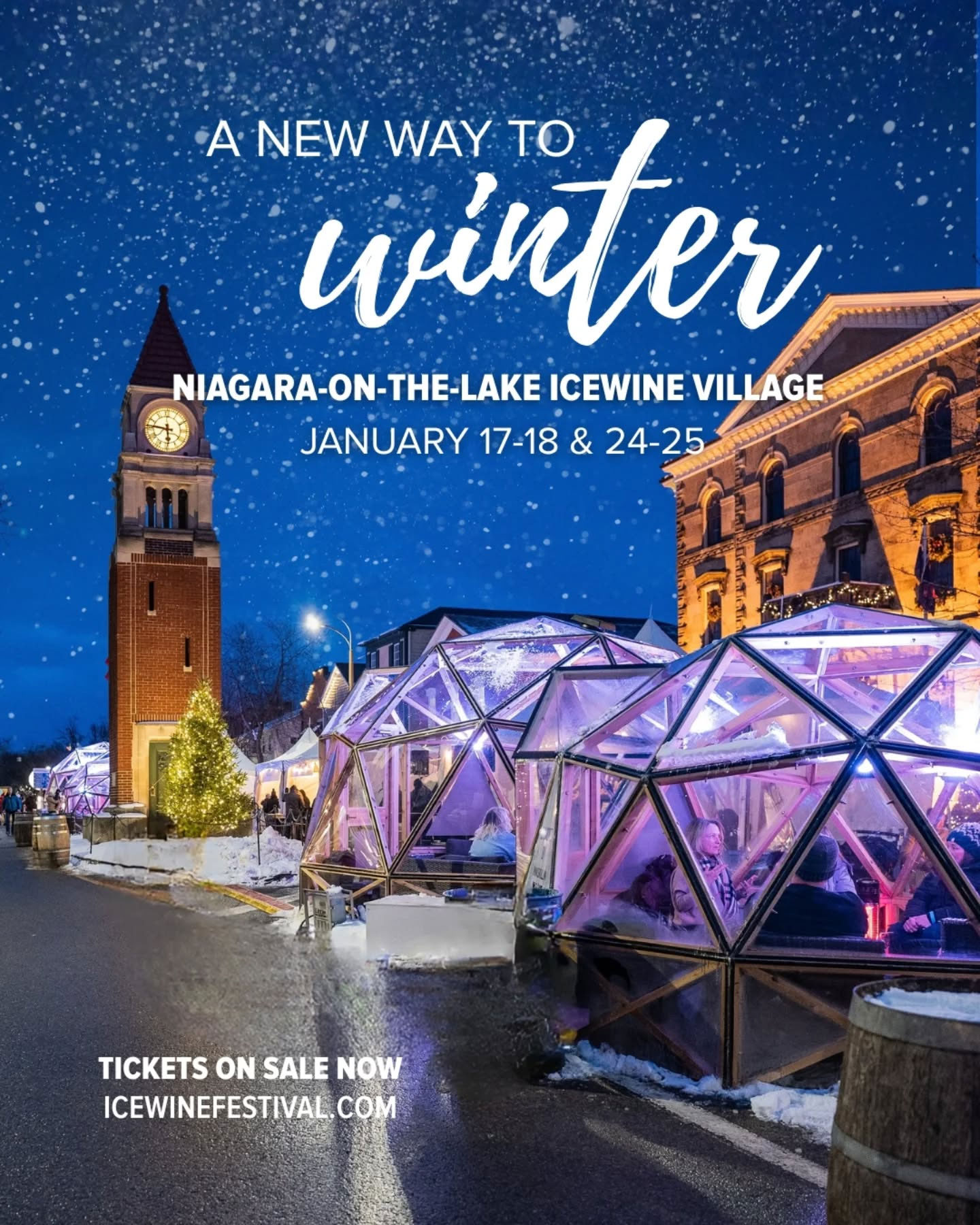
On January 17–18 and 24–25, 2026, Queen Street in Niagara-on-the-Lake becomes a winter gathering place for the Icewine Village. With free admission, the village offers Icewine tastings paired with local culinary creations, artisan vendors, fire pits, and seasonal displays.
Visitors can relax in the winter air, sample drinks and food items, and enjoy demonstrations such as ice carving. For those who prefer a warmer setting, VIP options include access to heated snow globe seating, premium tastings, and dedicated service — suitable for small groups or those seeking extra comfort.
Understanding Niagara Icewine
Icewine production in Niagara follows strict VQA standards and relies on naturally frozen grapes harvested at temperatures of at least –8°C. Vidal, Riesling, Cabernet Franc, and Cabernet Sauvignon thrive in this climate, developing intense concentration and natural acidity that defines the region’s signature style. Harvests often take place deep into winter, with crews working overnight to capture grapes at their optimal frozen state. The result is a wine prized globally for balance, complexity, and age-worthy structure.
The festival builds on this legacy by pairing Icewine with thoughtfully crafted dishes that highlight both sweetness and acidity, creating harmony rather than novelty. Each pairing reflects collaboration between winemakers and chefs who understand the nuances of cold-climate wines.
Planning a Winter Visit
Niagara’s winter offerings appeal to a broad audience, from wine enthusiasts and culinary travellers to families and outdoor photographers. Activities remain accessible in cold weather — with many events and viewing opportunities designed to embrace winter conditions rather than avoid them. With accommodations available in Niagara Falls and Niagara-on-the-Lake, travelers can create itineraries that balance Icewine exploration, scenic winter views, and entertainment suited to every interest.
Whether attending the Cool As Ice Gala, walking lookout points near the frozen river, or enjoying Clifton Hill attractions, a winter visit to Niagara delivers a range of experiences that reflect the natural beauty and cultural offerings of the region.