





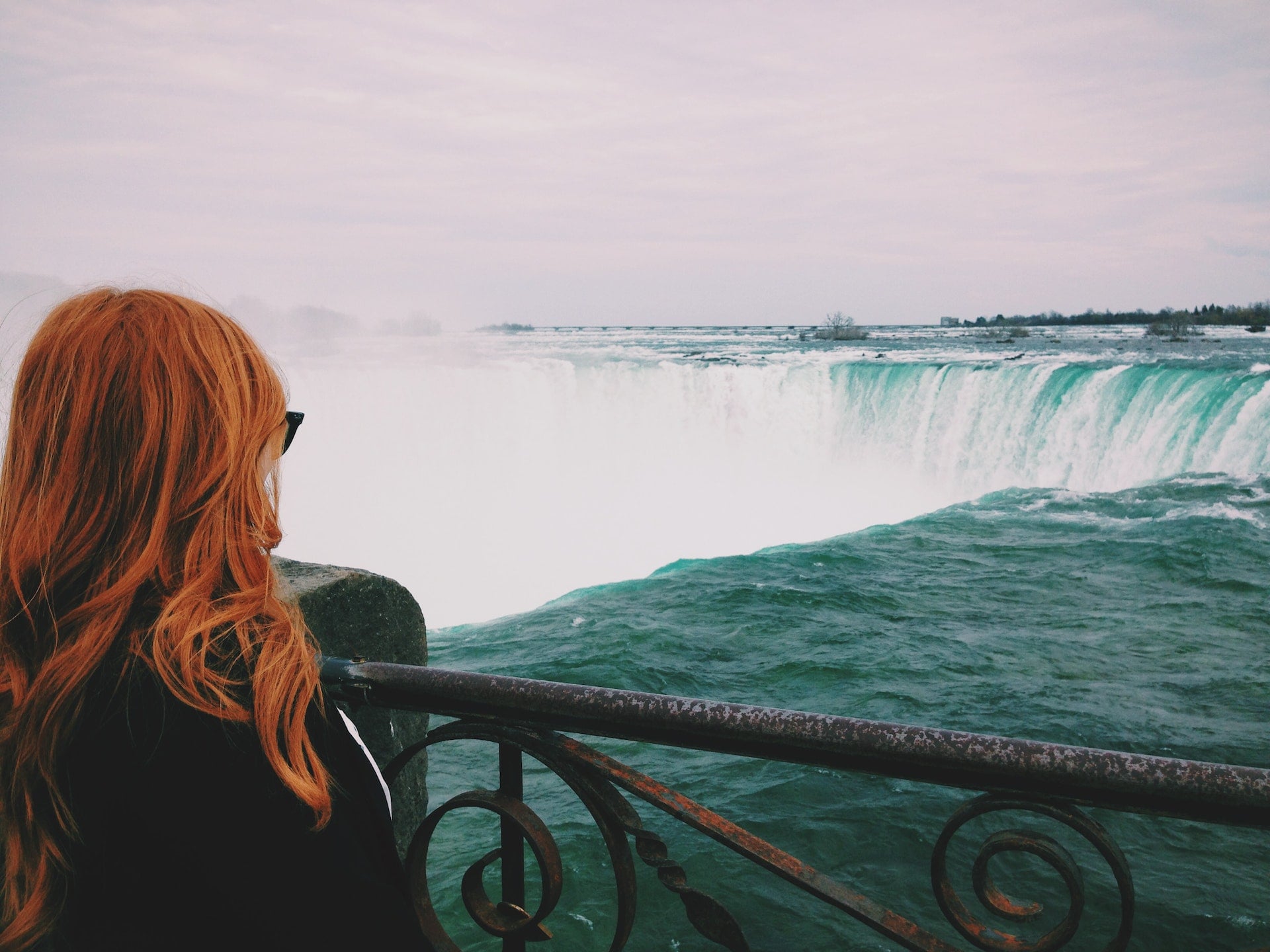


Winter reshapes Niagara Falls into a place of calm definition. Snow softens the riverbanks, bare branches reveal long sightlines, and the soundscape narrows to wind, water, and footfalls on packed paths. For travelers who value reflective movement and uncluttered scenery, the season offers a rare invitation: to walk slowly, breathe deeply, and experience one of North America’s great landscapes with clarity and space.
This guide draws on local trail knowledge, seasonal access patterns, and on-the-ground observations to help you plan winter walks that feel restorative and grounded. Each route below remains accessible through the colder months, maintained by Niagara Parks or municipal services, with viewpoints that reward steady pacing and attention.
The Niagara Parkway Recreational Trail
Best for: River panoramas, long uninterrupted walks
Running alongside the Niagara River, the Niagara Parkway Recreational Trail becomes a winter study in movement and stillness. The current stays powerful year-round, framed by ice shelves and sculpted banks. With fewer cyclists in winter, walkers enjoy a relaxed rhythm and generous space.
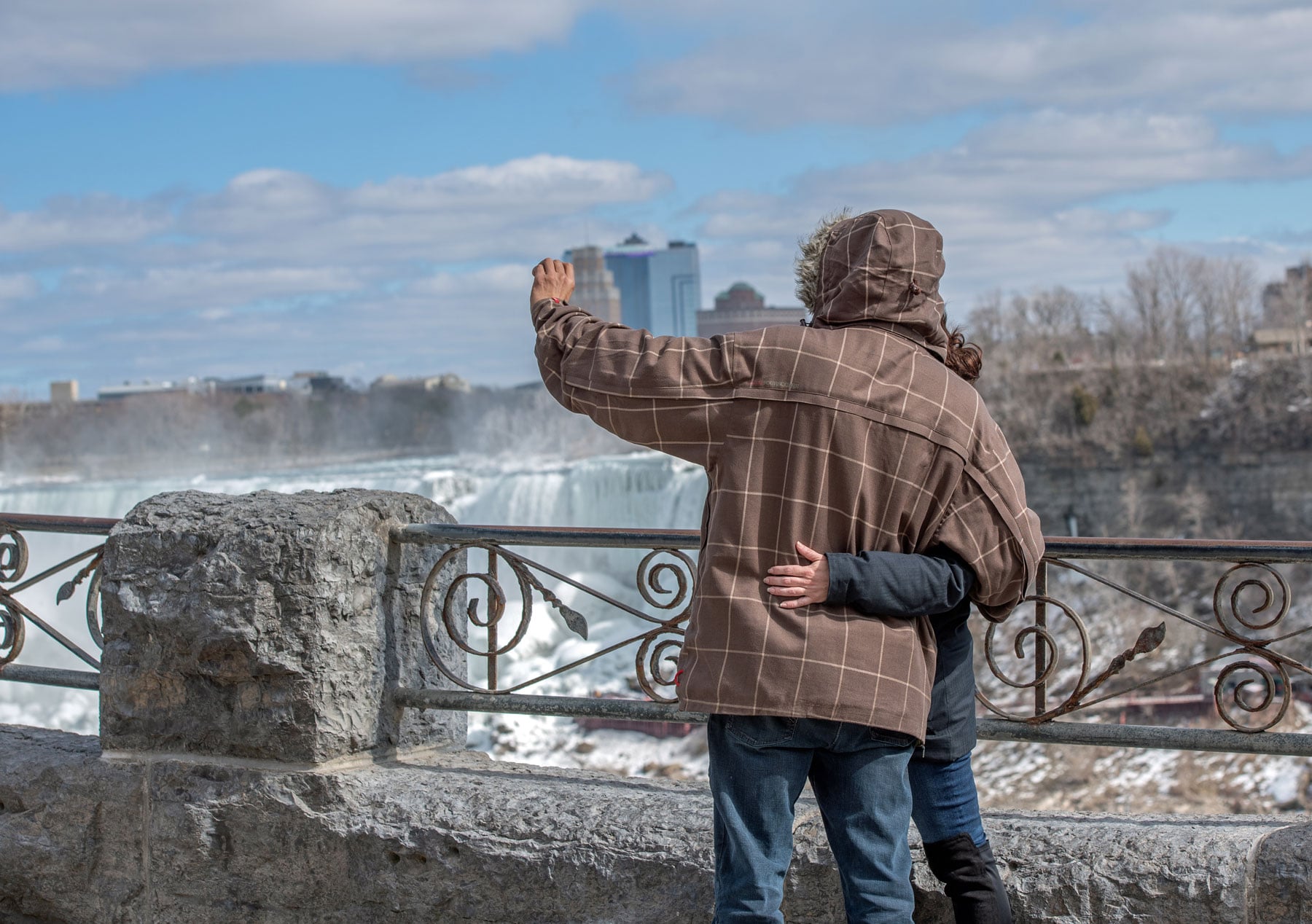
Start near Queen Victoria Park for sweeping views of the American and Horseshoe Falls, then follow the river north toward Dufferin Islands or south toward Table Rock and the Niagara Glen access points. The trail surface remains compact and walkable after snowfall, and benches appear at regular intervals.
Walking tip: Morning light highlights ice formations along the river’s edge, especially after a cold night.
Dufferin Islands Nature Area
Best for: Short loops, birdlife, quiet reflection
Dufferin Islands offers sheltered pathways across small bridges and around still lagoons. Winter strips the area to its essentials—water, trees, and sky—revealing the geometry of the islands and the soft arc of snow along the paths.
This is a favored spot for winter birding, including cardinals and waterfowl that remain active in colder temperatures. Trails are flat and well-marked, making this area approachable for all walking levels.
Walking tip: Pause at the footbridges to watch open water flowing beneath thin ice. The contrast between motion and silence defines the experience.
Niagara Glen Nature Reserve (Upper Rim Trails)
Best for: Elevated views, forest immersion
The upper rim trails at Niagara Glen stay accessible in winter and deliver a sense of depth without steep descents. From the rim, the river appears narrow and fast, cutting through ancient rock layers that show clearly once leaves have fallen.
The forest canopy opens in winter, offering long views through the trees. Snow absorbs sound here, creating an atmosphere that feels contained and meditative.
Walking tip: Wear footwear with good traction. Snow compacts quickly along shaded sections.
Whirlpool Aero Car Viewing Area & Rapids Lookouts
Best for: Dramatic scenery, short scenic pauses
The walkways near the Whirlpool Rapids provide some of the most striking winter visuals in Niagara Falls. Ice gathers along the rock walls while emerald water surges through the narrow channel. The viewing areas remain open, offering safe vantage points without requiring long hikes.
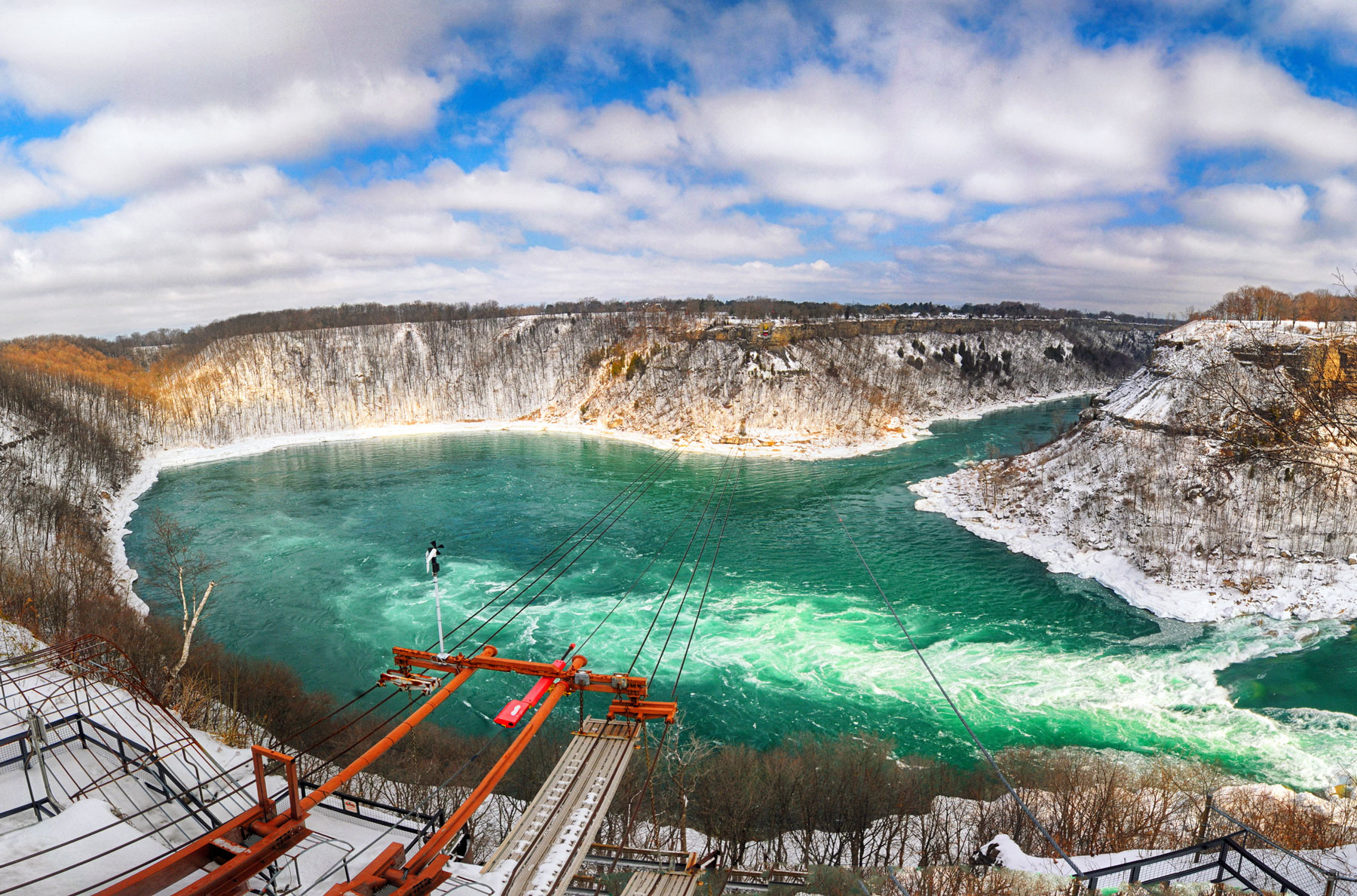
These paths suit travelers who prefer shorter walks punctuated by strong visual rewards.
Walking tip: Late afternoon light deepens the color of the rapids and highlights ice formations along the gorge walls.
Botanical Gardens & Grounds (Niagara Parks)
Best for: Gentle walking, formal landscapes
While the Butterfly Conservatory operates indoors, the surrounding Botanical Gardens remain open for winter strolling. Snow outlines hedges, pathways, and garden beds with clean definition. The grounds feel spacious and unhurried during colder months.
Paths are wide and maintained, creating an easy walk that pairs well with a longer river trail earlier in the day.
Walking tip: This area works well as a midday walk when temperatures rise slightly.
Practical Winter Walking Notes
- Dress for layering: Temperatures near the river feel cooler due to wind exposure.
- Footwear matters: Insulated, waterproof boots with grip improve comfort and safety.
- Daylight planning: Winter days shorten quickly. Start walks earlier to enjoy full light.
- Trail etiquette: Shared paths remain active. Stay to the right and remain aware of cyclists and maintenance vehicles.
Why Winter Walking in Niagara Falls Resonates
Winter reveals Niagara Falls without distraction. Landmarks appear closer, sounds sharpen, and the landscape invites thoughtful movement. These walks encourage presence rather than pace, offering travelers a way to connect with the region beyond viewpoints and schedules.
For those seeking calm exploration paired with enduring natural power, winter walking in Niagara Falls delivers a meaningful travel experience shaped by season, space, and silence.