Niagara Falls Fun!
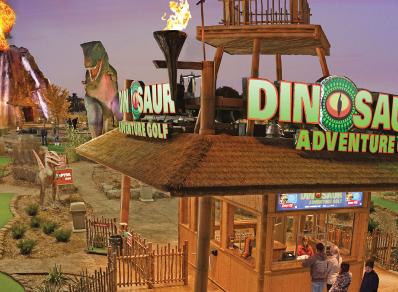
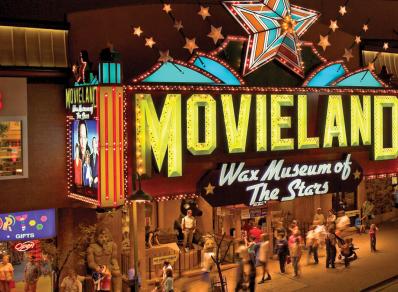
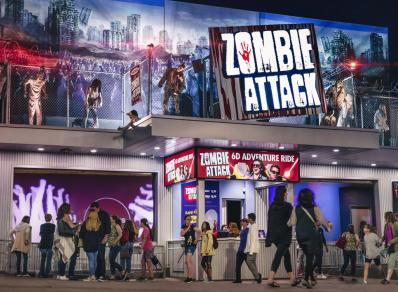
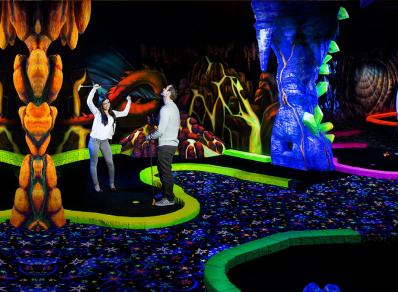
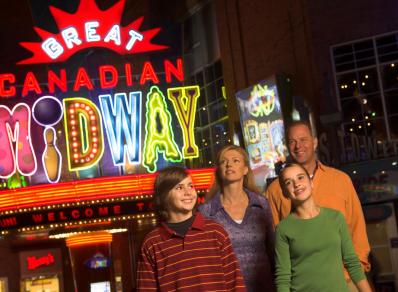
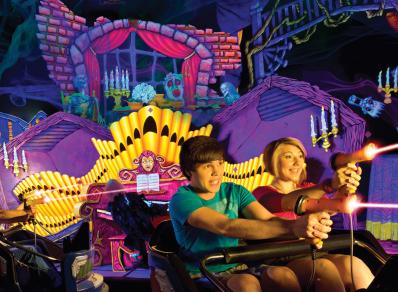
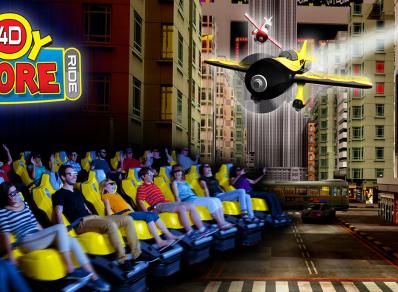
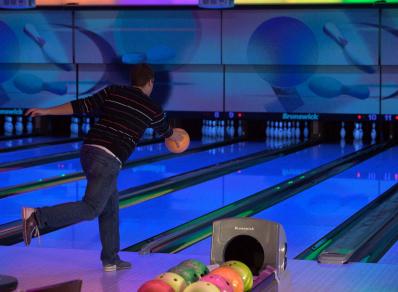
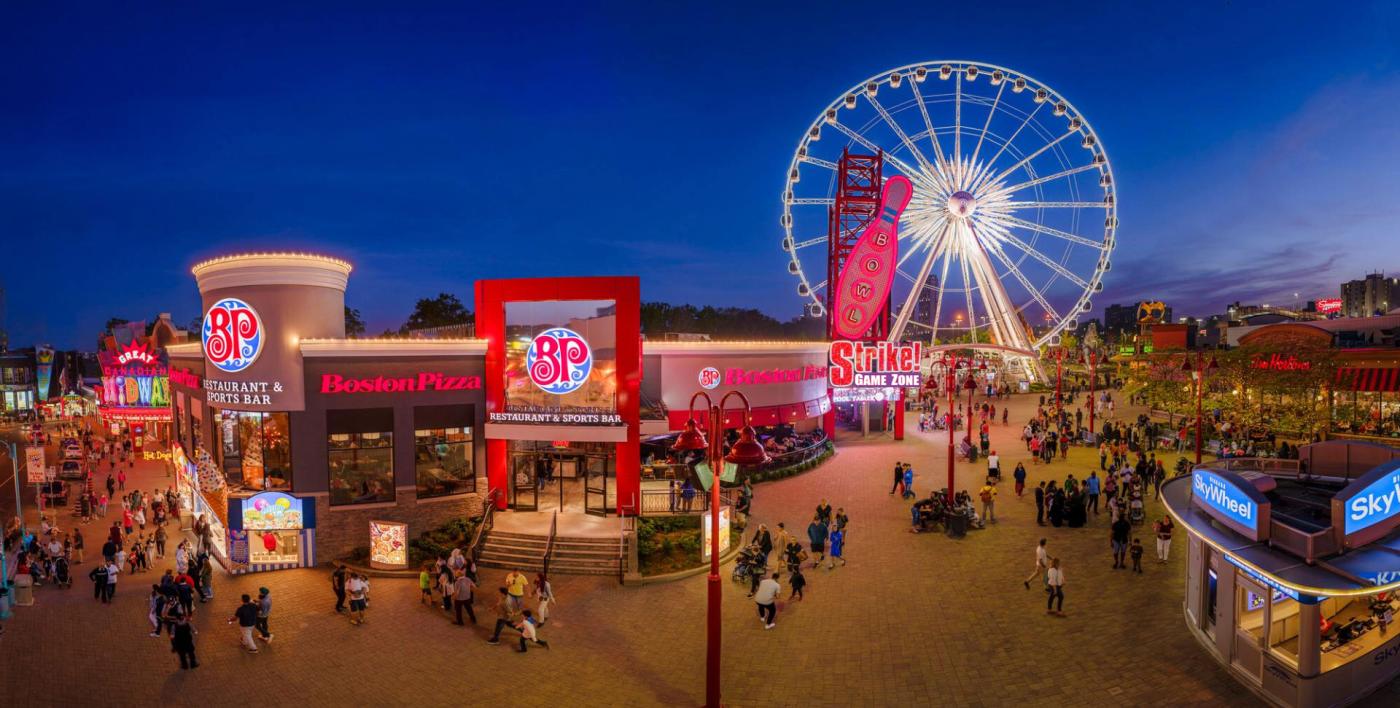
For visitors who want to enjoy all that Niagara has to offer, come to Clifton Hill: Fun by the Falls and enjoy an unforgettable experience like no other! Our wide variety of facilities makes our amusement area a great choice throughout the year in Niagara Falls!
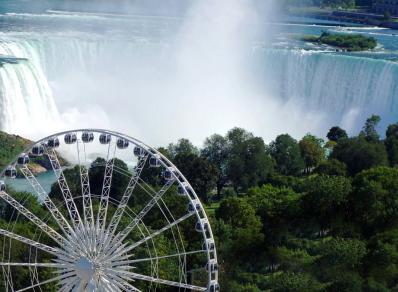
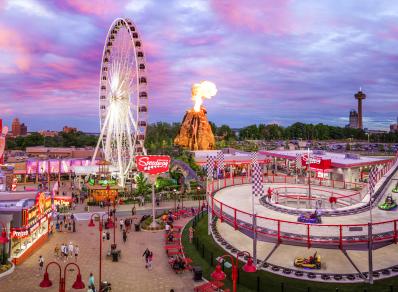
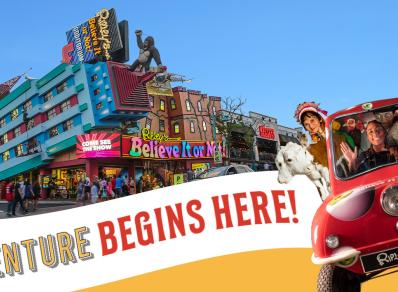
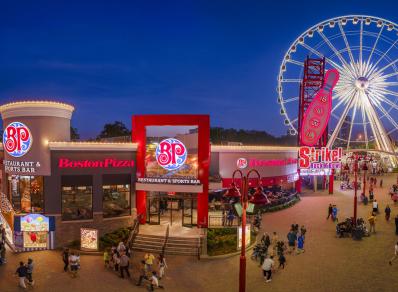
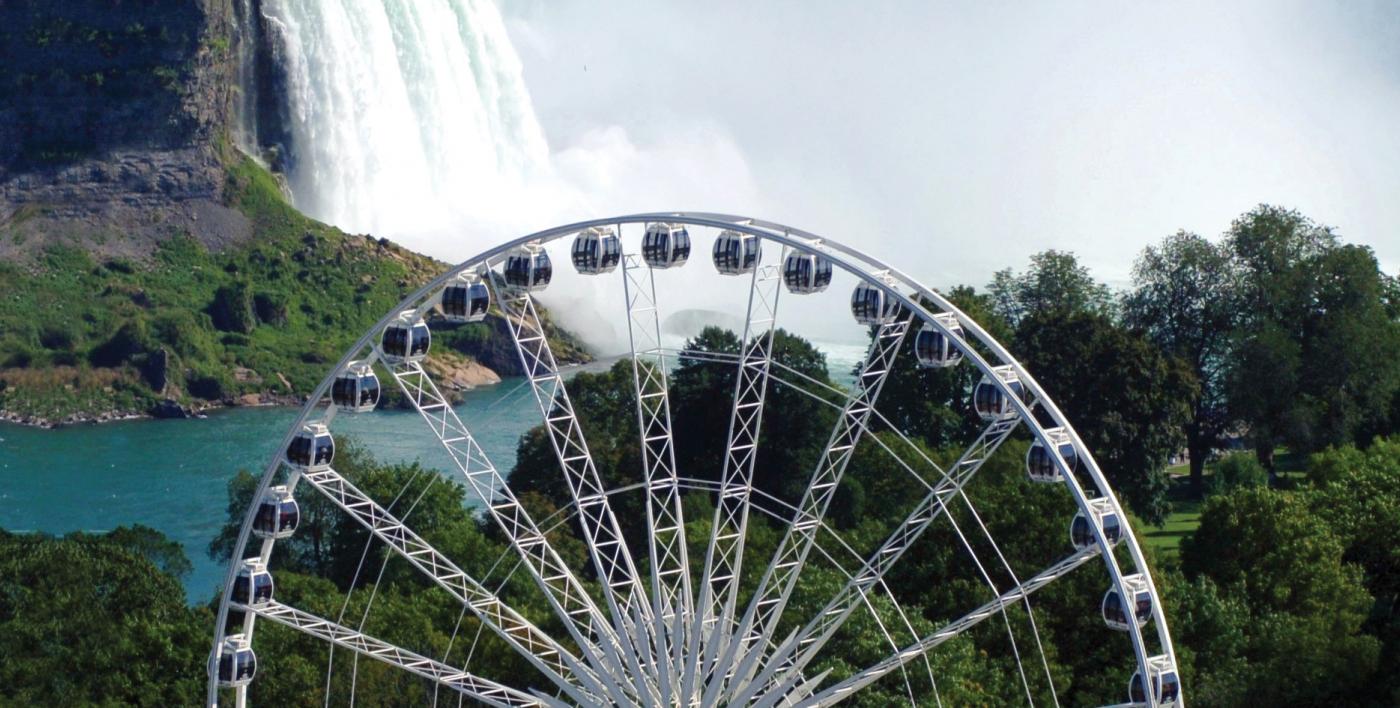
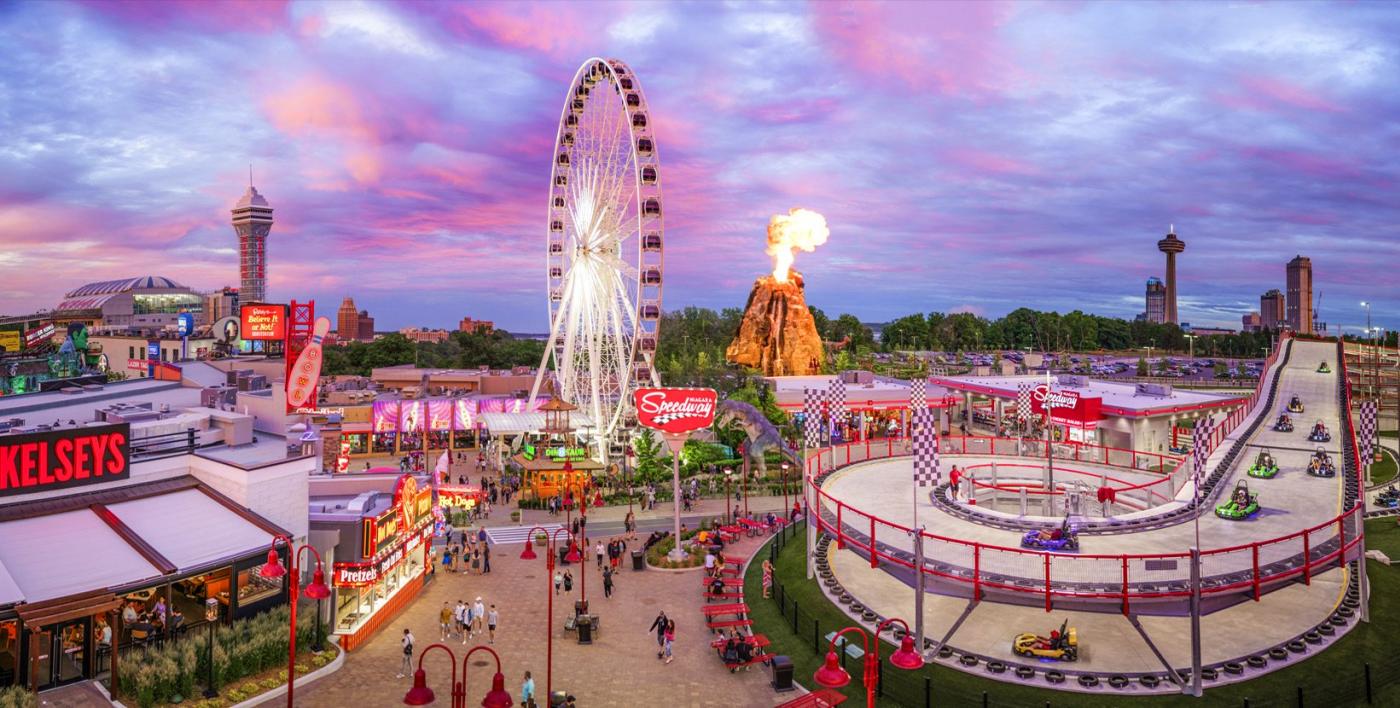
Clifton Hill is Niagara Falls top destination for attractions, restaurants, entertainment and more! Located just one block to the Horseshoe Falls along the Niagara river, the Street of Fun is a must-visit for families, couples and sightseers in North America. Clifton Hill's exciting array of attractions includes the latest and most exciting addition of the Niagara Speedway and the Niagara Skywheel, Canada's Largest Giant wheel providing you with views like no other of Niagara Falls. Also, don't forget the unforgettable Hornblower Niagara Cruises situated at the bottom of Clifton Hill, or surrounding Niagara Parks attractions on Clifton Hill featuring: Queen Victoria Park and the Oakes Garden Theatre, overlooking the Falls.
The fun on Clifton Hill doesn't end when the sun goes down; in fact for many, the excitement is just getting started! For those looking for nightlife and entertainment options, The Falls has quite a few all situated within walking distance of each other or just a short cab ride away. Boston Pizza is a long-time favourite amongst locals and tourists, and is located at the center of Clifton Hill’s entertainment scene. There is also the world famous Greg Frewin Theatre and its breath-taking "Wild Magic" show...all within the Clifton Hill tourist district.
 There are numerous events to suit everyone's interest, happening in the Niagara region. Our Events Calendar, Clifton Hill Blog, Clifton Hill Facebook page and Twitter feed or Newsletter can help direct you to what is happening on the dates you are coming to the Falls.
Clifton Hill's "Big Time" fun and excitement makes it the ideal overnight destination. Especially when situated near many top Niagara Hotels. There's over a dozen hotel choices within a block from Clifton Hill, so you’ll have no problem choosing the best one for your stay.
One visit and we are sure you'll agree – Clifton Hill offers the most "Fun by the Falls!"
The Latest News

A Parent’s Guide of FREE Things to do with Kids in Niagara
Reading Time: 9 minutes - Are you looking to plan a family getaway without breaking the bank? We totally get it – family expenses can add up, but that shouldn’t stop you from having fun! In this post, we’ve put together a list of awesome free activities you can enjoy with your kids in Niagara. After enduring a long, cold...

Stunning Spring Time Views from the Niagara SkyWheel
Reading Time: < 1 minute As the Spring Season arrives in Niagara, you’ll be treated to some of the most breathtaking Spring views from the Niagara SkyWheel. The scene that awaits is nothing short of magnificent, with the thawing Niagara river and exploding colour of fresh blossoms pushing up at the nearby Niagara Parks. Enjoy this collection of amazing Niagara...

Niagara Falls breaks GUINNESS WORLD RECORDS™ Title!
Reading Time: 2 minutes - Hey travelers, we’ve got some exciting news coming in from Niagara Falls! The City of Niagara Falls, along with Niagara Falls Tourism, has officially smashed the GUINNESS WORLD RECORDS title for the ‘Largest gathering of people dressed as the sun’ with a whopping 309 participants! Previously, the record was held by China Life Insurance Company...
Your Guide to Niagara Weekend Events
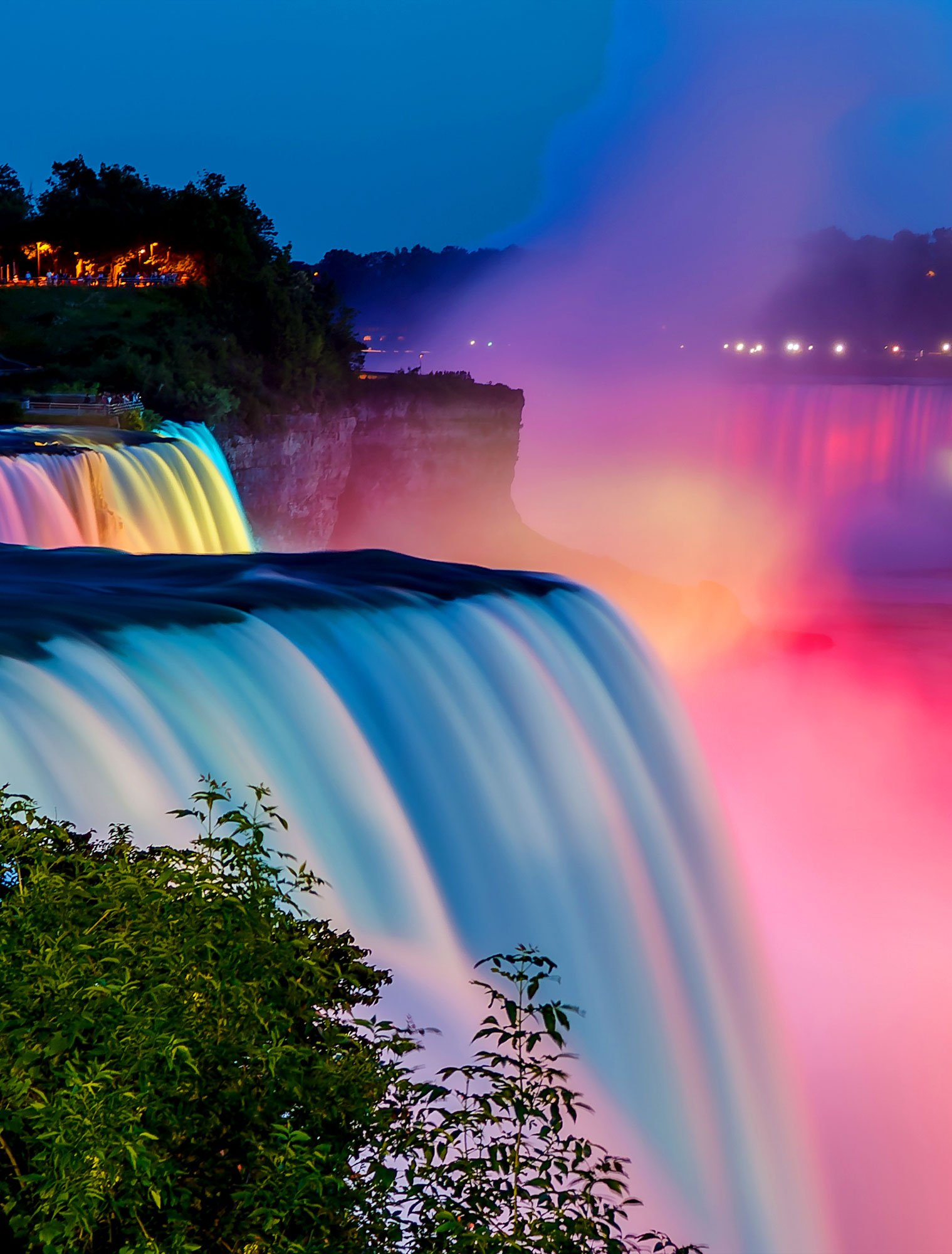
Reading Time: 4 minutes - Niagara Falls is not just a natural wonder; it’s also a hub of vibrant events and cultural experiences that enrich the senses and create lasting memories. From the captivating illumination of the falls to live performances and historical re-enactments, there’s something for everyone to enjoy in Niagara. Here’s a roundup of the must-attend events happening...